







Introduction:Indonesian coffee is renowned for its bold, low-acid profile, with Sumatra’s Mandheling being a top choice for many coffee enthusiasts. This article delves into the characteristics of Indonesia’s three major coffee-growing regions, explores how the unique wet-hulling process shapes its distinctive flavors, and provides a detailed breakdown of the flavor profiles and optimal brewing methods for Golden Mandheling, Kopi Luwak, and Java coffee—offering a comprehensive guide from tasting to brewing.
As one of the world’s key coffee-producing countries, Indonesia is celebrated for its rich, full-bodied, and low-acid coffees, particularly favored in the Japanese market. Its flavor profile often features sweet notes of caramel and dark chocolate, perfectly balanced by its low acidity. Since the Dutch introduced coffee cultivation in 1696, Indonesian coffee has undergone shifts in varieties and regional development, eventually forming three distinct flavor profiles across Sumatra, Java, and Sulawesi. This article will explore Indonesia’s coffee history, geography, major varieties, and the unique wet-hulling process, with a focus on the distinctive flavors and recommended brewing parameters of Sumatra Mandheling, Kopi Luwak, and Java coffee.
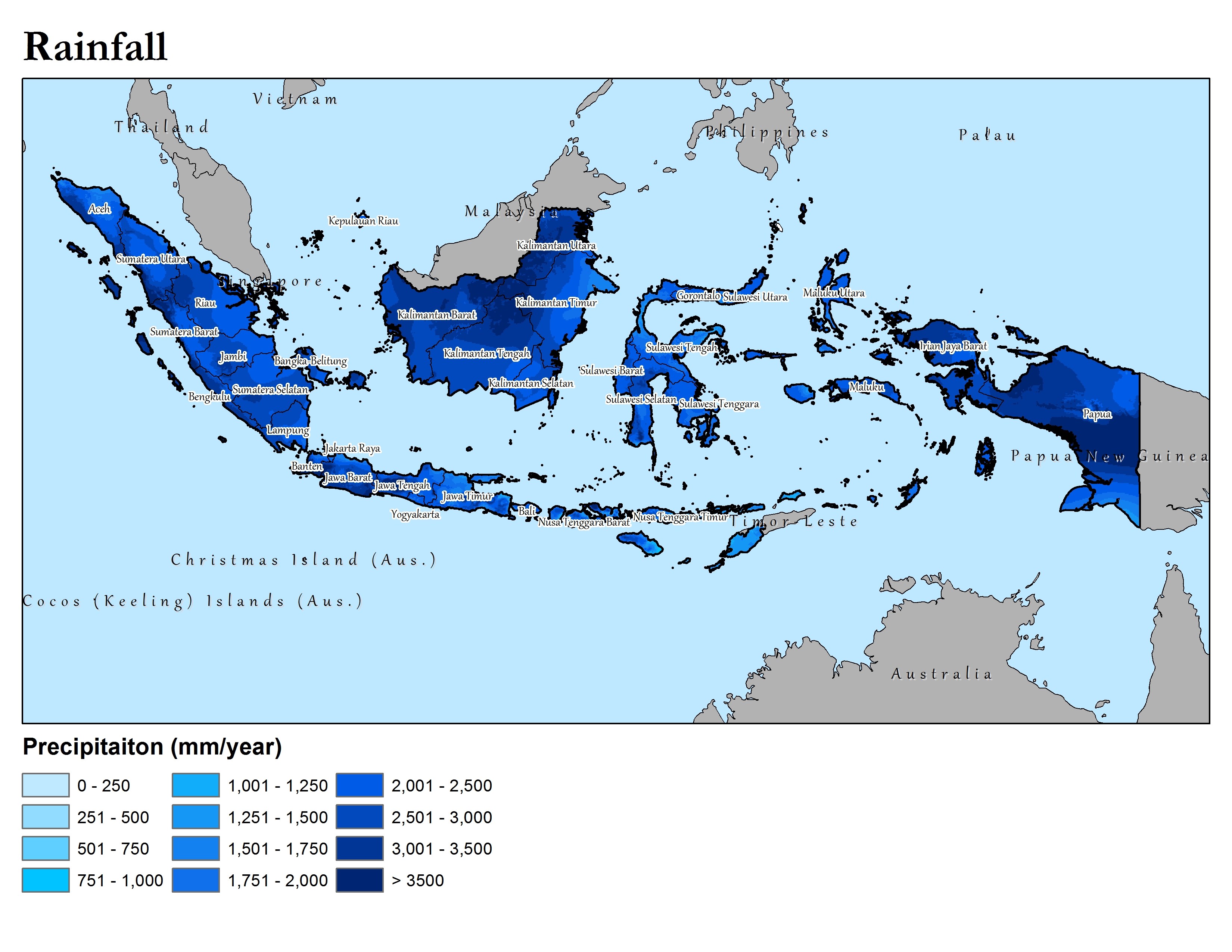
The unique flavor characteristics of Indonesian coffee are inseparable from its geographical environment. The country has a tropical rainforest climate, with temperatures consistently stable between 25–27°C year-round, no distinct seasons, and annual rainfall generally ranging from 1,600–2,200 mm. Most coffee-growing areas are located at elevations of 900–2,100 meters, with around 1,200 meters being ideal—this altitude not only allows coffee cherries to ripen slowly but also helps accumulate richer flavor compounds. Indonesia’s coffee harvests mainly occur twice a year: the main season from September to October and the secondary season from May to June. Influenced by market supply and demand as well as climatic conditions, export volumes have seen notable fluctuations in recent years, typically reflecting increased production during peak seasons.
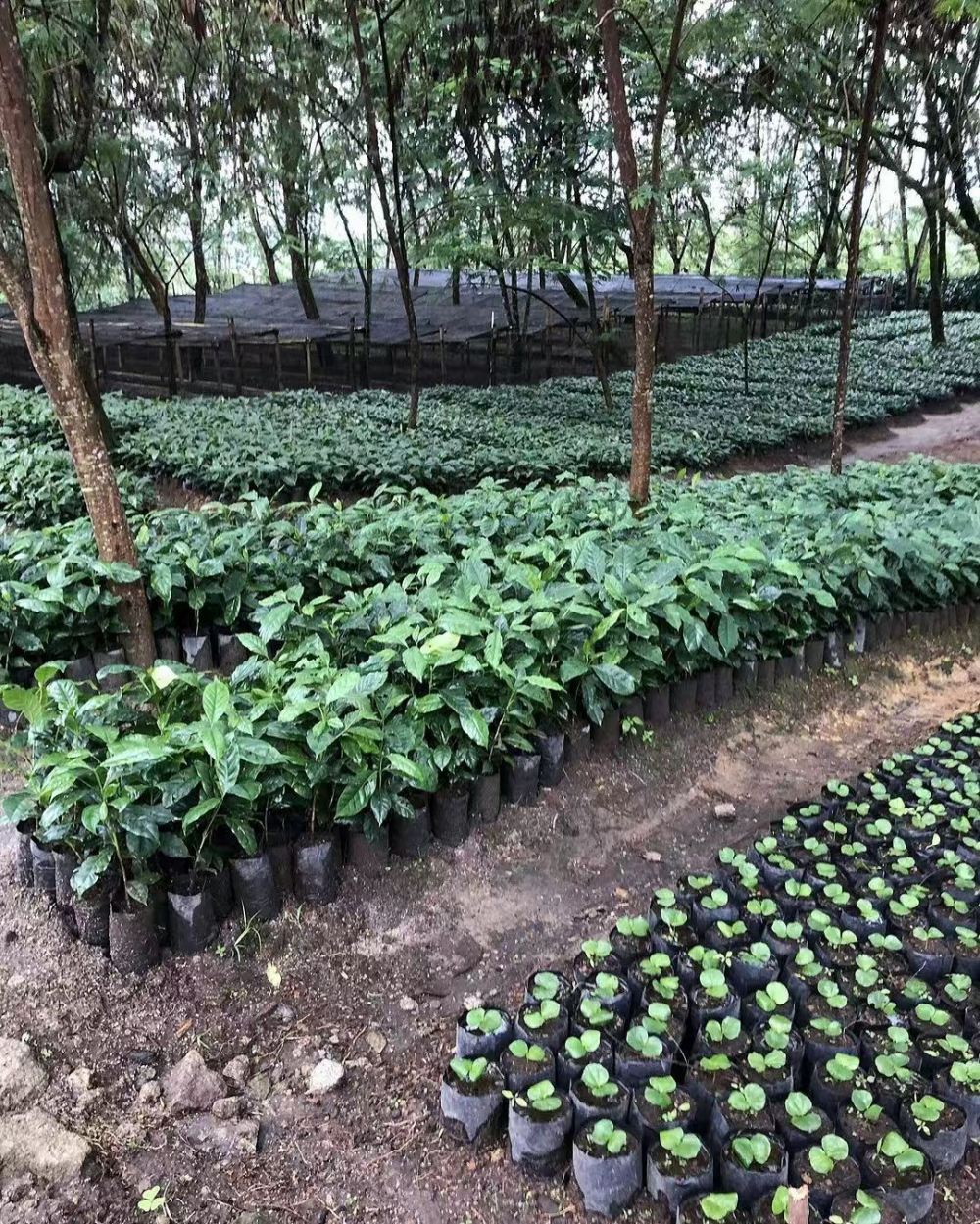
Indonesia’s coffee varieties can be divided into three main categories: Arabica, Robusta, and Liberica, with common sub-varieties including Catimor, Tim Tim, Typica, S795, and others. Currently, the country’s coffee-growing area exceeds 1 million hectares, accounting for 24% of total arable land, with approximately 2.7 billion coffee plants. Notably, over 95% of Indonesia’s coffee is produced by smallholders, most of whom practice organic farming, and 19 farmer cooperatives and exporters have obtained international organic certification. This small-scale farm-based production model also contributes to the diversity and complexity of Indonesian coffee flavors.
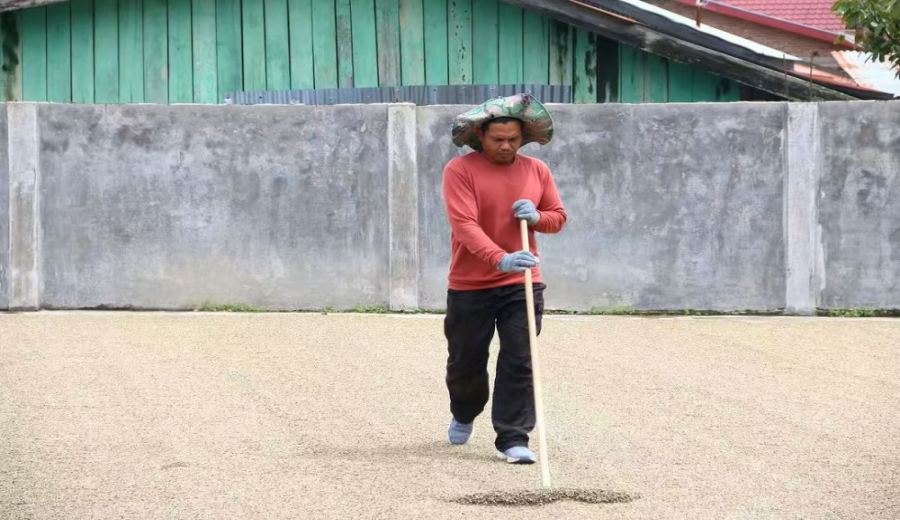
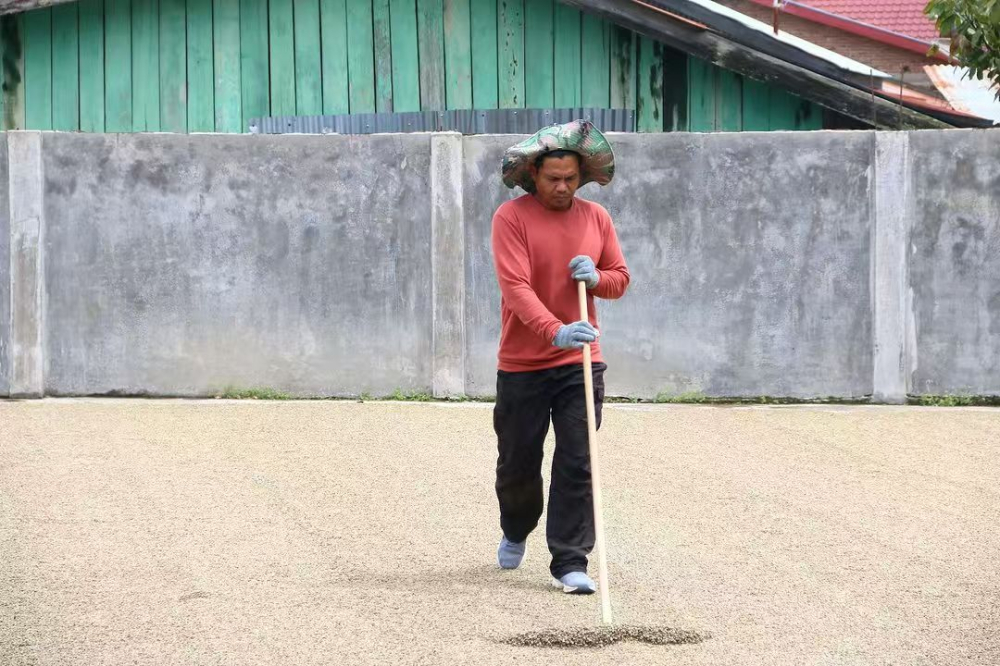
When it comes to Indonesian coffee, one cannot overlook its most iconic “wet-hulling process” (locally called giling basah). This method differs from typical washed or natural processes: after harvesting, the coffee cherries are first depulped and undergo brief initial drying, but the moisture content is reduced to only about 30%, far lower than the 11–12% of standard washed methods. The parchment and mucilage layers are then removed, exposing the green beans directly, which are further dried to a moisture level suitable for storage. This semi-washed process results in coffee with lower acidity, significantly enhanced body, and unique complex undertones such as earthy, spicy, and tobacco notes, often described as resembling unsweetened dark chocolate.
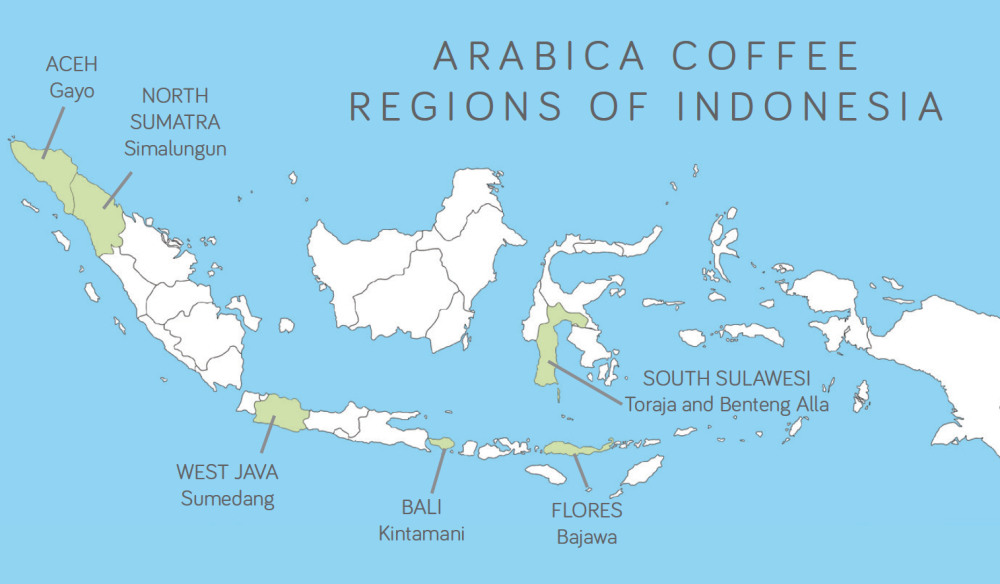
Sumatra is Indonesia’s most representative coffee-growing region, and its most famous offering is undoubtedly Mandheling. Mandheling is primarily grown around Lake Toba in northern Sumatra and can be subdivided into Golden Mandheling, Lintong Mandheling, and Aged Mandheling. Lintong Mandheling showcases classic herbal and earthy flavors; Golden Mandheling, rigorously selected for uniform bean size (mostly above 18 mesh) and undergoes multiple rounds of hand-picking (at least four times), offers a cleaner, more refined cup with pronounced body and sweetness, while its herbal and earthy notes are less pronounced—making it ideal for coffee lovers who prefer low-acid, richly flavored brews. Aged Mandheling, due to its special post-harvest processing and aging, develops a bolder, more intense flavor but has a relatively higher taste threshold. Taking Golden Mandheling as an example, its flavor profile often includes layers of nuts, chocolate, spices, caramel, and herbs. It is recommended to use a Kono filter for pour over, with water temperature controlled at 86°C, a 1:15 coffee-to-water ratio, and a grind size around 11 on the EK43s grinder (medium-coarse). Specifically, start with a 30-second bloom using 30 grams of water, followed by a first pour to 125 grams with a slow stream, then continue pouring to 225 grams as the water level nears the bed. The total extraction time is around 2 minutes, effectively highlighting its rich body and sweet characteristics.
Additionally, when discussing Indonesian coffee, one cannot ignore the unique “Kopi Luwak.” The beans used in this coffee are actually Robusta beans that have been fermented in the digestive tract of civets after consumption and then excreted. Since civets prefer ripe, high-sugar coffee cherries and their unique proteolytic enzymes break down long-chain proteins into short-chain peptides and amino acids, the resulting coffee boasts distinctive herbal aromas and an exceptionally rich body. However, the production method of this coffee remains controversial, involving issues such as animal welfare and quality control. For brewing, a Kono filter is recommended, with water temperature set at 86°C, a 1:15 coffee-to-water ratio, and a medium-coarse grind. Begin with a 30-second bloom using 30 grams of water, then pour to 125 grams and 225 grams in stages, keeping the total brew time around 2 minutes—this approach highlights its unique fermented aroma and rich foundation.
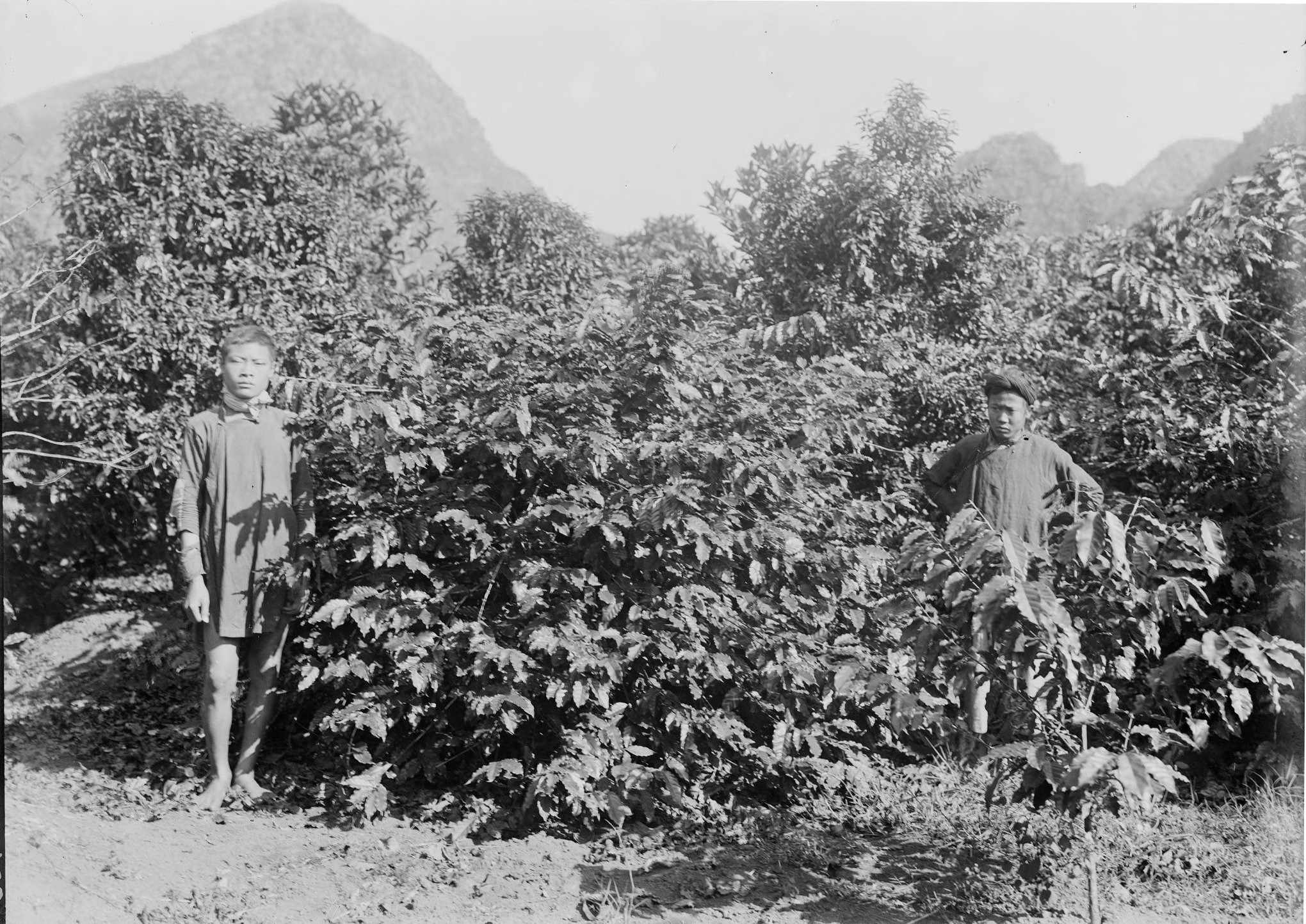
Finally, Java Island in central Indonesia is another important coffee-growing region. Its coffee is known for its delicate aromatics, low acidity, and balanced mouthfeel, often featuring fruity notes such as mango, red wine, peach juice, and plum, with a clean, slightly sweet finish. Western Java, particularly West Java Province, is home to numerous state-owned and private high-altitude estates, typically planted above 1,400 meters, with nutrient-rich volcanic soil contributing to its unique flavor profile. It is recommended to use a V60 filter for brewing, with a slightly higher water temperature of 90°C, a 1:15 coffee-to-water ratio, and a medium-fine grind (around 10 on the EK43s grinder). As with other methods, begin with a 30-second bloom using 30 grams of water, then pour to 125 grams and 225 grams in stages, maintaining a total extraction time of 2 minutes—this effectively brings out its fruity and fresh layers.
The above content is compiled by CoffeeHunters, a coffee news website.


