







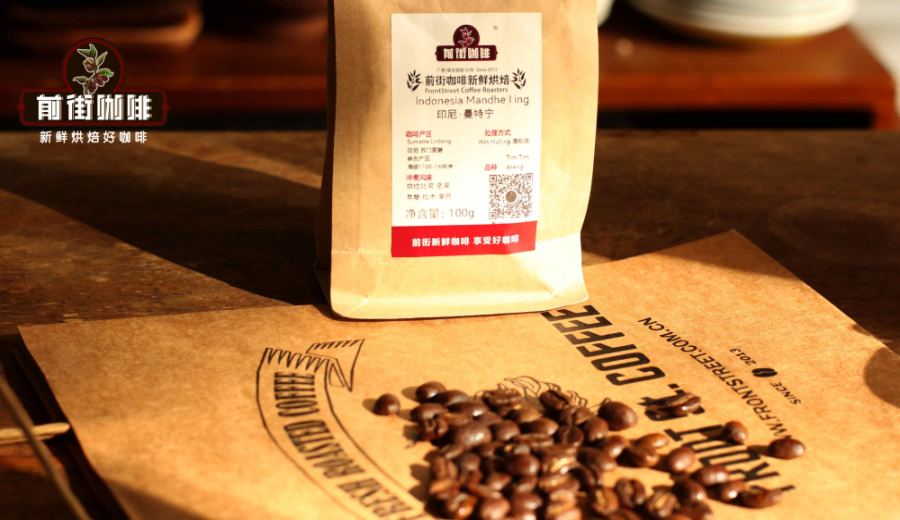
Introduction:Mandheling coffee is renowned for its full body and low acidity, making it a top choice for those who prefer less acidic brews. This Arabica bean from Sumatra, Indonesia, processed via the wet-hulling method, exhibits unique herbal and woody aromas. This article delves into the origin and flavor profile of Mandheling, and details PWN’s rigorous selection standards for "Golden Mandheling"—from the 19-screen size to triple manual sorting—offering insight into how this classic bean evolves from defect screening to become a preferred choice for pour over enthusiasts.
In the lineage of Asian specialty coffee, Mandheling from Sumatra, Indonesia, has always held an irreplaceable position. This low-acid, full-bodied, and richly herbal Arabica coffee is not only a common starting point for many coffee beginners, but also a classic choice for seasoned coffee lovers seeking a deep and stable flavor. Especially the Golden Mandheling carefully selected by PWN Company, due to its almost stringent defect bean screening process, has become a widely recognized high-quality representative in the market.
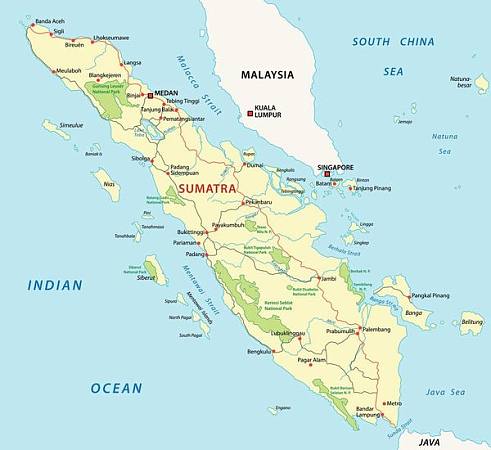
The fame of Mandheling can be traced back earliest to Sumatra Island in Indonesia—the world’s sixth-largest island, which, though surrounded by oceans, boasts the Barisan Mountain Range stretching across the entire landmass. Mount Kerinci in the central range, with an elevation of 3,800 meters, is an active volcano that brings rich minerals and a unique microclimate to the surrounding coffee-growing regions. It is under such geographical conditions that Mandheling coffee, with its distinctive sandalwood and herbal notes, is cultivated.
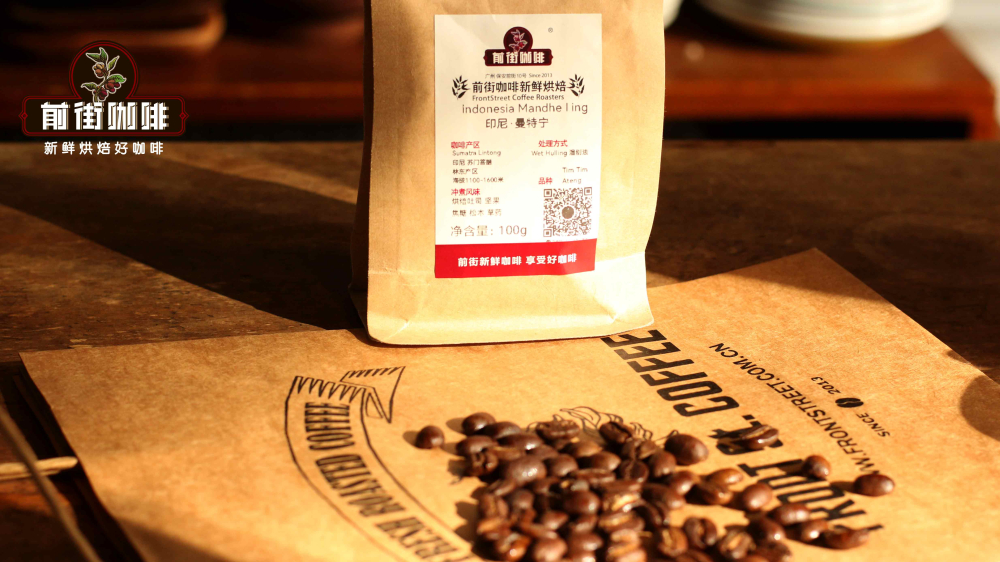
Many people mistakenly believe that Mandheling is the name of a place, but it is actually a synonym for Indonesian coffee culture. It originated from a Dutch merchant referring to the local "Mandheling" ethnic group of growers, and later became the generic name for this coffee. Compared to the bright-flavored African beans, Mandheling is known for its full body, low acidity, and layered soil and spice notes, making it particularly suitable for drinkers who prefer bold flavors. Traditionally, many believed Mandheling was more favored by men, but in recent years, an increasing number of female consumers have also grown to love this deep and nuanced coffee.
True Mandheling originates from the foothills of the Bukit Barisan Mountains in northern Sumatra, in the Mandailing region. It belongs to the Arabica species, with common varieties such as Ateng. Its flavor profile is characterized by low acidity and high body, often accompanied by herbal, smoky, and woody tones. The wet-hulling processing further enhances these features. Golden Mandheling, on the other hand, is selected and processed under stricter criteria than regular Mandheling, resulting in a cleaner, more balanced, and more distinctly layered cup.
PWN (Pawani Nusantara Medan) is the holder of the "Golden Mandheling" trademark. This Indonesian company, founded in 1957, is not only the first local supplier to export Sumatran coffee to international markets, but also a key player in successfully promoting Mandheling to the Japanese market. Since 1977, PWN has focused on exporting high-quality Sumatran Arabica Mandheling (Grade 1) and Robusta (AP-I Grade 2), with its products mainly sold to Japan, Chinese Taipei, and the United States. The Japanese and Taiwanese markets account for over 95% of its sales, where "PWN" is almost synonymous with a "guarantee of quality."
The so-called "Golden Mandheling" is not a coffee grading term, but a registered trademark exclusive to PWN. This series of coffee adheres strictly to a series of high-standard selection procedures: First, all coffee beans must meet the 19-screen (approximately 8 mm) standard size, belonging to the highest-grade G1 level. The beans are plump, uniformly sized, dark green in color, and are typically flat beans (not peaberries). Next, each batch undergoes initial mechanical screening, followed by triple manual sorting by experienced workers to ensure that no more than three defective beans are found in any 300-gram sample of green beans. Such a strict selection system makes Golden Mandheling far superior in quality to the general commercially available Mandheling.
The imported PWN Golden Mandheling is sourced from the Gayo Highlands in Aceh Province, Sumatra, with planting altitudes ranging between 1,100 and 1,600 meters. As a high-altitude slow-ripening bean, it aids in flavor development. The variety is Ateng, and the processing method employs Sumatra’s unique wet-hulling technique—removing the parchment layer before the beans are fully dried, accelerating the drying process, and contributing to Mandheling’s characteristic full body and low acidity.
After medium-dark roasting, this coffee exhibits intense aromas of chocolate, caramel, spices, and herbs, with a full body and layered flavors. Upon tasting, you can feel a smooth mouthfeel and a lasting aftertaste. It is not only suitable for drinkers who enjoy dark roast profiles, but also, due to its stable flavor and minimal impurities, serves as an ideal practice bean for pour over enthusiasts. Moreover, whether using drip bags, French press, siphon, or even moka pot and home espresso machines, it can showcase its unique aroma and full-bodied taste, making it highly suitable as a base bean for single-origin SOE extraction as well.
In summary, Mandheling is not just a representative of Asian coffee, but also an important item that cannot be overlooked in global specialty coffee. From the mountainous climates of Sumatra, to PWN’s stringent quality control, to the diverse brewing methods, this classic coffee meets the needs of everyone from beginners to advanced enthusiasts. In particular, Golden Mandheling is an unmissable choice for those who demand high coffee quality.
The above content is compiled by CoffeeHunters, a coffee news website.


