








Introduction:Yunnan is China’s largest coffee-producing region, accounting for over 90% of the country’s total output. This article delves into the cultivation evolution of Yunnan’s small-grain coffee, analyzes the flavor differences between major varieties such as Catimor and Typica, and combines real planting cases to explore how sun-dried processing and medium roasting can bring out unique taste profiles. It also provides practical insights into the industrial advantages and challenges of Yunnan coffee, helping you fully grasp the potential and characteristics of this emerging coffee region.
As the core coffee-producing area in China, Yunnan supplies over 90% of the nation’s coffee beans and serves as an important base for the development of specialty coffee domestically. From the introduction of the first coffee plants by French missionaries in 1904 to the commercial cultivation of rust-resistant Catimor varieties driven by Nestlé in 1989, Yunnan coffee has gradually established its position in the Chinese market. Today, Yunnan’s coffee-growing area covers approximately 90,000 hectares, with an annual output of 100,000 metric tons, making it almost synonymous with Chinese coffee.
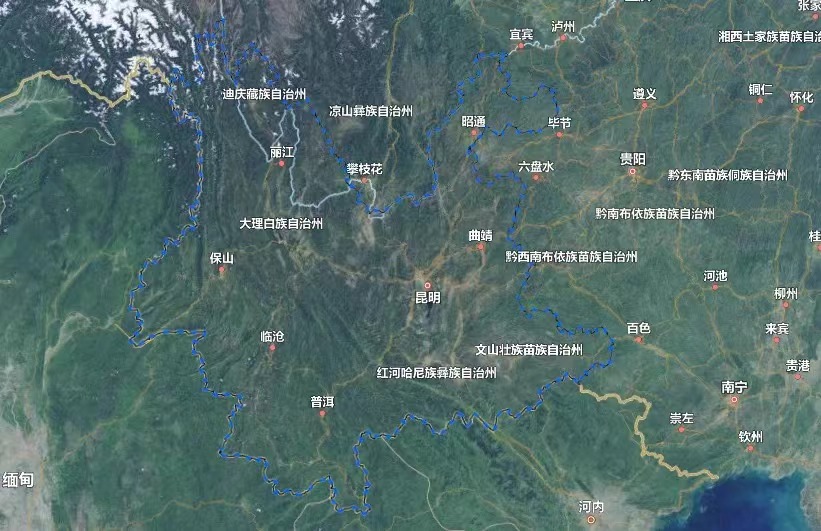
Located in southwestern China, bordering Myanmar, Laos, and Vietnam, Yunnan enjoys superior geographical conditions. Most of the region lies at elevations between 800 and 1,850 meters, featuring significant day-night temperature variations and abundant rainfall—creating a natural environment conducive to growing high-quality Arabica. However, in reality, most coffee farms are situated at around 1,000 meters above sea level, just meeting the minimum elevation threshold for high-quality cultivation. Major producing areas include Pu’er, Baoshan, Lincang, and Xishuangbanna, which are also current hotspots for specialty coffee exploration.
The main Arabica varieties currently planted in Yunnan are Catimor and Typica. Among them, Catimor has become the market mainstream due to its disease resistance and high yield, often regarded as the representative of “Yunnan small-grain coffee.” This variety has Robusta lineage, and while its flavor is less refined than that of pure Arabica, it is well-suited for large-scale commercial use. In contrast, Typica beans are smaller in size and were referred to as “small-grain coffee” in earlier years. Although it was once a major variety in early Yunnan cultivation, it has gradually been replaced by Catimor, which better meets commercial demand due to its higher yields.
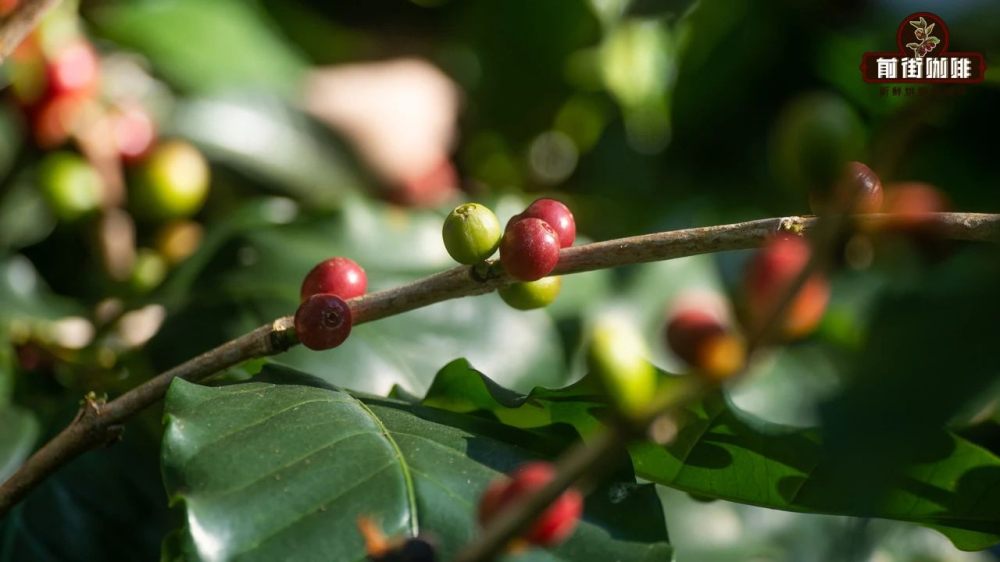
To explore flavor potential, the first batch of Typica—named “2013”—was planted in Yunnan as early as 2016, using the sun-dried processing method to enhance sweetness and compensate for flavor limitations caused by insufficient elevation in certain areas. It was later sent to Guangdong for medium roasting, resulting in a pronounced fruity aroma with a vibrant plum acidity and a brown sugar-like sweetness in the aftertaste. The flavor profile is rich and contrasts with the more common nutty and chocolatey notes.
For brewing suggestions, consider the following parameters: Use a V60 filter, set the water temperature to 91°C, and maintain a coffee-to-water ratio of 1:15 with 15 grams of coffee. The grind size should be around 75% passing through a 20-mesh Chinese standard sieve. The specific pour-over technique involves blooming with twice the amount of water by coffee weight, then pouring in small streams in circular motions from the center outward. When the water level is about to expose the coffee bed, continue pouring until the total water volume is reached, with a total extraction time of approximately two minutes.
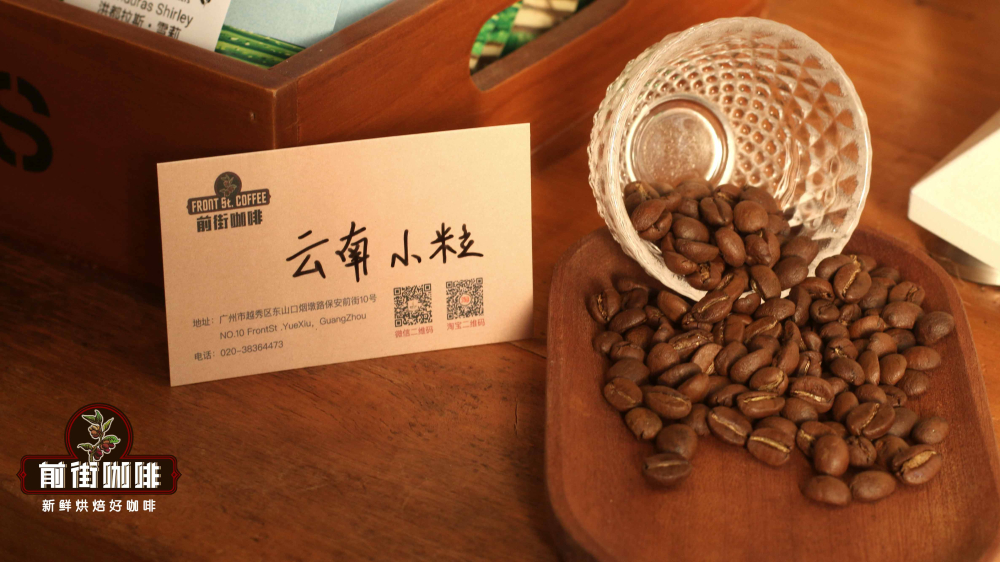
In actual tasting, sun-dried Catimor typically exhibits dominant nutty and chocolatey notes, with a rich and balanced body and subtle acidity—making it suitable for consumers who prefer stable flavors. Meanwhile, the planted Typica offers a distinct juiciness with herbal aromas interwoven throughout, a bright acidic finish, and an overall more layered profile, with clear transitions from apricot to citrus notes.
For users of home coffee machines, the recommended Black Cocoa blend, combining Yunnan Arabica with Brazilian Red Bourbon, is also worth considering. It’s ideal for making espresso, often delivering aromas of cream, nuts, chocolate, and caramel, along with a balanced sweet-tart profile reminiscent of plums—a friendly choice for beginners and everyday drinkers.
The advantages of Yunnan coffee lie in its proximity to consumer markets, ensuring high freshness and short delivery cycles. Additionally, some washed specialty batches can showcase unique flavors like berries. Moreover, the region continuously experiments with new processing methods and techniques, enhancing flavor diversity and contributing to the potential of single-origin coffees. At the same time, commercial-grade Yunnan beans are relatively affordable, offering cost advantages.
However, Yunnan coffee also faces several challenges, including a concentration of varieties leading to relatively monotonous flavor profiles, higher production costs for some high-quality products resulting in weaker price competitiveness, and limited domestic market awareness of Yunnan coffee, which affects consumption popularity. Furthermore, the regional brand image is still under development. Standardization in cultivation and post-harvest processing remains a key area for ongoing improvement.
The above content is compiled by CoffeeHunters, a coffee news website.


