







Introduction:Iced pour over coffee is a popular choice in summer, but the timing of adding ice can make a huge difference to the flavor you experience. This article compares two methods—adding ice before brewing and adding ice after brewing—through practical testing. We delve into operational steps, temperature changes, and flavor differences to explore which method better highlights the layered profile of coffee, and provide useful tips to help you find your optimal brewing approach.
On a hot summer day, a refreshing glass of iced pour over coffee can be a delightful surprise. However, many coffee enthusiasts may not realize that the timing of adding ice—whether you place the ice in the server before brewing or add it after the coffee has finished dripping—can significantly impact the final flavor. In this test, we used high-quality Golden Label Geisha as an example, simulating real brewing conditions with a water temperature of 93°C, while strictly controlling other variables and only changing the order in which the ice was added. We conducted a comprehensive comparison from operation to flavor perception.

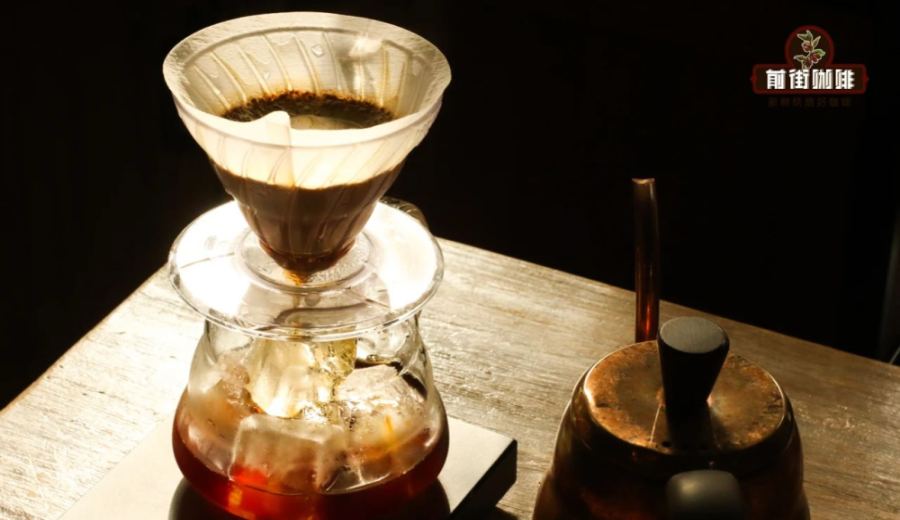
First, let’s understand the difference between the two common methods of adding ice. “Adding ice first” means placing the ice in the server according to the desired ratio before starting the brew, then placing the filter cone on top to begin dripping. The advantage of this method is that the coffee liquid cools rapidly as it drips, helping preserve the clarity of acidity and aroma. On the other hand, “adding ice later” involves completing the entire pour over process first, allowing the coffee to drip into an empty server at a higher temperature, and then adding the ice afterward to cool it down. This method tends to enhance the richness and sweetness of the flavors.

In our test, we selected Golden Label Geisha, known for its stable quality and rich flavor expression. The brewing parameters were uniformly set to a water temperature of 93°C, with other factors such as the coffee-to-water ratio, grind size, and brew time kept as consistent as possible. The only variable was the timing of ice addition. The results showed that immediately after extraction, the “ice first” group exhibited more pronounced citrus notes and an oolong tea-like finish, with a bright and layered acidity. Meanwhile, the “ice later” group showcased a richer citrus juice character and honey-like sweetness, with an overall rounder and fuller mouthfeel. However, after the coffee was left to sit for about five minutes, the differences between the two gradually diminished, and the flavors began to balance out.
It’s worth noting that the “ice first” method, as the coffee liquid cools continuously during dripping, can effectively suppress over-extraction and reduce the release of unwanted compounds. This makes it a better choice for those seeking a bright and clean flavor profile. In contrast, the “ice later” method allows the coffee to fully extract its flavor compounds at a higher temperature due to the initial hot drip. It is more suitable for those who prefer a bold, sweet cup. Additionally, if using the ice later method, it’s recommended to stir gently after adding the ice to ensure even temperature distribution and avoid localized over-chilling that could affect taste.
In practice, no matter which method you choose, it’s advisable to pre-calculate the amount of ice needed—typically around one-third to one-half of the server’s capacity. This ensures the coffee reaches an ideal drinking temperature after cooling, usually between 5–10°C. Furthermore, using purified water and freshly roasted coffee beans are also key factors that shouldn’t be overlooked in achieving the final flavor.
In summary, adding ice before or after brewing each leads to distinct flavor profiles, suiting different taste preferences among coffee lovers. If you prefer a bright, acidic, and layered flavor, try adding ice first. If you lean toward a rich, sweet, and full-bodied cup, adding ice later might be more to your liking. Through this test, we hope to help you discover your own ideal iced pour over formula and enjoy every refined sip of summer coffee.

The above content is compiled by CoffeeHunters, a coffee news website.


