







Introduction:The degree of coffee roasting not only affects flavor expression but is also key to determining the success of extraction. This article provides an in-depth analysis of the internationally recognized eight-level roasting classification system. Through Agtron color values, drop timing, and typical flavor profiles, it helps readers discern the actual roast level of commercially available beans. It also offers recommended grind sizes and water temperatures for different roast levels, enabling you to precisely control extraction conditions at home and fully showcase the optimal flavor potential of your coffee beans.
When walking into a café or browsing online stores, you often see packages labeled with terms like “light roast,” “medium-dark roast,” or even “cinnamon roast.” However, these names can represent vastly different roasting intensities in different regions. In fact, the global coffee industry has long lacked a unified classification standard for roast levels, leading to confusion among consumers. To address this issue, the Specialty Coffee Association of America collaborated with Agtron to establish a numerical grading system based on infrared caramelization measurement technology.
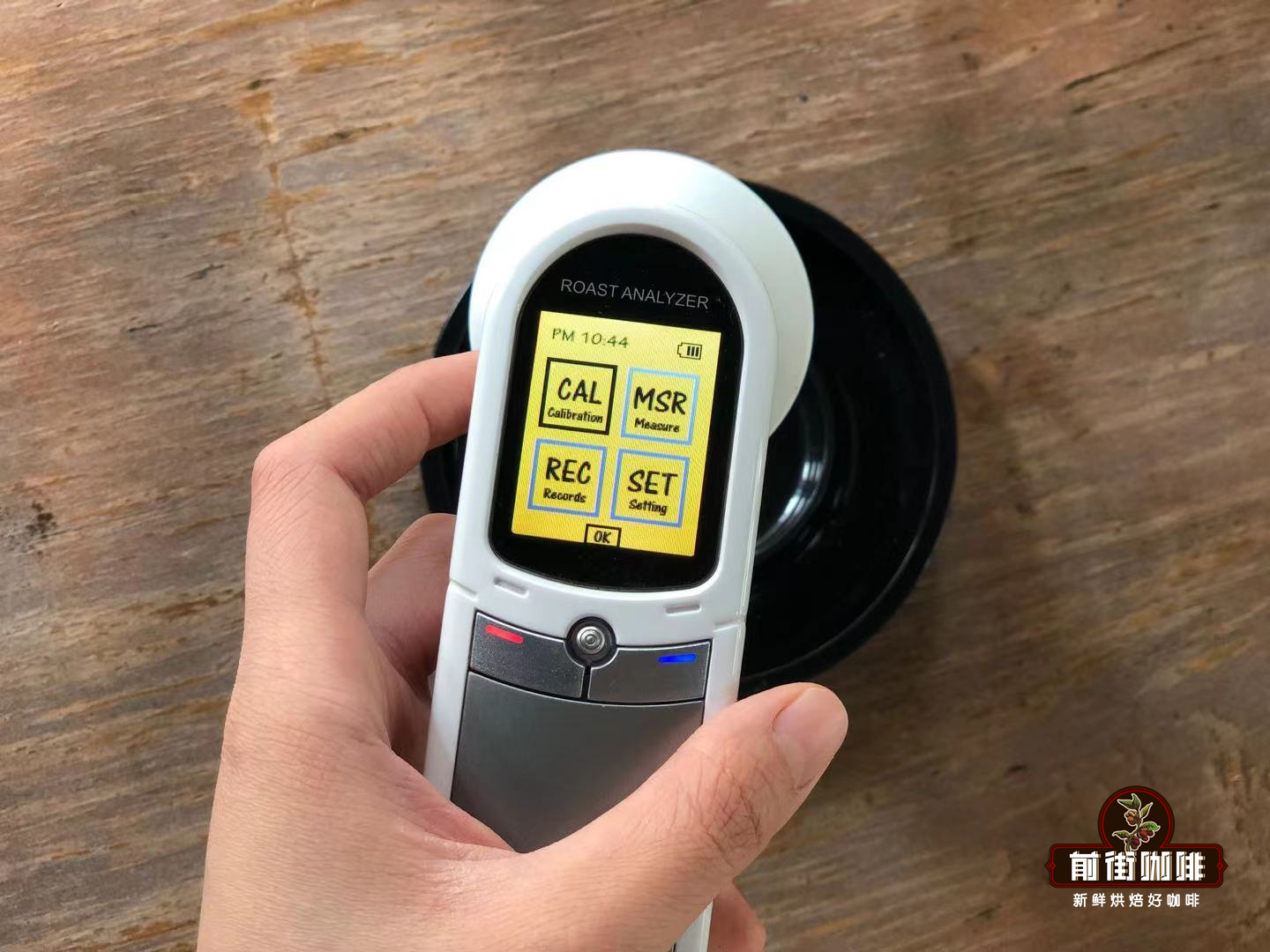
This system divides the roasting process into eight distinct stages, with each level corresponding to a specific range of Agtron color values. This standard not only provides an objective color reference but also clearly indicates the typical flavor characteristics and suitable brewing methods for each stage. From lightly processed beans with bright fruit acidity and floral notes to deeply roasted beans showcasing rich caramel and chocolate tones, consumers can choose the roast level that best matches their personal preferences.
In traditional classifications, what is commonly referred to as “light roast” typically refers to the stage when beans are dropped just before the end of the first crack. At this point, the beans exhibit a light brown color, with an Agtron color value of around #95. This type of roast preserves the original brightness of the coffee’s fruit acidity and delicate aromas, making it particularly well-suited for highlighting the unique flavors of beans from African regions such as Ethiopia or Kenya. The subsequent “cinnamon roast” (color value #85), dropped at the end of the first crack, although named after a traditional roasting term, actually falls within the deeper range of the light roast category.
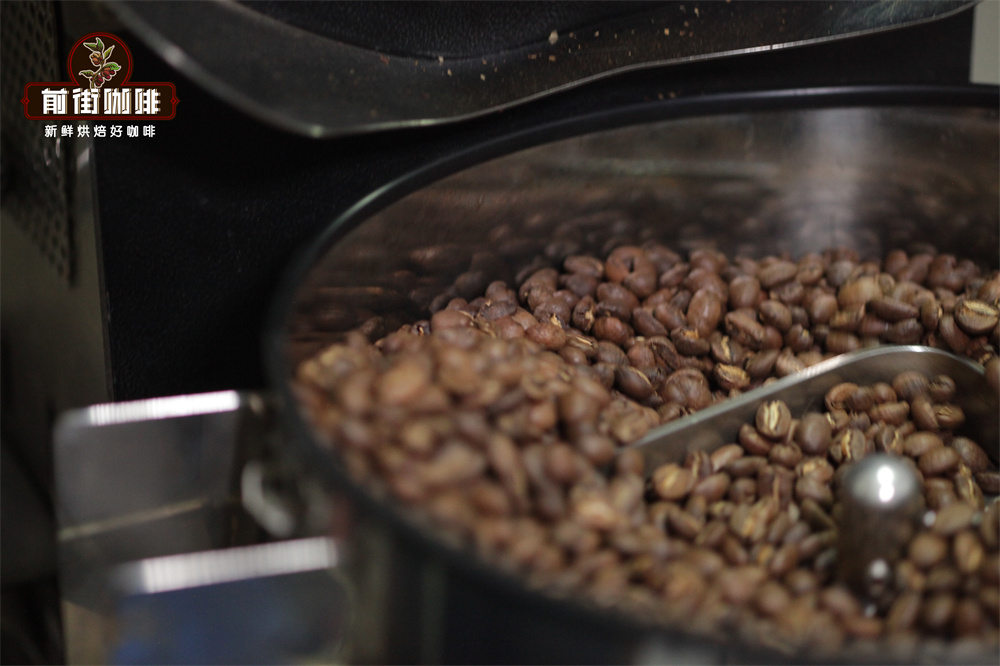
Moving into the medium roast range (color value #75–#65), coffee beans begin to display a more balanced sweetness and flavor structure. Dropping the beans after the first crack enhances the caramelization reaction, imparting a distinct nutty tone and fuller body to the beverage. The medium-dark roast levels, namely “city roast” (color value #55) and “full city roast” (color value #45), are dropped at the beginning and denser phase of the second crack, respectively. At this stage, the beans turn dark brown, acidity significantly decreases, but rich caramel and spice flavors are retained.
For those who prefer a stronger flavor profile, the dark roast series offers a more intense tasting experience. “French roast” (color value #35), dropped during the dense phase of the second crack, gives the coffee strong smoky and chocolate characteristics. The ultimate “espresso roast” (color value #25) is not stopped until oils begin to seep out of the bean surface, and this roast level is primarily used for making espresso.
When the purchased coffee beans do not clearly indicate the roast level, preliminary judgment can be made through flavor descriptions. Products labeled with citrus, berries, or bright floral notes usually fall within the medium-light roast range. If the flavor profile is dominated by nuts and caramel, it mostly falls within the medium to medium-dark range. Products emphasizing chocolate, cocoa, or low acidity often belong to the medium-dark or darker roast levels. While this method of interpretation is not absolutely precise, it can effectively help consumers establish a basic framework for understanding roast levels.
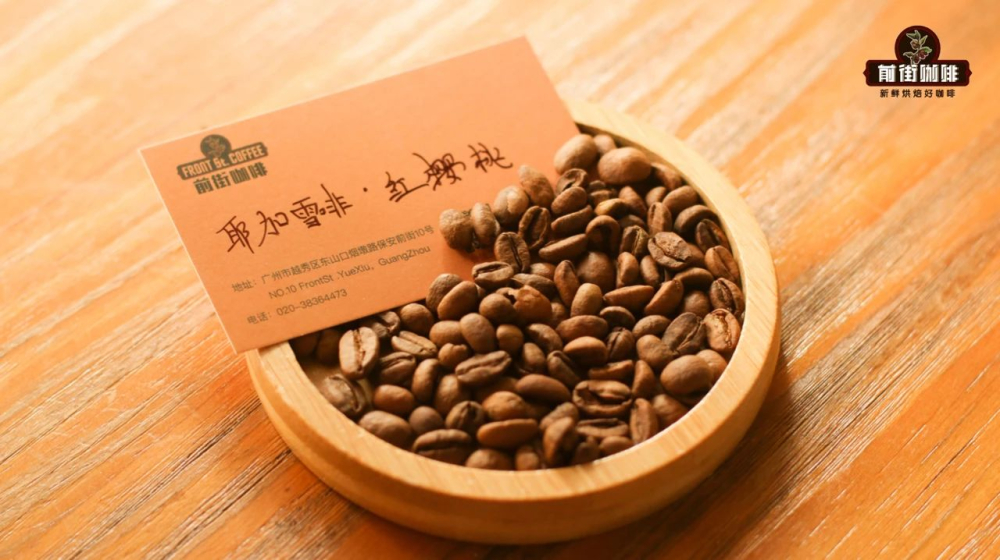
During actual brewing, coffee beans of different roast levels require differentiated parameter settings. For medium-light to medium roast beans (Agtron #95–#65), it is recommended to use a medium-fine grind (approximately 75–80% passing through a #20 sieve) paired with a water temperature of 90–92°C. This combination can fully bring out the acidity and aroma layers while maintaining a full-bodied mouthfeel. When switching to medium-dark roasts (Agtron #55–#45), adjust to a medium grind (65–70% passing rate) and a slightly lower water temperature of 87–89°C to avoid over-extraction, which can lead to increased bitterness.
By mastering these basic principles, consumers can not only more accurately select coffee beans that suit their personal taste but also discover the unique flavor dimensions hidden in each bean by adjusting grind size and water temperature parameters. Whether you are pursuing bright, refreshing fruit acidity or rich, full-bodied caramel texture, a correct understanding of roast level classification can elevate your coffee experience to the next level.
The above content is compiled by CoffeeHunters, a coffee news website.


