







Introduction:The key to coffee quality is determined right from the seed. Understanding the characteristics of the two main coffee varieties—Arabica and Robusta—including their regional distribution, ideal altitude, disease resistance, and flavor differences, can help you make more precise choices based on your preferences. This article will also explore whether specialty Robusta can break stereotypes, and how to choose beans suitable for pour over or espresso.
The flavor and quality of every cup of coffee are quietly established at the seed stage. With the rise of the third wave coffee movement, consumers no longer focus solely on brewing methods but pay more attention to every step—from planting, harvesting, processing to roasting. Among these, the variety of the coffee bean is one of the most fundamental factors influencing flavor and taste.
Currently, about 80% of global coffee production comes from Arabica, a variety renowned for its delicate floral and fruity aromas and smooth taste. In contrast, Robusta is known for its high caffeine content and strong disease resistance, but it is often considered to have a harsh flavor and is mostly used in instant coffee or commercial blends. However, specialty-grade Robusta is gradually changing public perceptions.
The story of coffee actually begins with an unassuming seed. This seed comes from a tree that bears small white flowers with a faint jasmine scent, and its fruit resembles cherries, with the coffee bean hidden inside the seed at the center of the fruit.
Among the many coffee varieties, Coffea arabica (commonly known as Arabica) and Coffea canephora (known as Robusta) are the two most common and widely consumed types. Although over 120 species have been identified within the coffee genus—for example, Kew Gardens in London has recorded many native species from Madagascar, Asia, and Australia—these two varieties remain dominant, leading the global market.
Arabica is the most popular coffee variety in the world, accounting for about 80% of production. It originated in Ethiopia, and its ideal growing altitude is between 1,000 and 2,300 meters, within the so-called “coffee belt,” characterized by high altitudes, volcanic soil, ample rainfall, and sunlight. Such an environment not only benefits the growth of coffee trees but also helps shape its unique flavor profile.
However, Arabica is extremely sensitive to the environment and vulnerable to pests and diseases, such as the common coffee leaf rust, which forms orange-red spots on the leaves, severely affecting photosynthesis and even causing leaf drop and plant death. In addition, the coffee berry borer also prefers to attack Arabica; these insects lay eggs inside the fruit, damaging the internal coffee beans and affecting the final quality.
Despite this, Arabica remains beloved by consumers for its smooth and delicate taste and diverse flavors. This type of coffee often exhibits complex layers of floral, citrus, berry, honey, and caramel notes, which can vary greatly depending on the origin and processing method. If you prefer fruity and bright acidity, you can try Strawberry Sugar, Guodingding, or Huahudie; if you’re looking for a balance of acidity and bitterness, 2013 Yunnan Xiaoli, Paradise Bird, and Blue Mountain No.1 are great choices; if you prefer a rich and full-bodied taste, PWN Golden Mandheling roasted to a medium-dark level is highly recommended.

In contrast, Robusta originates from West Africa and can thrive in lower altitudes (generally below 800 meters), higher temperatures, and environments with greater pest pressure. These coffee beans are usually smaller and rounder in shape, but their caffeine content is nearly twice that of Arabica, giving them natural pest resistance. They also have a lower farming threshold and are more affordable.
Another advantage of Robusta is its ability to produce richer crema (the coffee’s oily layer) during extraction, making it an important component in espresso blends. For example, classic blends combining Brazil, Mandheling, and Robusta deliver nutty, toasted bread aromas and a bold taste, suitable for beginners to espresso. For coffee shop owners, combinations of Colombia, Brazil, and Robusta can also provide stable flavor and extraction performance—even novice baristas can easily pull a balanced espresso.
However, Robusta has long been burdened with the reputation of being “cheap and harsh,” mainly because most consumers encounter Robusta in instant coffee or low-tier commercial blends. These products often have noticeable woody, sharp bitter, or even rubbery notes, causing many to shy away from this variety.
But in reality, if given the same careful attention as Arabica, Robusta’s potential is absolutely not to be underestimated. Gabe Shohet, co-founder of London’s Black Sheep Coffee, is dedicated to promoting specialty Robusta. He points out that the long-standing poor reputation of Robusta is largely due to a lack of meticulous control in harvesting and post-harvest processing, resulting in inconsistent bean quality.
Through multiple trials, Shohet and his team found a breakthrough at India’s Sethuraman Estate. This estate uses hand-picking, double-washed processing, and sun-drying on raised beds, ultimately producing Robusta with clear walnut and chocolate flavors, which even surpass Arabica in some aspects. This high-quality Robusta not only provides the caffeine boost needed for the day but also delivers unexpectedly delicate flavors.
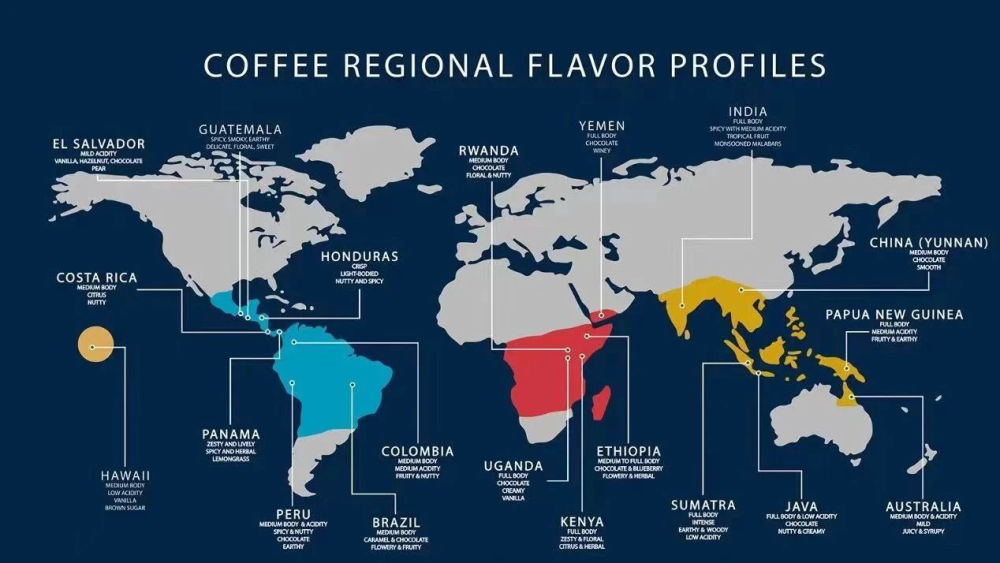
In summary, Arabica and Robusta each have their unique strengths and suitable scenarios. Arabica, with its diverse floral and fruity notes and smooth taste, is ideal for pour over and drip methods that emphasize flavor complexity; whereas Robusta, with its bold taste and stable extraction properties, is better suited for espresso, latte, and other drinks that require a rich body and abundant crema.
If you’re a beginner just starting to explore the world of coffee, you might want to start with Arabicas from different regions and processed in various ways to experience their diverse flavors; if you prefer bold tastes or frequently drink espresso, you can also try some high-quality Robusta blends to rediscover this once-misunderstood variety.
The above content is compiled by CoffeeHunters, a coffee news website.


