








Introduction:Delve into the Red Honey-processed Catuai coffee from Café Sol Naciente in the Tarrazú region of Costa Rica. Explore its growing environment at an altitude of 1,750 meters, the three main cultivars, and the detailed steps and flavor characteristics of the Red Honey process. This article will help you master the key techniques of honey processing, analyze the processing logic behind the sweet profile, and provide practical cupping and roasting references to help you better understand this pour over coffee bean with its rich flavor layers.
Costa Rica’s honey-processed coffees are known for their pronounced sweetness and full body, and Café Sol Naciente is a prime example of this style. This microlot farm is located in Santa María de Dota in the Tarrazú region, nestled in the mountains at an altitude of 1,750 meters. It primarily cultivates three specialty coffee varieties: Catuai, Ethíopia 47, and Geisha. The Red Honey-processed Catuai from Café Sol Naciente introduced here is roasted to a medium-light level, showcasing sweet orange, cream, grapefruit, honey, and black tea in the cup, making it a must-try for pour over enthusiasts.

Sweetness has always been an important indicator of coffee quality and a sought-after attribute by many coffee lovers during brewing. When it comes to regions with outstanding sweetness performance, Costa Rica often ranks at the top, thanks to local farms’ skilled use of the honey processing method, which fully highlights the inherent sweetness and fruity notes of the coffee beans.
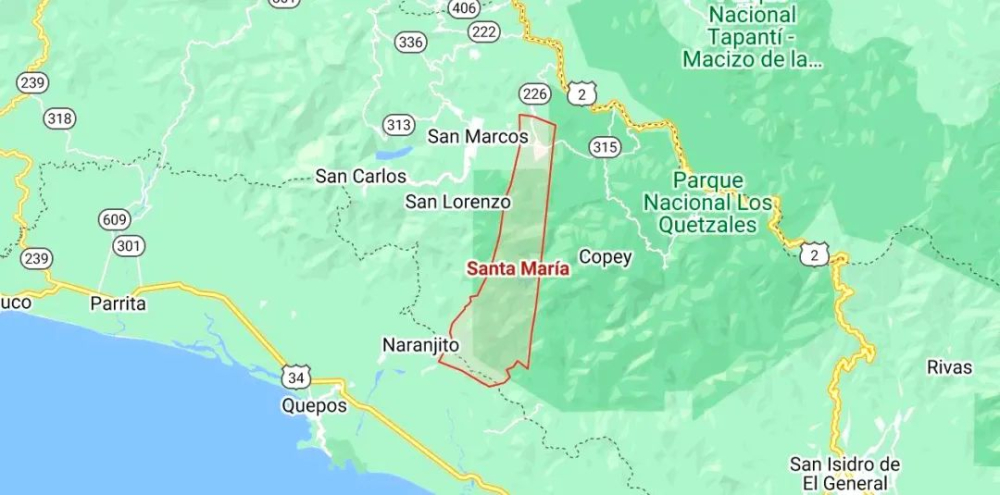
Café Sol Naciente is located in Costa Rica’s renowned Tarrazú region, which is not only a key origin of Central American specialty coffee but also, due to its high altitude and favorable microclimate, produces numerous uniquely flavored coffee beans. The farm is situated in Santa María de Dota, just about 40 kilometers from the capital San José, and is one of the core areas of Tarrazú.
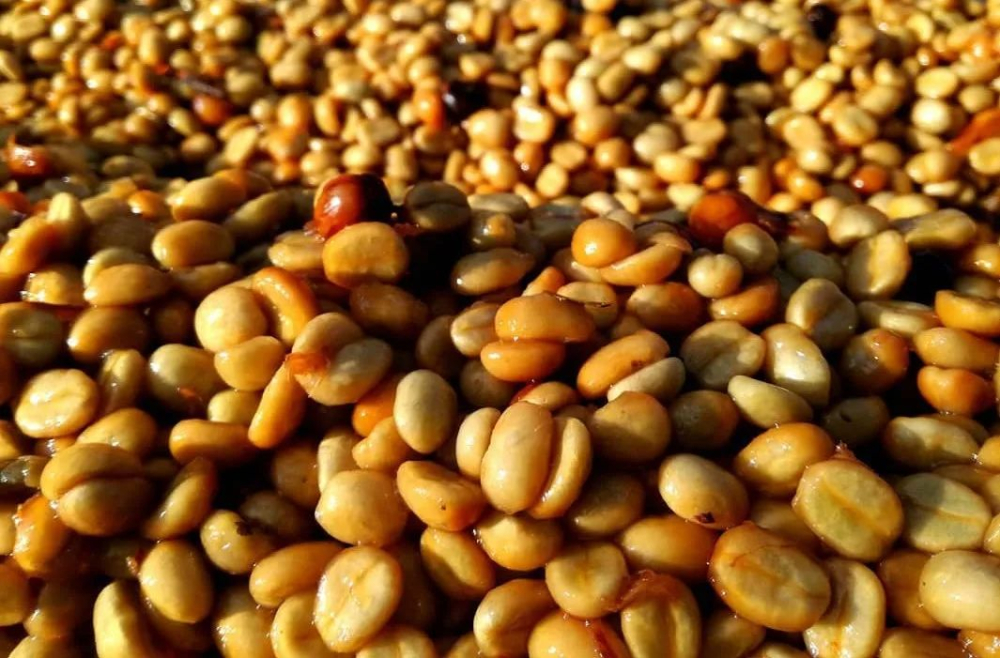
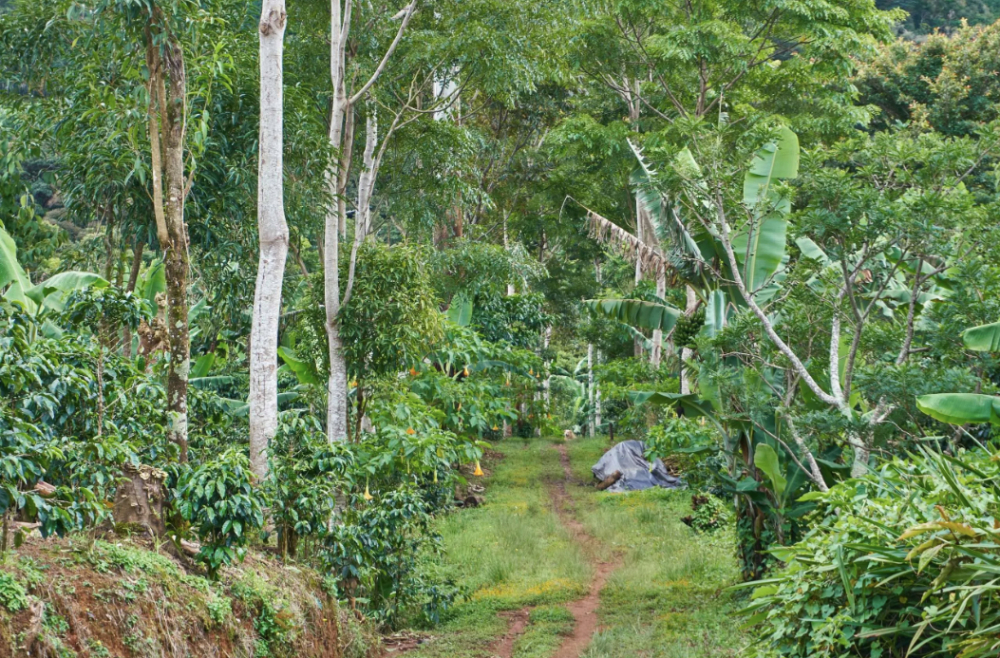
At an altitude of 1,750 meters, the farm spans approximately 7 hectares, with about 6 hectares dedicated to coffee cultivation, another 0.5 hectares reserved as a mountain ecological conservation area, and the rest used for post-harvest processing and drying. Notably, the conservation area borders the Los Santos Biological Corridor, which hosts three different types of rainforest ecosystems, is home to many rare flora and fauna, and is a favored hiking route for nature enthusiasts.
The Los Santos region is a valley surrounded by three cantons, featuring a pleasant climate with annual rainfall reaching up to 2,400 mm and an average temperature of around 19°C, making it highly suitable for coffee trees growing at altitudes between 1,500 and 2,100 meters. Café Sol Naciente is located in this lush valley, surrounded by a rich ecological environment where rare small animals are often spotted.
The history of Café Sol Naciente dates back to 1990, when Arturo Bonilla and Xinia Martínez purchased this former pastureland and began their coffee-growing journey. Today, the farm is managed as a family operation and is well-known for its refined micro-lot management. They adopt different processing methods based on the soil and microclimate characteristics of each plot to best express the unique flavors of each piece of land.
In 2015, the farm officially established an eco-micro processing station named “Sol Naciente,” symbolizing new life and hope. The farm’s logo consists of three elements: the rising sun, coffee, and nature, conveying sustainable management and ecological conservation concepts. It is said that during the first year of operation, founder Don Arturo Bonilla had a green frog jump onto his back, only later to discover it was an endangered local species. Since then, he has become even more committed to placing environmental protection at the core of coffee cultivation.
Currently, the farm mainly grows three varieties: Catuai, Ethíopia 47, and Geisha, while continuously cultivating experimental new varieties. The Red Honey-processed coffee introduced here is made from the Catuai variety, showcasing highly representative honey processing flavors.
Catuai is a variety released in 1972 by the Agricultural Research Institute of São Paulo State (IAC) in Brazil, resulting from a cross between Yellow Caturra and Mundo Novo. Mundo Novo itself is a natural hybrid of the ancient varieties Bourbon and Typica, first discovered in Brazil in 1943. Catuai not only inherits Caturra’s traits of strong light tolerance and short plant height for easier management but also boasts Mundo Novo’s advantages such as high yield, disease resistance, and stable cupping performance.
Due to its relatively short tree height, Catuai can be planted at higher densities, aiding in farm management and pest control, especially showing good adaptability in harsh weather conditions such as heavy rain or strong winds. For these reasons, Catuai has become an important cultivated variety in many coffee-growing regions across Central and South America.
The so-called Red Honey process is a type of honey process characterized by retaining 50% to 80% of the fruit mucilage layer before sun drying. The mucilage is rich in sugars and mucilage, key factors influencing the coffee’s sweetness and fermentation flavors. During the drying process, Red Honey beans gradually turn reddish-brown, and the drying time usually takes about 12 days, requiring frequent turning to avoid mold—generally multiple times per day.
Compared to Black Honey (retaining over 80% mucilage, slower drying, and richer flavors), and Yellow Honey (retaining about 20%-50% mucilage, faster drying, and lighter flavors), the Red Honey process strikes an excellent balance between sweetness, acidity, and fermentation complexity. Before roasting, Red Honey beans appear lighter in color than Black Honey but carry subtle fermented fruity aromas. After roasting, they often exhibit rich fruit tones, clear acidity, and soft wine-like notes, with noticeable sweetness and a clean aftertaste.
To fully showcase the honey aroma and layered complexity of this Red Honey-processed Catuai from Café Sol Naciente, a medium-light roast is recommended, preserving the caramelization sweetness while highlighting its fruit and floral notes. In cupping, this coffee reveals multiple flavors including sweet orange, cream, grapefruit, honey, and black tea. The dry fragrance carries notes of orange, dried fruit, and hazelnuts, accompanied by slight fermentation character. At higher brewing temperatures, it shows red floral, grape, and apricot fruit tones, while as the temperature drops, citrus acidity becomes brighter, with the finish offering the softness of black tea and the sweetness of honey.
In summary, the Red Honey-processed Catuai from Café Sol Naciente not only embodies the typical strengths of Costa Rica’s honey-processed coffees but also, through refined micro-lot management and eco-friendly farming practices, delivers a taste filled with both nature and craftsmanship in every sip. Whether you are a beginner or an advanced pour over enthusiast, this coffee is an excellent choice for exploring the sweetness and flavor complexity of honey processing.
The above content is compiled by CoffeeHunters, a coffee news website.


