







Introduction:The natural processing method is one of the oldest techniques in green coffee bean production, renowned for its intense fruity aroma and sweet flavor profile. This article delves into the complete natural processing workflow—from harvesting and sorting to drying and hulling—and compares traditional and specialty natural processes. It also explores how this craftsmanship shapes the unique flavors of coffee, along with insights from two classic natural-processed beans.
The flavor profile of a cup of coffee is influenced not only by its variety and origin but also—crucially—by how the green beans are processed. Among these methods, natural processing stands as one of the oldest techniques. Thanks to its bold fruitiness and rich sweetness, it has regained attention in the specialty coffee scene in recent years. This article will detail each step of natural processing, from harvest to storage, compare the craftsmanship differences between traditional and specialty natural methods, and analyze two representative natural-processed coffee beans to help you better appreciate the charm of this technique.
A coffee’s flavor expression primarily stems from three factors: the growing environment, green bean processing, and roasting. Among them, green bean processing—the key procedure that removes the coffee bean from the fruit—is directly responsible for the final aroma and taste, with both the method and execution quality playing pivotal roles. This article focuses on natural processing, guiding you through the essence of this craft from start to finish.
Natural processing is a long-established method of green bean production, commonly found in regions with dry climates and abundant sunshine. This technique relies on sunlight to gradually evaporate moisture from the coffee cherries, bringing the beans to a safe moisture level. With the specialty coffee industry’s pursuit of diverse flavor profiles, the fruity characteristics brought by natural processing have gained increasing recognition. Depending on processing details, it can be divided into two main types: traditional natural and specialty natural.
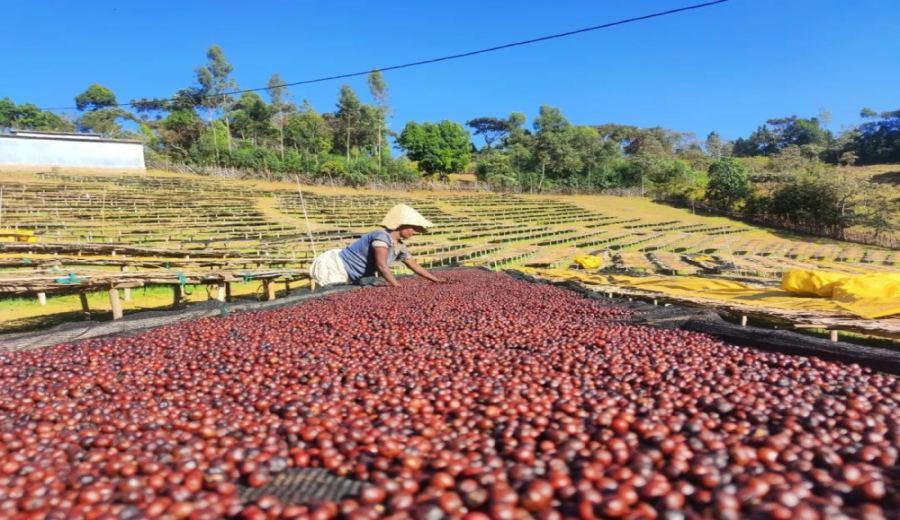
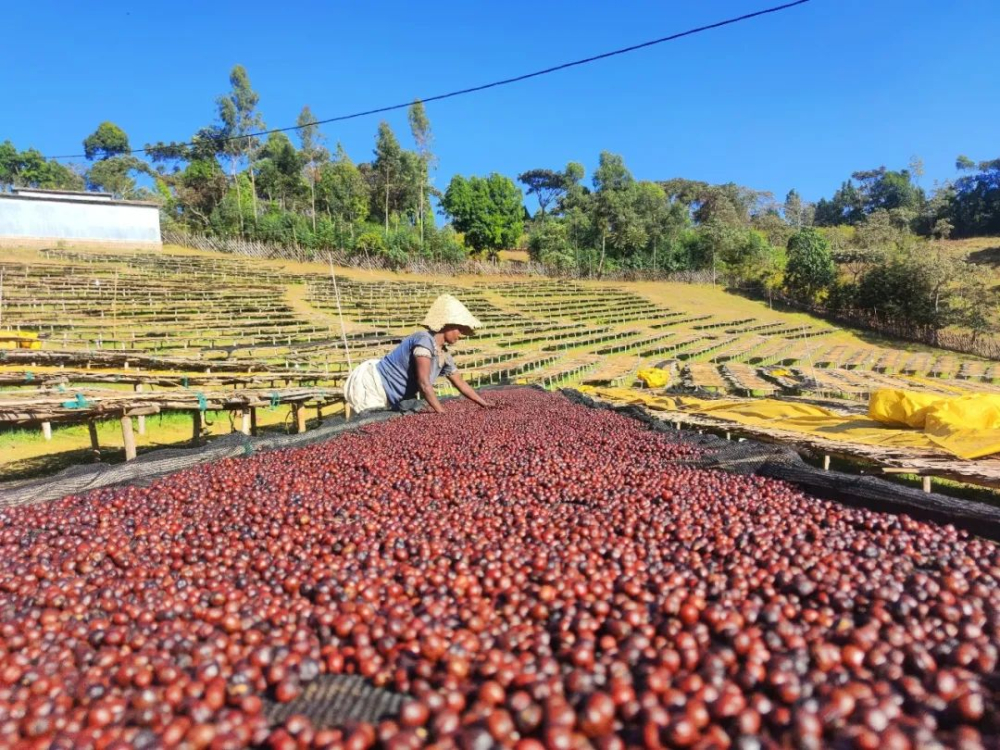
Traditional natural is the most primitive form of processing. Typically, high-sugar coffee cherries are hand-picked and then evenly spread out on African raised beds to undergo sun exposure for about ten days. In regions with unfavorable weather, some producers move the cherries under plastic-covered greenhouses to concentrate heat and accelerate drying. Others simply spread the cherries on open courtyards until their moisture content stabilizes at around 11.5%. This process requires close monitoring of weather changes and frequent turning to ensure even drying, preventing mold or over-fermentation. When the coffee cherries gradually turn from red to deep black and emit complex aromas reminiscent of fruitcake, caramel, or even sherry, the natural processing is considered complete.
Compared to the traditional approach, specialty natural processing introduces stricter controls at every stage to enhance coffee quality and flavor potential. For example, tools like a refractometer are used to determine the optimal harvest timing, selecting uniformly ripe red cherries to achieve a purer sweetness. Additionally, some processing facilities employ specially designed elevated drying tables to improve airflow, ensuring more even drying and reducing fermentation risks. These refined details allow specialty natural processing to fully express the coffee’s latent flavor complexity.
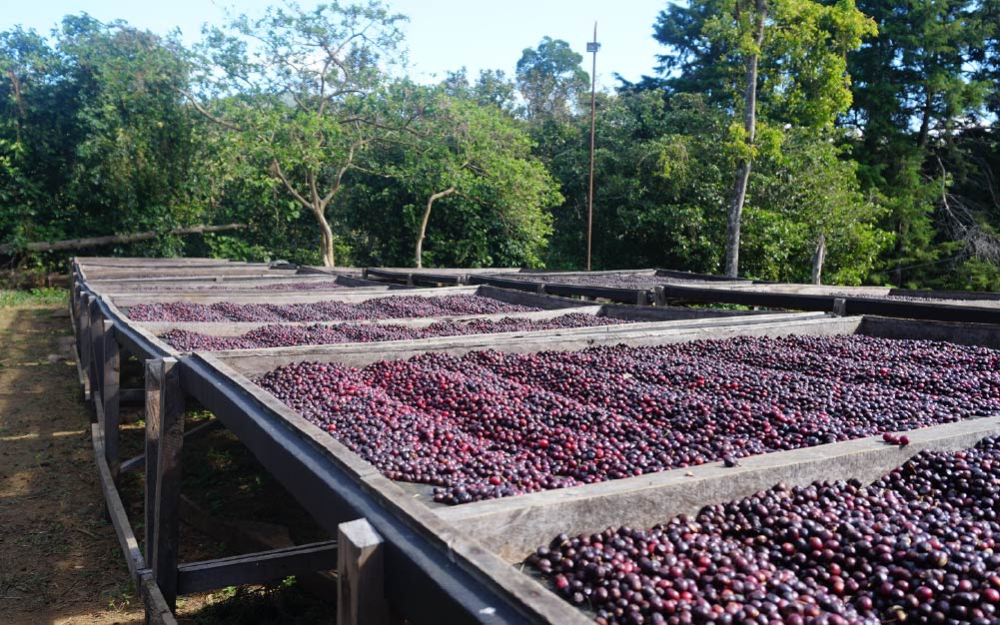
The full natural processing workflow can generally be divided into three stages: collection and sorting, drying, and hulling/sorting plus storage. First, after picking, the coffee cherries undergo manual sorting to remove overripe, underripe, insect-damaged, or visibly flawed beans, as well as any non-fruit foreign matter, ensuring the purity of the raw material. The sorted cherries are then transferred to drying areas, where different regions may use tarps, elevated beds, or concrete surfaces for drying. This stage usually lasts three to four weeks, during which the cherries must be frequently turned to maintain uniform drying rates until their moisture content drops to around 11%. Once dried, the cherries are sent to processing facilities for pulping and hulling, sometimes undergoing surface polishing to remove residual pulp and mucilage. Finally, the hulled green beans are sorted again to eliminate beans with poor appearance, ensuring the final product meets quality standards before being stored and prepared for export.
Naturally processed coffee beans typically exhibit richer and more layered flavors, often described as distinctly fruity, with wine-like fermentation notes and pronounced sweetness. Below are two representative natural-processed beans and their actual flavor profiles.
The first is an Ethiopian Natural Yirgacheffe from the Guji Hambela region in the Sidamo zone, processed by Buku Able at an altitude of 2350 meters using local heirloom coffee varieties and the natural processing method. These coffees ripen in a sunny environment and, when brewed, display intense berry and tropical fruit aromas, with distinct natural fermentation characteristics. Their flavor is vibrant and sweet, akin to freshly squeezed juice—making this a classic representation of natural-processed flavor.
The second is a 2013 Natural Typica from Yunnan, China, grown in Lincang at an altitude of approximately 1300 meters. This coffee is a premium offering among Yunnan’s small-bean varieties, processed using the natural method and medium roast. It presents soft notes of nuts, chocolate, and black tea, with an overall balanced and layered flavor profile, making it an ideal choice for coffee lovers who prefer a smooth and mellow cup.
The above content is compiled by CoffeeHunters, a coffee news website.


