







Introduction:The Gesha Village Estate in Ethiopia is renowned for producing high-quality Gesha coffee, with its Gold Label batches being particularly favored by specialty coffee enthusiasts and competition participants. This article delves into the different varieties cultivated across the estate’s eight unique plots, analyzes the definition and rarity of the Gold Label grade, and takes the Oma plot’s Natural Gesha 1931 as an example to detail its flavor characteristics and practical pour over parameters, helping you master the brewing essentials and enjoy the layered flavors of Gesha.
Located in the Bench Maji region of Ethiopia, the Gesha Village Estate has become a focal point in the specialty coffee world in recent years. Several of its Gesha coffee offerings have repeatedly appeared on the global coffee competition stage, earning high praise from professional baristas and roasters. The estate spans a vast 471-hectare cultivation area, over 320 hectares of which are dedicated exclusively to growing Gesha variety coffee trees. These are further subdivided into eight independent plots based on microclimates and soil conditions, with each plot cultivating a single variety to create distinctly unique flavor profiles.
The origin of the Gesha Village Estate stems from a serendipitous encounter. In 2007, Adam and Rachel, a couple, were invited to the area to film a coffee documentary. After in-depth exchanges with local residents, they gradually conceived the idea of establishing their own estate. In 2009, they met Willem Boot, the renowned owner of the Mocha Mill estate and a BOP judge, who advocated for “returning to Ethiopia to seek the original Gesha variety.” This became a key turning point in subsequent site selection and variety screening. In 2011, the team returned to Bench Maji and, guided by local scouts, ventured deep into the primeval forest where they finally discovered the most promising original Gesha land. It was here that the now expansive Gesha Village Estate was established.
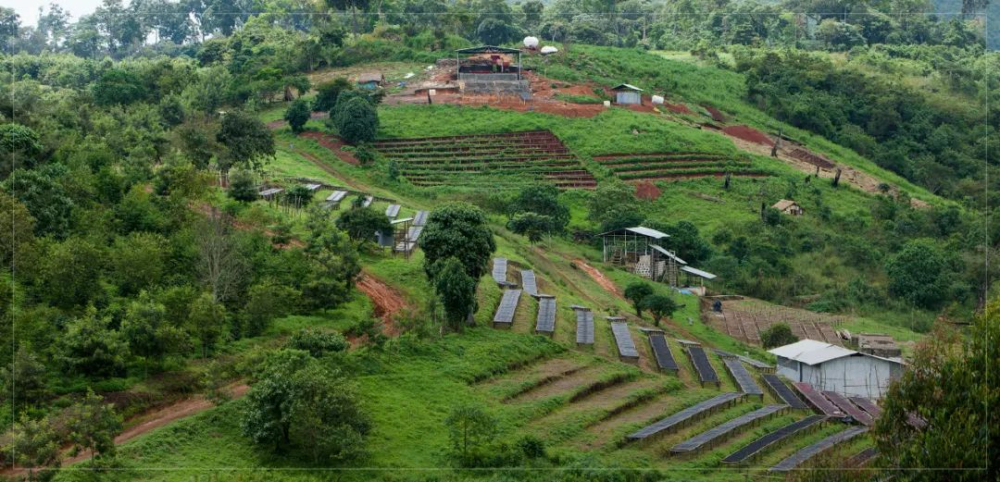
The elevation of the Gesha Village Estate mostly exceeds 1900 meters. The high-altitude environment slows the growth rate of coffee cherries, allowing the beans more time to accumulate flavor compounds and sugars, resulting in rich and complex taste profiles. The farm’s soil is reddish-brown loam, with planting density controlled at 7,000 trees per hectare, which supports healthy tree development and fruit maturation. Moreover, the estate divides its coffee cultivation into eight major plots—Bangi, Dimma, Gaylee, Oma, Narsha, Surma, Shewa-Jibabu, and Shaya—each focusing on a specific variety. This ensures the purity and consistency of flavors within individual batches.
Among the eight plots, the Bangi plot is located on the eastern side, ranging from 1911 to 2001 meters above sea level, and primarily cultivates Gori Gesha across approximately 54 hectares. Its coffee often exhibits aromas of honeysuckle, spices, and dark chocolate, along with layered flavors of red fruits, black tea, and blackcurrant. The Dimma and Gaylee plots are both situated in the central and southeastern areas, at elevations of 1966–2019 meters and 1916–1982 meters respectively, and grow the Illubabor variety. The former is known for its coffee floral notes and stone fruit character, complemented by a fresh citrus touch, while the latter blends fruit, spice, and aromas of jasmine and lemongrass.
The Oma plot is the primary cultivation area for the Gesha 1931 variety. It lies in the southern part of the estate, at an altitude of 1931–2040 meters, spanning 67.6 hectares. The coffee from this plot is celebrated for its intense jasmine floral aroma, accompanied by sweet notes of peach, apricot, preserves, melon, and mandarin orange, along with a honey-like sweet aftertaste. It is a common source of the Gold Label grade. The Narsha plot, though small at just 5.3 hectares, also grows Gesha 1931, offering flavors such as honeysuckle, yellow fruits, green lime, and dark chocolate. It has a clean acidity with a bergamot-fresh aftertaste.
The Surma plot, located to the southwest at an elevation of 1909–2063 meters and covering 45.9 hectares, cultivates Gesha 1931 that exhibits aromas of jasmine and rose, with layered flavors reminiscent of strawberry, watermelon, apple, and delicate spices. The Shewa-Jibabu (Jibabu) plot lies to the northwest, at 1973–2069 meters, and cultivates Gori Gesha across 48.5 hectares. Its coffee often features complex flavors including strawberry, ripe peach, papaya, floral notes, dark chocolate, and bergamot. Finally, the Shaya plot, situated to the north and covering 36.5 hectares, also grows Gori Gesha. Its flavor profile includes diverse elements such as jasmine, bergamot, orange, dark chocolate, cherry, molasses, lemon, and berries.

The Gesha Village Estate’s commitment to coffee quality is reflected in its rigorous grading system. In addition to referencing the official SCA standards, the estate has established a coffee laboratory in Addis Ababa, where precise cupping is used to screen every batch, ensuring that the final delivered beans meet high standards. The estate categorizes its products into five grades: AUCTION (auction lots), RARITIES (Gold Label), GROWERS RESERVE (Red Label), SINGLE-TERROIR (Green Label), and CHAKA (Chaka lots). The Gold Label accounts for about 10% of the annual production and represents the most premium offerings outside auction lots. It boasts complex and rare flavors, often becoming the top choice for barista competitions and high-end roasters.
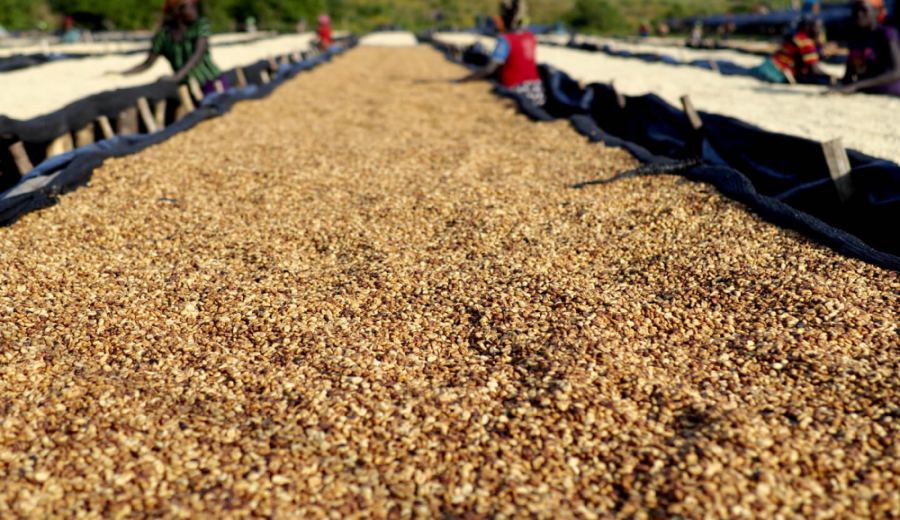
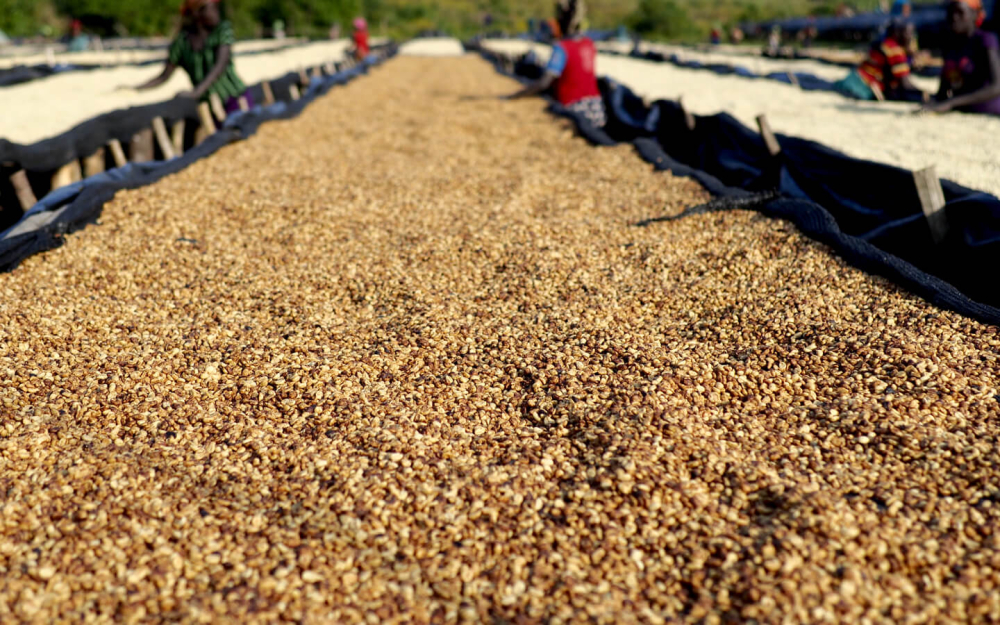
Taking this year’s Oma plot Natural Gold Label Gesha 1931 as an example, it undergoes a 32-day natural sun-drying process that fully preserves the pulp’s sugars and aromatic compounds. This imparts a richly fruity body with berry and melon sweetness, citrus acidity, and lingering notes of chamomile flower and tea. This variety has been confirmed by experts to closely resemble the parent plant of Panama Gesha in terms of plant morphology, bean characteristics, and cupping performance, making it a significant representative of the Gesha variety.
For medium-light roasted Gold Label Gesha, to highlight its bright acidity and delicate flavors, it is recommended to use a medium-fine grind (e.g., 80% passing through a Chinese No. 20 sieve, similar in coarseness to granulated sugar), paired with a V60 filter, a water temperature of 90–91°C, and a 1:15 coffee-to-water ratio. Specifically, start with a 30-second bloom using 30 grams of hot water, then pour in a slow spiral to reach 125 grams for the first pour. Once the water level drops slightly, continue pouring to 225 grams to finish. The total extraction time is around 2 minutes. These parameters help achieve even extraction of acidic and sweet compounds while avoiding over-extraction that can lead to bitterness.
In the final cupping profile, this Gold Label Gesha presents sweet berry richness, a full body, and delicate chamomile and red berry notes, with a lingering aftertaste of melon freshness and tea-like subtlety. It is a classic choice for those wishing to deeply explore the layered complexity of Gesha.
The above content is compiled by CoffeeHunters, a coffee news website.


