








Introduction:Did you know? A significant part of the flavor differences in coffee comes from the processing method. Washed and natural are the two most common processing techniques, influencing not only the dry aroma and taste but also directly determining the suitable pour over extraction method. This article delves into the processing steps, flavor characteristics, and actual tasting differences of both methods, and provides pour over parameter recommendations to help you become more proficient in selecting beans and brewing.
Coffee is more than just a beverage to perk you up—it’s a fruit essence rich in fruity aromas and layers. From the floral and fruity acidity released after roasting, to the juicy sensation upon tasting, it all starts with the “processing method” of the coffee bean. Among the many processing techniques, washed and natural are the most common and have the most significant impact on flavor. This article will start from the original structure of the coffee cherry, take you through the practical processes of these two methods, and use actual cupping examples to analyze their specific differences in dry aroma, taste, and pour over parameters.
The Importance of Coffee Processing: The Key Transformation from Fruit to Coffee Bean
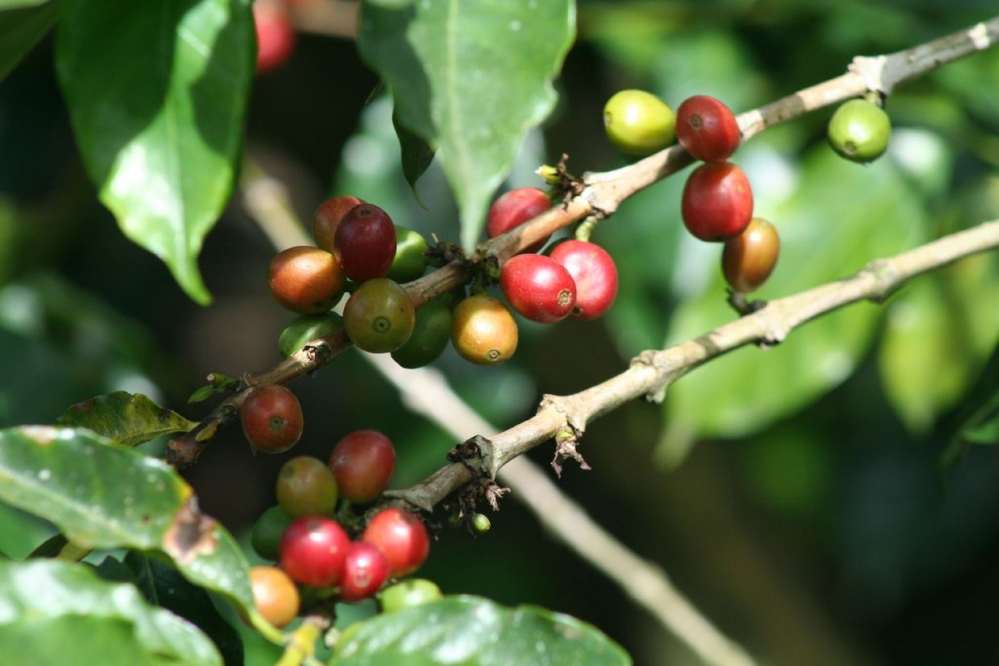
Many people may not know that the familiar coffee beans we know were originally seeds inside coffee cherries. Each coffee cherry typically contains two coffee beans, surrounded by pulp, mucilage, and skin. Before coffee is roasted, it must go through a series of processes including harvesting, pulping, fermentation, washing, drying, and hulling. Among these, the “processing method” is the very first step that determines the future flavor direction.
Common processing labels on the market such as “natural,” “washed,” and “honey processed” each come with their own craftsmanship characteristics and flavor tendencies. Among them, natural and washed are the most traditional and representative, having a noticeable impact on the final dry aroma, sweet-sour balance, body, and aftertaste of the coffee.

Natural Process: Intense Fermentation Under the Sun, Creating Tropical Fruit Aromas
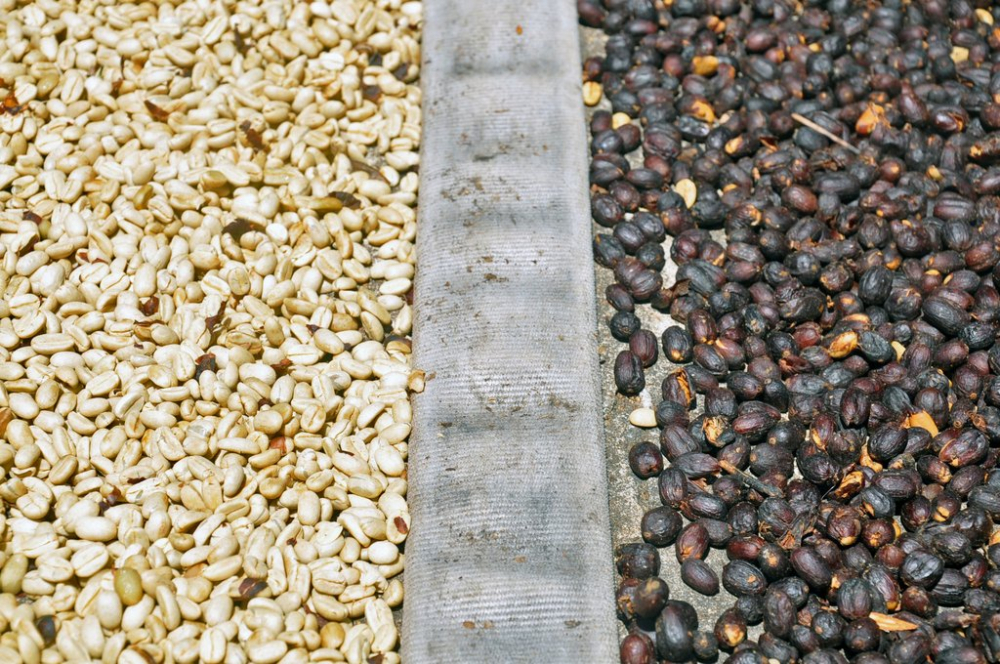
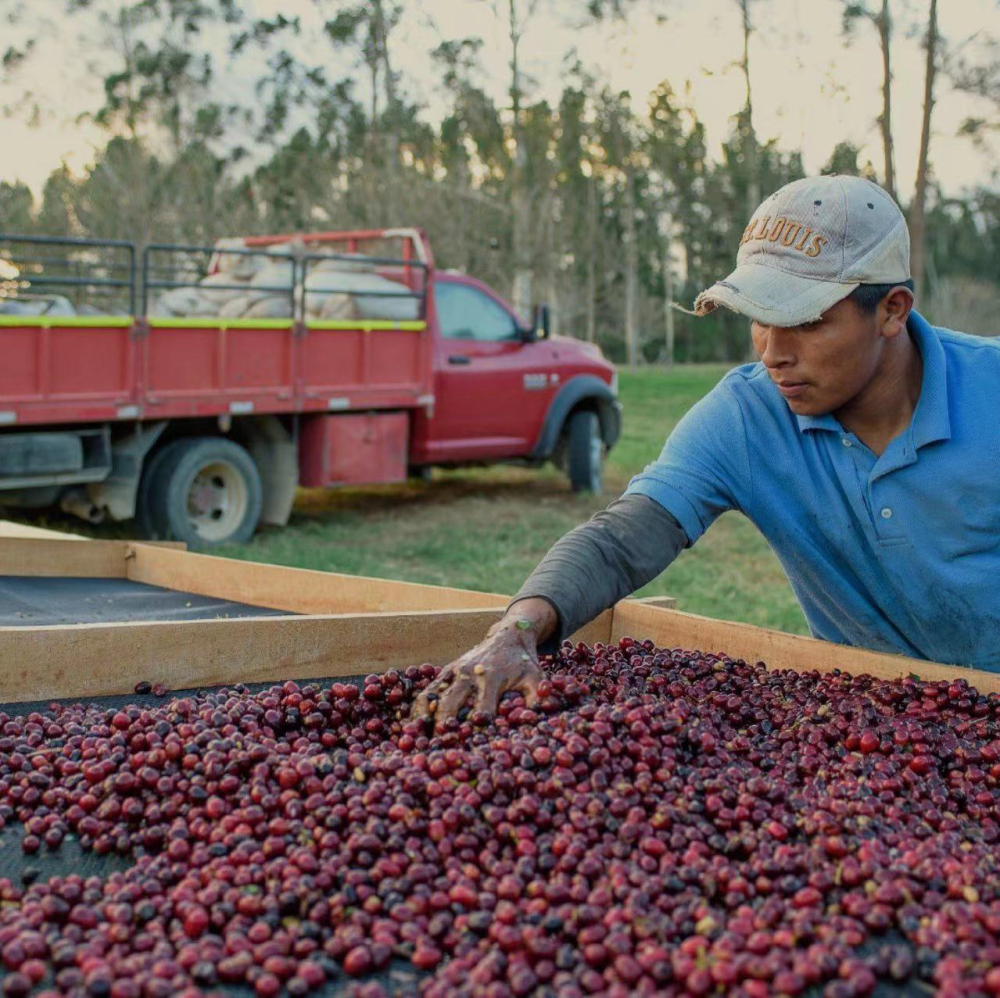
The natural process is one of the most primitive processing methods, mainly popular in regions with abundant sunlight, such as Ethiopia and Brazil. Its basic process is: after harvesting the coffee cherries, unripe and defective ones are first removed, then the whole coffee fruit—including the pulp—is placed directly on African raised beds or ground drying areas to undergo sun drying for two to three weeks. During this period, the mucilage and pulp remain fully attached to the beans, gradually fermenting and infusing flavor.
Since fermentation occurs simultaneously with sun drying, controlling temperature and humidity is extremely important. Too high a temperature may lead to over-fermentation, producing undesirable off-flavors; moderate temperatures can promote the development of sweet fruit and wine-like aromas. Usually, once dried, the coffee cherries undergo hulling to remove the outer shell and extract the green beans inside.
Common drying equipment for the natural method includes African-style raised beds, which effectively avoid ground moisture and pest intrusion while promoting even ventilation and sunlight exposure. This processing method often carries noticeable fermented wine-like aromas, spicy notes, and rich tropical fruit flavors, such as blueberries, mangoes, or pineapples. Additionally,natural beans generally have higher body and more pronounced sweetness..
Washed Process: Precise Fermentation to Create Bright Acidity and Clean Taste
Compared to the natural and rustic approach, the washed process is a more precise and hygienic processing technique. First, defective cherries and foreign leaves are also removed, then the outer skin and most of the pulp of the coffee cherry are removed, leaving the mucilage layer still attached to the beans. These mucilage-covered coffee beans are then placed in water tanks to ferment, where microbes break down the mucilage. This stage usually lasts between 24 to 30 hours, depending on temperature and humidity.
Some processing facilities use dry fermentation, meaning no additional water is added for soaking—the beans ferment naturally and are later washed with clean water to remove the mucilage. After fermentation, the beans are washed multiple times to ensure no residual mucilage remains, and then dried either by sun or mechanical means until the moisture content is reduced to a safe storage level.
The biggest advantage of the washed method is the ability to precisely control the degree of fermentation. The resulting coffee typically has bright acidity, a clean taste, and offers higher clarity and layering. It is well suited for showcasing the “terroir” of the coffee-growing region, such as lemon, green apple, or black tea-like aftertastes. Compared to natural, washed beans usually have a milder flavor profile and fewer off-flavors.
Practical Tasting Comparison: Yirgacheffe Washed vs. Natural
Taking the famous Ethiopian region “Yirgacheffe” as an example, its washed and natural versions show significant differences in flavor expression, making it an excellent case study for understanding the two processing methods.
In the dry aroma stage, natural Yirgacheffe often carriessubtle fermented wine-like and spicy notes, reminiscent of the delicate aromas of red wine or cloves; whereas the washed version emits a fresherjasmine floral and lemony acidity, giving off a more refreshing and pleasant scent.
Upon tasting, the natural version has a more complex flavor profile. In addition to lingering wine-like notes, it also features caramel sweetness, cocoa tones, and spicy nuances. It has high body and a long aftertaste; in contrast, the washed version showcases brightlemony acidity, a clean mouthfeel, prominent citrus aromas, and a soft tea-like finish akin to black teain the latter part. Both have fruit acidity, but they are expressed differently.
Pour Over Recommendation Parameters: Targeted Extraction to Bring Out Optimal Flavor
To fully experience the differences between washed and natural Yirgacheffe, it is recommended to use a V60 filter and adjust according to the following parameters:
Natural Yirgacheffe: Recommended dosage is 15 grams, water temperature 89°C, coffee-to-water ratio 1:15, using a Hario Mini Mill grinder at setting 4. First, pour 30 grams of water for a 25-second bloom. Second, pour 104 grams of water then pause, finally pouring up to a total of 230 grams. Total brew time is about 2 minutes and 12 seconds, and the last drips can be discarded if needed.
Washed Yirgacheffe: Also use 15 grams of coffee, slightly increase the water temperature to 92°C, keeping the coffee-to-water ratio at 1:15. First, pour 30 grams of water for a 28–30 second bloom, then pour 110 grams of water and pause, with the total water volume also being 230 grams, and total brew time about 2 minutes and 15 seconds.
By adjusting temperature and grind size appropriately, you can more accurately highlight the intense fruitiness of the natural and the clarity of the washed, bringing distinctly different tasting experiences.
The above content is compiled by CoffeeHunters, a coffee news website.


