







Introduction:Jamaica Blue Mountain coffee is renowned worldwide for its exceptional quality and scarce production, making it a prized choice among many coffee enthusiasts. This article delves into the origins of Blue Mountain coffee, the environment of its growing regions, the unique advantages of the Clifton Estate, and the evolution of washed and natural processing methods. It also provides detailed information on the variety of Jamaica Blue Mountain No.1 coffee beans, roast profiles, cupping performance, and practical hand pour-over brewing parameters to help you fully appreciate the charm of this top-tier coffee.
Jamaica Blue Mountain coffee is hailed as the pinnacle of specialty coffee in the world. Its fame stems not only from its outstanding flavor profile but also from its stringent regional certification and meticulous cultivation management. Want to know what true Blue Mountain coffee is? Where do its flavor characteristics come from? This article starts with the historical background of Blue Mountain coffee, explores the planting advantages of the Clifton Estate, and provides a detailed analysis of the Jamaica Blue Mountain No.1 Typica beans selected by a certain supplier — including its processing method, roasting strategy, cupping results, and practical KONO filter brewing parameters — to guide you through an in-depth understanding of this premium coffee.
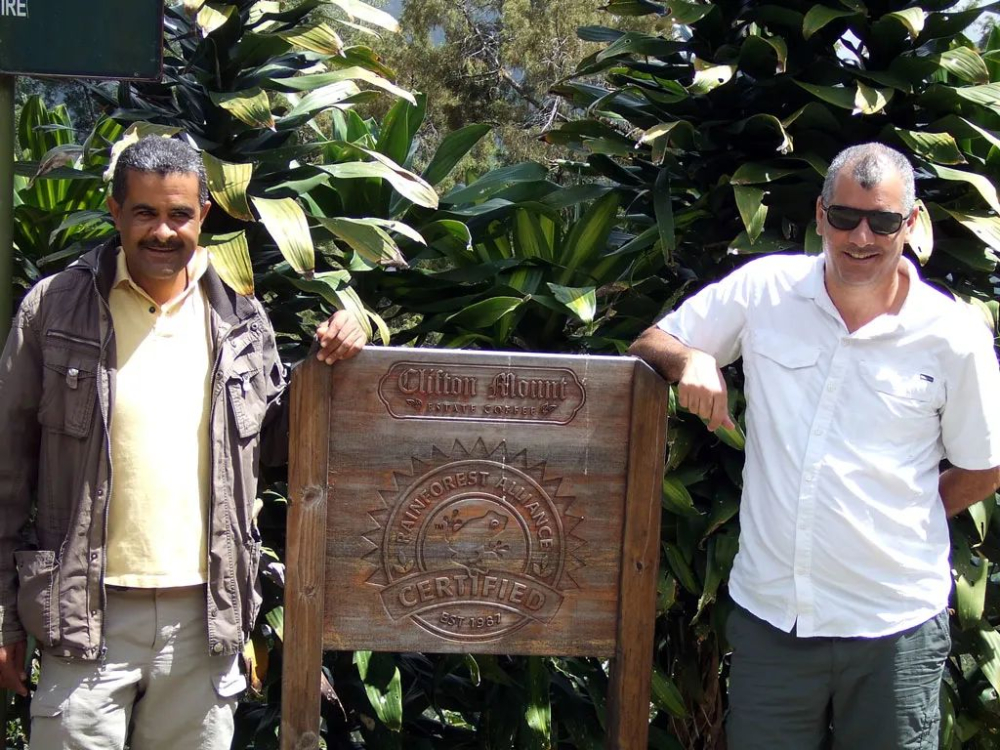
When it comes to Jamaican coffee, the first thing that comes to most people’s minds is undoubtedly Jamaica Blue Mountain coffee. This coffee, produced on the Caribbean island nation, has become a legend in the global coffee market due to its delicate and balanced flavor and its extremely rigorous production standards. The Blue Mountain coffee currently supplied by a certain supplier all comes from the Clifton Estate, the oldest estate in the Blue Mountain range. The Clifton Mountain where the estate is located is not only the oldest continuously operating coffee-growing area in Jamaica, but also the only coffee-producing site in the country to be certified as a "Rainforest" area. It's worth noting that the authentic Blue Mountain coffee on the market is primarily washed processed, though sun-dried options may emerge in the future.
The history of coffee cultivation in Jamaica dates back to the early 18th century. In 1717, King Louis XV of France ordered the development of coffee cultivation in the region. By the 1720s, Sir Nicholas Lawes, then Governor of Jamaica, introduced Arabica seeds from Martinique and promoted their cultivation in the Saint Andrew area. These coffee trees later found an ideal growing environment in the Blue Mountain range, and were classified into three grades based on altitude: Blue Mountain coffee, High Mountain coffee, and regular Jamaican coffee — with Blue Mountain being the most expensive due to its superior altitude and quality.
The Blue Mountain range is located in eastern Jamaica. Surrounded by the Caribbean Sea, the blue glow reflected from the sea onto the mountains gives the region its name. The highest elevation here reaches 2,256 meters, but coffee is grown only at altitudes below 1,700 meters. As the highest peak in the Caribbean, it is not only a famous tourist destination but also boasts fertile volcanic soil, abundant rainfall, and stable climate. The average annual rainfall is about 1,980 mm, with minimal day-night temperature variation and temperatures typically around 27°C, providing ideal natural conditions for coffee growth.
An observer noted that the first officially certified sun-dried Blue Mountain coffee beans are set to be introduced, marking the beginning of more diversified processing methods in this traditional producing region. Although Blue Mountain coffee has almost exclusively been washed processed in the past — mainly because washing faithfully preserves its delicate and elegant flavor profile — sun-dried Blue Mountain is gradually entering the market to offer consumers who enjoy rich fruity notes and bold body a new option.
Currently, all Blue Mountain coffee on the market is washed processed. The process includes: manually harvesting ripe cherries, initially screening out defective ones, then removing the pulp within 12 hours for fermentation, followed by prolonged sun drying on cement platforms until the moisture content drops to 11%-13%. The beans are then placed in a temperature- and humidity-controlled aging warehouse for 2 to 3 months until the flavors stabilize before being packaged for export. The entire process is meticulous, with skilled workers hand-picking defective beans, limited daily processing capacity, and storage in Jamaica Blue Mountain-specific wooden barrels to ensure consistent final flavor performance.
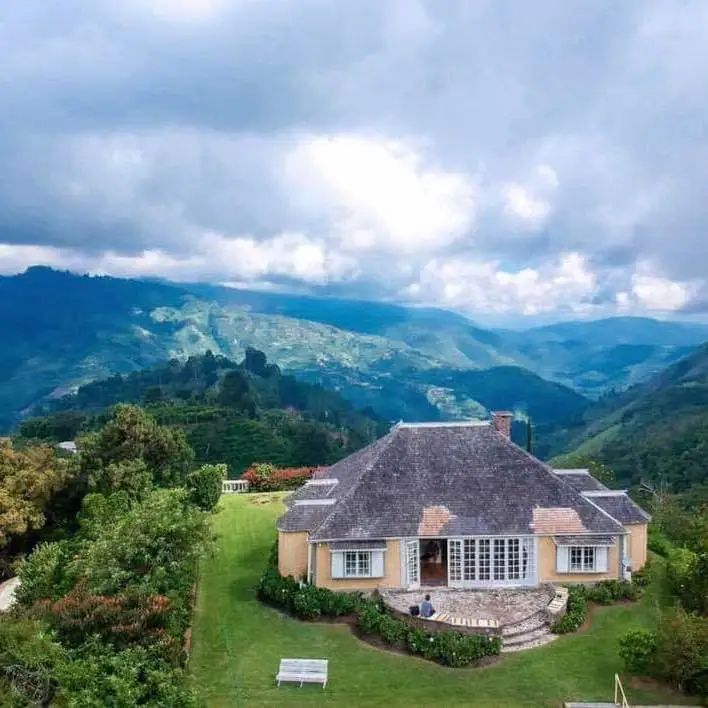
The rarity and high price of Jamaica Blue Mountain coffee are directly related to the limited planting area of the region. The entire Blue Mountain area has only about 6,000 hectares suitable for cultivation, and only those certified by the Coffee Industry Board (CIB) can be labeled as "Blue Mountain coffee." The Clifton Estate, as one of the oldest and highest-altitude single estates in the region, began planting Typica variety as early as 1790 and is the only Blue Mountain producer in the area to be certified by the Rainforest Alliance. This certification ensures the estate’s performance in environmental protection, sustainable management, and social responsibility, including water conservation, reduced pesticide use, biodiversity maintenance, and safeguarding farmers’ labor rights.
According to the definition by the Jamaica Coffee Industry Board (CIB), only Typica variety coffee planted between 910 and 1,700 meters in the Blue Mountain region qualifies as "Jamaica Blue Mountain coffee." The Jamaica Blue Mountain No.1 sold by a certain supplier comes from the Clifton Estate at an altitude of 1,310 meters, is washed processed, and belongs to the top grade within the region.
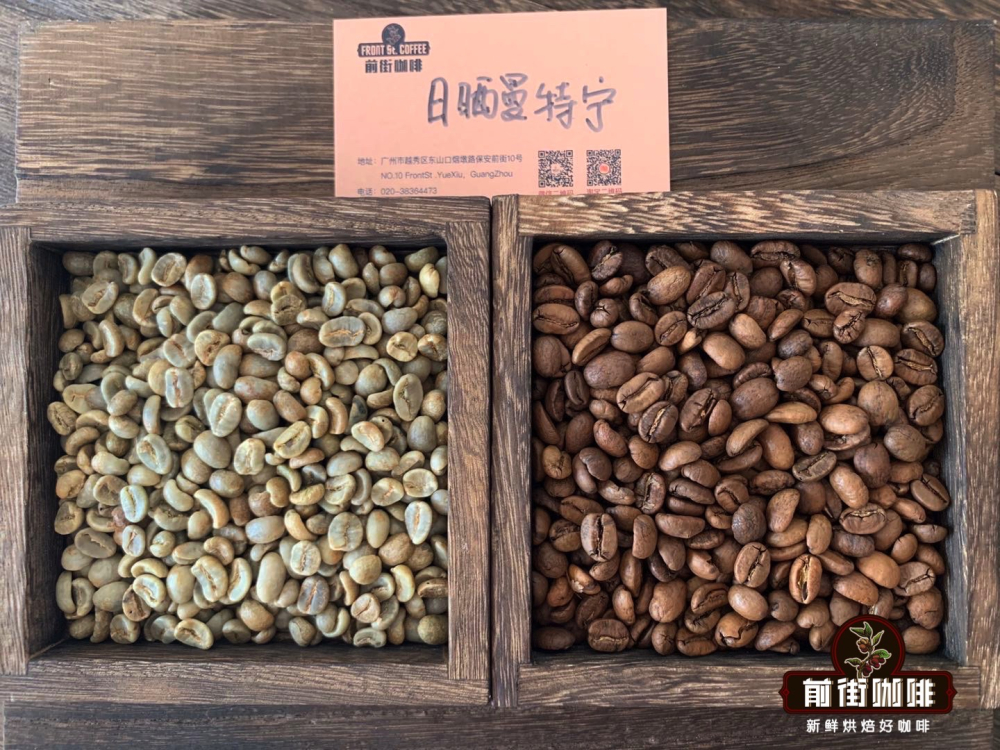
Recommended roast profile is as follows: charge temperature 170°C, yellowing point at approximately 5 minutes 10 seconds / 153°C, first crack begins at 8 minutes 12 seconds / 182.5°C, first crack development phase lasts about 4 minutes, and dropping at 201.3°C. This roast level helps bring out the sweetness and body of Blue Mountain coffee while maintaining a balanced acidity and sweetness.
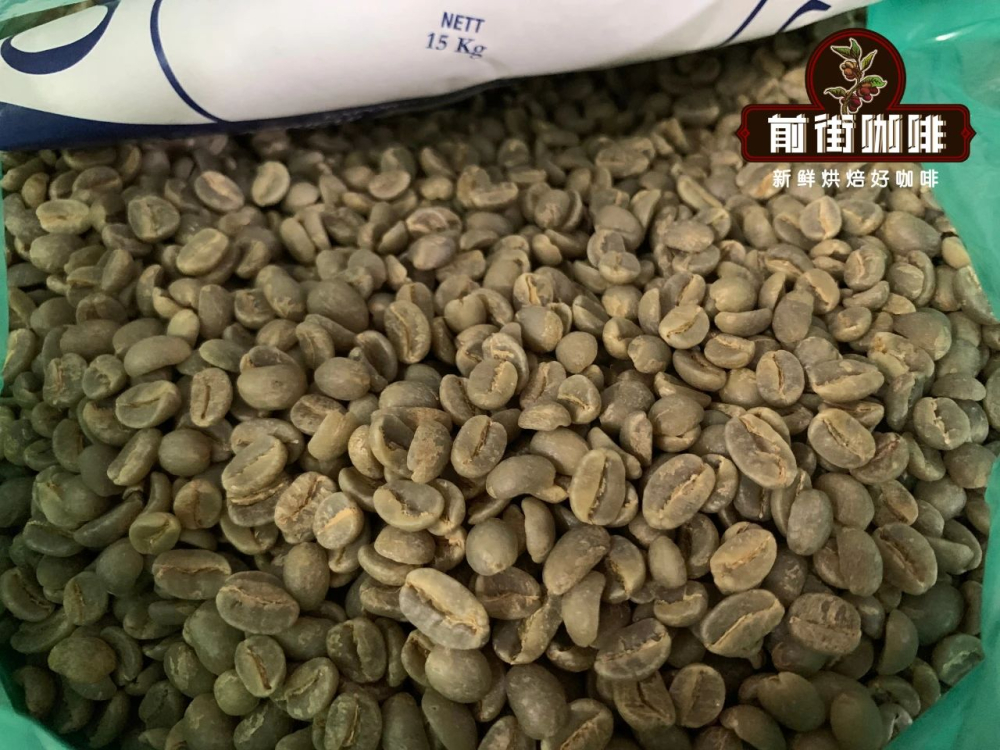
In terms of cupping performance, this Jamaica Blue Mountain No.1 coffee demonstrates extremely high purity and layering. The dry aroma features roasted peanuts, hazelnuts, melon, and chocolate; the wet aroma reveals gentle notes of oolong tea, caramel, honey, and almond skin, with a silky-smooth mouthfeel. Flavor-wise, the sweetness is pronounced, acidity is soft, bitterness is very low, and the aftertaste carries a long-lasting fruity note, making the overall profile very balanced and deep.
The Jamaica Blue Mountain No.1 coffee beans selected by a certain supplier come from the Clifton Farm in the Newcastle area, covering a total of 250 acres, with 180 acres dedicated to coffee cultivation at an altitude of 1,310 meters. This estate is managed by the Sharp family, uses 100% Typica variety, and is washed processed. Considering that Typica beans are relatively soft in texture and less heat-resistant, the supplier opts for a medium-dark roast to highlight its rich chocolate and caramel flavors while avoiding the smoky notes that can result from over-roasting.
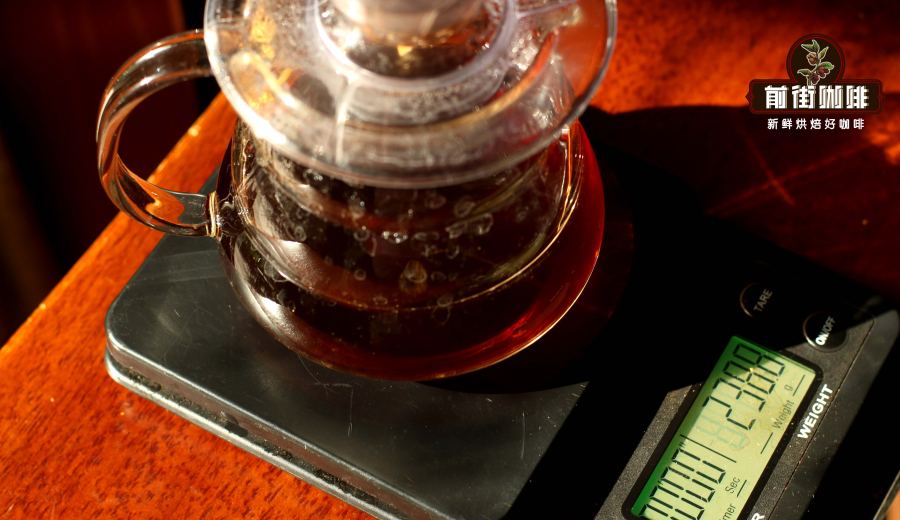
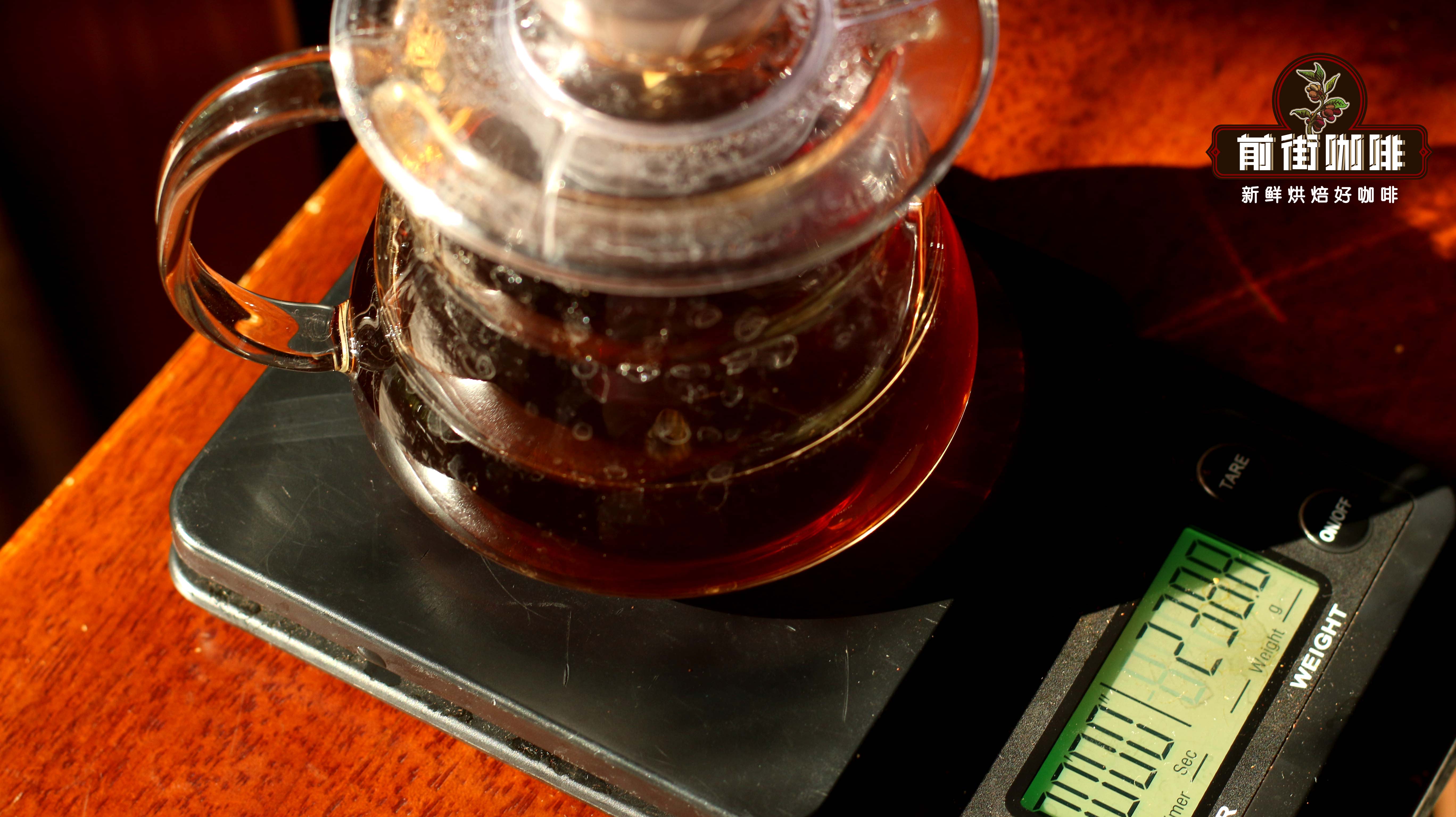
Practical hand pour-over brewing parameters:
- Filter: KONO
- Coffee dose: 15 grams
- Coffee-to-water ratio: 1:15
- Brew water temperature: 87°C
- Grind size: BG#5J (medium-fine)
- Total brew time: approximately 2 minutes
- Total yield: 225 grams
Flavor profile: Clean and smooth on the palate, with prominent chocolatey sweetness, soft and well-balanced acidity, and a long-lasting fruity aroma in the finish. The overall experience is mild yet layered, making it an excellent choice for experiencing the classic flavors of Blue Mountain coffee.
The above content is compiled by CoffeeHunters, a coffee news website.


