








Introduction:Choosing specialty coffee beans can often be overwhelming, and the flavor differences brought by various regions pose a significant challenge for beginners. This article takes you on an in-depth exploration of the unique flavor profiles of the three major coffee-growing regions—Africa, Central and South America, and Asia—from bright fruit acids to rich sweetness—and analyzes the impact of different processing methods to help you select the most suitable beans for pour over or brewing based on your personal taste preferences.
Stepping into a specialty coffee shop, the array of region names often leaves first-timers unsure where to start. However, once you grasp the basic flavor profiles and processing characteristics of each major region, you too can easily choose the beans that best suit your palate. This article will focus on the three primary coffee-producing regions—Africa, Central and South America, and Asia—to analyze their representative flavor expressions and processing differences, and provide practical bean selection references, so you’ll no longer be puzzled by the place names on the menu.

Today’s specialty coffee market is no longer limited to classic drinks like cappuccino or latte. More and more consumers are beginning to pay attention to single-origin coffees—beans from specific regions with unique terroir characteristics. Understanding the background and flavor profiles of these regions can give you more direction when ordering or purchasing, whether for personal brewing or as a gift, allowing you to better match your own taste preferences.
The definition of specialty (or single-origin) coffee beans lies not only in their clear origin but also in the pursuit of excellence in every aspect—from variety, growing environment, harvesting methods, to post-harvest processing. First, these beans must have no obvious defects and display highly distinctive and outstanding flavors. Second, most specialty coffees use specific premium varieties, such as traditional Bourbon or Typica, or region-specific heirloom varieties. Though these varieties may have lower yields, they can impart richer layers and unique aromas to the coffee.
The growing environment is also key to specialty coffee. High-altitude regions (usually above 1100 meters, even reaching 1500 meters or higher) offer large day-night temperature variations, moderate rainfall, and mineral-rich soil—all essential for creating profound flavors. In harvesting, specialty coffee emphasizes manual selection, picking only fully ripe coffee cherries to ensure consistency and purity of flavor. In post-harvest processing, whether it's washed, natural, or honey process, meticulous operations are required to bring out the most captivating traits of the beans. Finally, strict grading and stable storage and transportation processes are indispensable for maintaining specialty quality.

The main global regions for specialty coffee beans can be divided into three blocks: Africa, Central and South America, and Asia. Each area, due to its distinct geography, climate, and cultural conditions, produces coffee with uniquely characteristic flavors.
African Coffee: Bright Acidity, Bold Aromas
The most notable characteristics of African coffee are its vibrant fruit acidity and rich aroma profile. These coffees often feature citrus, berries, floral notes, and even honey-like finishes. However, due to the concentrated rainfall and challenges in water management in most African regions, many green beans are processed using the natural method, resulting in less uniform bean shapes and slightly higher defect rates. Even so, these beans often deliver a layered and complex taste experience.
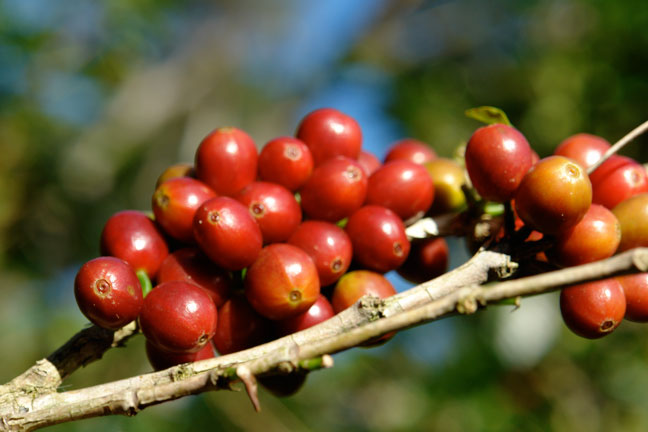
Kenya (Kenya)Renowned for its high-quality Arabica beans, especially the SL28 and SL34 varieties cultivated by the Scott Labs, which thrive in high-phosphorus soils and produce coffee with intense berry acidity and unique wine-like notes. Kenya AA is the highest grade, often featuring wine-like acidity, cherry sweetness, and lingering notes of black plum and cane sugar—ideal for those who enjoy bright acidity and complex flavors.
Ethiopia (Ethiopia)Is considered one of the birthplaces of coffee, boasting over 2000 native and introduced varieties, resulting in unparalleled flavor diversity. Yirgacheffe and Sidamo are the most famous regions. The former often exhibits citrus, lemon, floral notes, and a silky mouthfeel, while the latter is known for its gentle sweetness and pronounced fruity aromas. Due to its variety diversity, Ethiopian beans often vary in size, and both washed and natural processing methods lead to distinctly different flavor directions.
For example,Washed YirgacheffeTypically has greenish raw beans with more silverskin, and flavors dominated by clear citrus and lemon notes; whereasNatural Yirgacheffe (日曬耶加)Appears yellow-green with less silverskin, often carrying fermented wine-like aromas and intense tropical fruit notes. Regardless of the processing method, Ethiopian coffee always showcases a unique regional soul.
Central and South American Coffee: Balanced Acidity and Sweetness, Uniform Bean Shape
Coffee from Central and South America is known for its balanced acidity and sweetness, along with mild aromas—making it the easiest flavor type for many coffee beginners to appreciate. Coffees in this region are generally processed using the washed method, with more consistent bean shapes, low defect rates, and are ideal for those seeking stable flavor profiles. The region includes countries such as Colombia, Costa Rica, El Salvador, and Guatemala, each showcasing subtle regional characteristics due to differences in altitude, microclimate, and varieties.
Colombia (Colombia)Is a globally renowned producer of high-quality Arabica, mainly grown on the steep slopes of mountain foothills at altitudes between 800 and 1900 meters, and is famous for hand-picking and washed processing. The central and southern “MAM” regions (comprising Medellín, Armenia, and Manizales) produce coffee that is balanced and mellow, with notes of nuts, caramel, and gentle fruit acidity. Meanwhile, high-altitude southern regions like Cauca, benefit from cool nights and slow growth at elevation, yielding specialty beans with elegant acidity and rich sweetness.
El Salvador (El Salvador)Excels in shaded cultivation and unique varieties, among whichPacamara (帕卡馬拉)Is a large-bean variety resulting from a cross between Pacas and Maragogipe. It often features complex aromas of cream, passionfruit, strawberry, and nuts, with a round and layered mouthfeel. Coffee from this country is mostly washed-processed, showcasing a pure and gentle balance of acidity and sweetness—perfect for brewers who prefer milder flavors.
Asian Coffee: Full-bodied, Low Acidity, Rich Flavors
Coffee from Asian regions generally features low acidity, full body, and earthy and spicy characteristics, closely related to the local hot and humid climate and low-altitude cultivation environment. Coffees from Indonesia’s Java, Sumatra (such as Mandheling), and Vietnam often undergo the wet-hulled (giling basah) process, resulting in intense herbal, earthy, and smoky aromas—suited for those who prefer dark roasts or bold flavors.
Although this article does not delve deeply into Asian regions, it’s worth mentioning that coffee from this area often plays a stabilizing base role in blends, adding depth and richness to the overall flavor.
In summary, whether you’re a beginner in pour over or a coffee enthusiast searching for specific flavor profiles, understanding the unique characteristics of these three major regions can help you choose beans that better match your taste. From the fruity vibrancy of Africa, to the balanced elegance of Central and South America, to the full-bodied depth of Asia—each coffee bean carries the terroir memory of its land, waiting for you to fully unlock its flavors with the right water and brewing method.
The above content is compiled by CoffeeHunters, a coffee news website.


