








Introduction:Yirgacheffe, as one of Ethiopia’s most iconic coffee-growing regions, is renowned for its distinctive floral notes and citrus acidity, making it a starting point for many beginners exploring specialty coffee. This article delves into how Yirgacheffe’s geographical environment and processing methods influence its flavor profile, and features four representative coffees—from washed to natural sun-dried, to SOE espresso—helping readers choose the Yirgacheffe beans that best suit their taste preferences and brewing methods.
When it comes to Ethiopia, Yirgacheffe is often the first name that comes to mind for most coffee enthusiasts. This renowned region, located in the western highlands of Ethiopia, has won the hearts of global coffee lovers with its unique white floral aromas and bright lemony acidity. It is not only a top choice for many beginners stepping into the world of specialty coffee but also an important benchmark for advanced enthusiasts exploring regional flavor profiles.
In the past, regardless of where the coffee came from, most beans on the market were heavily roasted, leading many to associate coffee with bitterness and astringency. However, with the rise of the "specialty coffee" concept around the turn of the millennium, Yirgacheffe, with its bright, clean acidity and fruity-floral aromas, gradually changed the public’s stereotypical perception of coffee, becoming a daily favorite for many.

To understand the charm of Yirgacheffe, we must start with its growing environment and processing methods. Ethiopia is not only considered the birthplace of coffee but also boasts a rich genetic diversity of coffee and a diverse smallholder farming system. The majority of the country consists of highland terrain, with elevations generally exceeding 1,800 meters, coupled with significant day-night temperature variations, providing ideal conditions for sugar accumulation and flavor development in coffee cherries.
Coffee is not only an important cash crop in the region but also part of the local culture. Many families grow coffee on a small scale around their homes. After harvest, the cherries are sent to nearby processing stations for initial processing, then sold under the name of cooperatives or processing mills. This small-scale farming and processing model has also contributed to the diverse and layered flavor expressions of Yirgacheffe coffee.
For coffee enthusiasts of all levels, we have selected four classic representative beans from the Yirgacheffe region, each suitable for beginners, advanced drinkers, and those looking to further challenge the boundaries of flavor.
[Beginner’s Pick] Washed Yirgacheffe: Fresh Citrus and Tea-like Notes
For those just starting out with pour over coffee or specialty coffee, washed Yirgacheffe is an extremely representative entry-level choice. This coffee undergoes traditional washed processing, showcasing pronounced floral aromas and citrus acidity, with a tea-like finish. Its clean profile and easy drinkability make it perfect for practicing various brewing parameters and techniques, while also allowing you to experience the classic flavors of Yirgacheffe at a reasonable price.
[Advanced Choice 1] Natural Red Cherry: Rich Fruit Aromas and Light Fermentation Notes
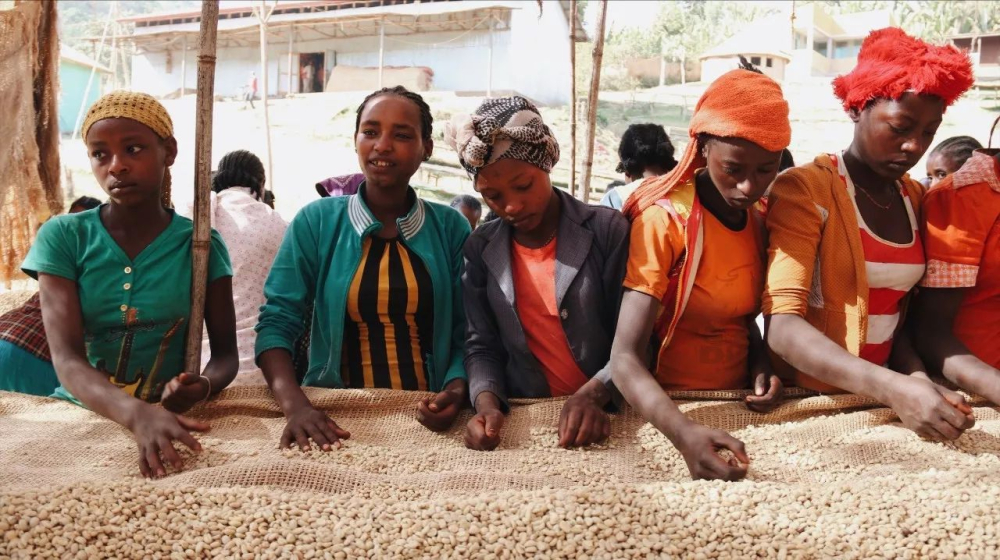
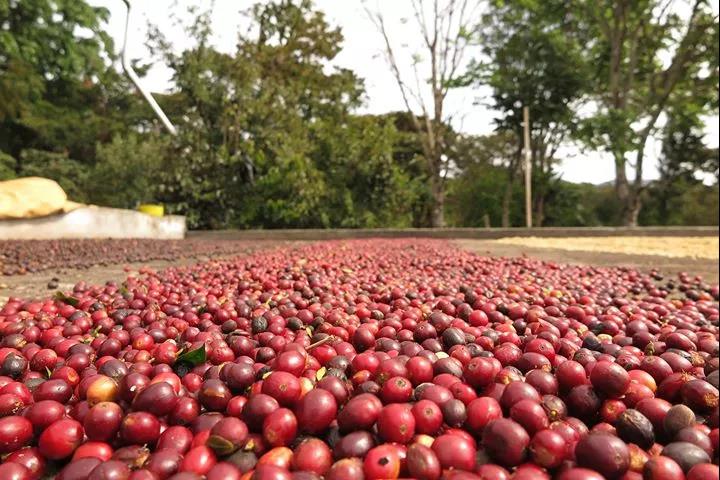
If you’re already familiar with basic coffee flavors and want to explore more complex layers, try the natural red cherry. This coffee is processed using the traditional natural (sun-dried) method, allowing the coffee cherries to slowly dry in the sun, preserving the natural sugars in the fruit pulp. This results in intense berry, citrus, and apricot aromas, accompanied by a slight fermentation note. This processing method gives the coffee a rounder mouthfeel and fuller sweetness, making it ideal for those who enjoy fruity flavors and bold body.
[Advanced Choice 2] Washed Guji Dingding: Bright Acidity and Oolong Tea Notes
To enhance the stability of coffee flavor, Ethiopia introduced Central and South American washed processing techniques, which were applied to the Guji Dingding cooperative in the Yirgacheffe region. The washed process removes the skin and mucilage, resulting in a cleaner cup that highlights bright white floral and citrus acidity, along with berry notes and a gentle oolong tea finish. This style not only helps Yirgacheffe stand out from the Sidamo region but also establishes its international status as an independent producing area.
[Breakthrough Choice] Yirgacheffe SOE: Espresso-Specific with Creamy Aroma
Finally, for advanced players looking to deeply explore the espresso potential of Yirgacheffe, Yirgacheffe SOE is a must-try. This coffee is carefully selected from fully ripe, red-harvested sun-dried cherries within the region, offering a rich fruit profile and a creamy, silky texture. When brewed as espresso, it showcases clear notes of lemon, citrus, and black tea, making it particularly suitable for making Americano or Flat White. It’s an ideal choice for further exploring the espresso potential of Yirgacheffe.
In summary, whether you’re a beginner or an experienced coffee enthusiast, Yirgacheffe offers a diverse range of flavor experiences. From the freshness of washed, the richness of natural, to the espresso potential of SOE, each has its own unique charm. Choosing Yirgacheffe beans that suit your taste and brewing method will make your coffee journey richer and more surprising.
The above content is compiled by CoffeeHunters, a coffee news website.


