







Introduction:Delve into the varietal evolution of Yunnan small-bean coffee, from the traditional Typica to the mainstream Catimor. Analyze the characteristics of each variety, the differences among the four core growing regions, and the critical impact of sun-dried and washed processing methods on flavor. Practical roasting parameters and cupping notes are provided to help coffee enthusiasts choose the right Yunnan beans.
Although Yunnan small-bean coffee is commonly referred to generically in the market, it originally belonged to the Typica variety. However, due to the Catimor variety’s advantages of strong disease resistance and high yield, over 99% of coffee farms in Yunnan now grow Catimor, making it the de facto representative of "Yunnan small-bean coffee." This shift is the result of a combination of economic benefits and market demand.
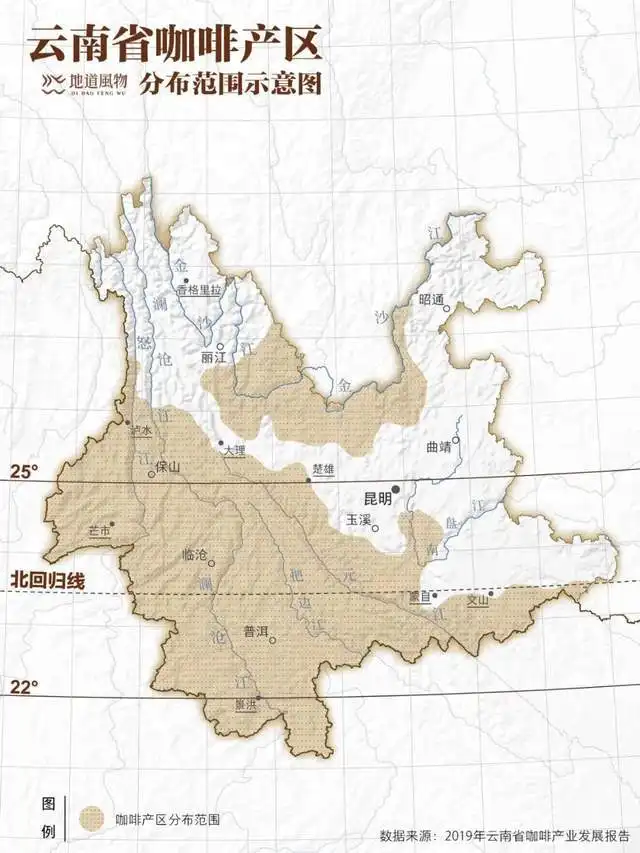
Yunnan’s main coffee-growing regions are concentrated in the southwest, including four key areas: Lincang, Baoshan, Pu'er, and Dehong. Each region imparts unique flavor characteristics to the coffee beans due to differences in altitude, climate, and processing methods.
Located in the southwest of Yunnan, Lincang borders Pu'er, Dali, and Myanmar, with an average annual temperature of about 16.8 to 17.2°C, distinct dry and wet seasons, and abundant sunshine, providing an excellent environment for coffee growth. This area has its own estates and launched its first self-produced sun-dried Typica coffee beans in 2021.
The history of coffee cultivation in Yunnan dates back to 1952 in the Baoshan region, where coffee grown at high altitudes was even once praised as comparable to Jamaican Blue Mountain. Baoshan not only has over 60 years of coffee-growing history but is also recognized as one of the "best coffee-growing regions in Asia," with its coffee production accounting for over 95% of the national total and exports reaching 60,700 tons, ranking first in the country.
Initially, the coffee planted in Yunnan was mainly Typica, a classic Arabica variety originating from Ethiopia with reddish-brown top leaves, commonly known as "red-top coffee." Although Typica is considered a specialty coffee variety, it has low yields and is susceptible to rust disease, requiring high-cost management. With the introduction of Catimor, which offers high yield and disease resistance, it gradually replaced Typica as the mainstream variety.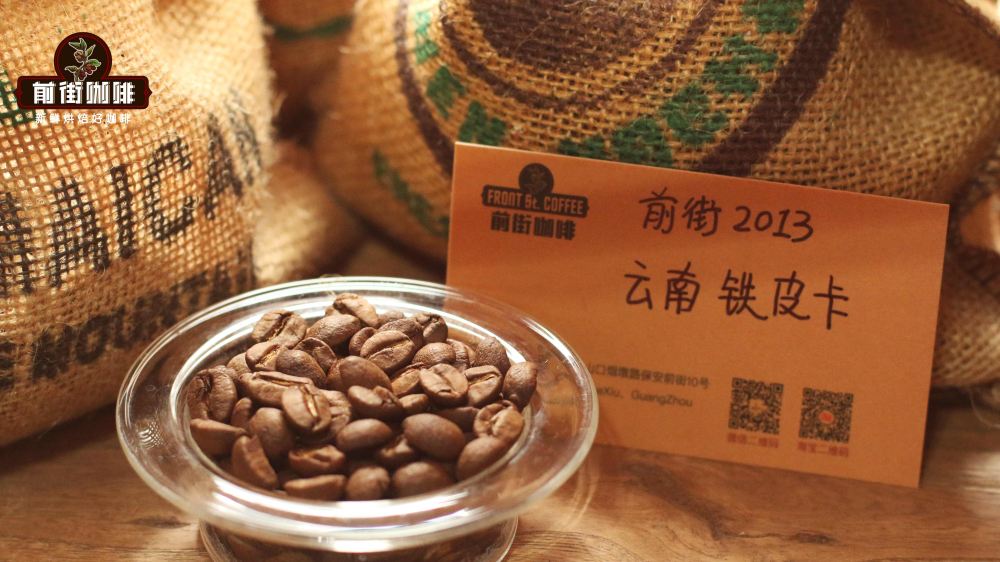
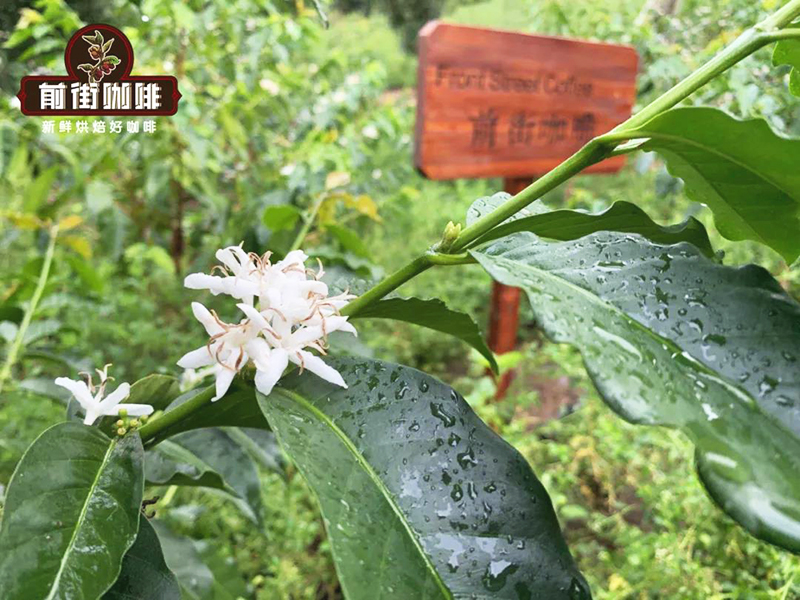
Catimor is actually a hybrid of the Timor variety (containing 25% Robusta genes) and Caturra, which results in relatively mild flavors, often accompanied by noticeable bitterness, astringency, and even musty notes. In contrast, both Typica and Bourbon are traditional Arabica varieties; the former is known for its high quality, while the latter is prized for its rich aroma. Bourbon has green-tipped buds, also called "green-top coffee," but it similarly faces issues of low yield and weak disease resistance.
Processing methods have a profound impact on coffee flavor. Washed processing delivers a cleaner taste, involving steps such as flotation, removal of pulp and flesh, fermentation to remove mucilage, and finally sun-drying to achieve a moisture content of 11–13%. Sun-dried processing, on the other hand, retains more fruity aromas, requiring the coffee cherries to be directly exposed to the sun for about 3–4 weeks until the moisture content drops to 11%. The 2021 sun-dried Typica from this region was processed using this method, showcasing a rich array of Asian herbal and fruity layers.
Taking the washed Catimor from the Baoshan region as an example, its roasting record shows: an entry drum temperature of 190°C, with gradual adjustments to airflow and heat, developing for 3 minutes after first crack, and dropping at a final temperature of 198°C. Cupping results reveal a smooth mouthfeel, with Asian herbal aromas, vibrant acidity, and a black chocolate finish, transitioning to brown sugar notes as it cools.
The sun-dried Typica beans, on the other hand, exhibit distinctly different characteristics. Typica grown at an altitude of 1,300 meters in the Lincang region, after sun-dried processing, presents in cupping a rich array of fruity aromas, melon, and herbal notes, with mid-palate flavors of nuts and milk chocolate, a bright plum acidity in the finish, and an aftertaste with tones of black tea and brown sugar.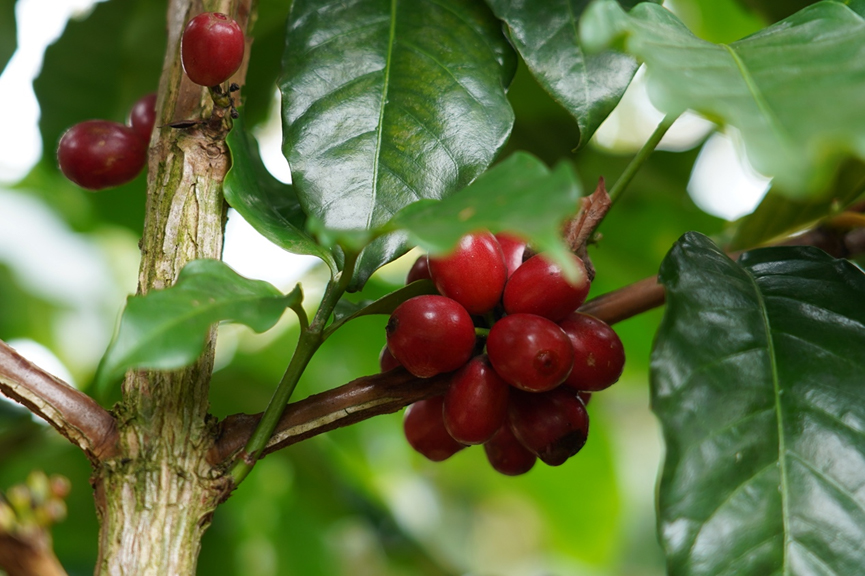
For actual brewing, it is recommended to use a V60 filter, with water temperature at 90–92°C, medium-fine grind (57% passing through a #20 sieve), and a 1:15 coffee-to-water ratio. A step extraction method can highlight the pronounced fruit acidity and aroma of Yunnan beans. When served hot, enjoy the nutty and caramel notes, and as it cools, experience the evolving layers of sweet and sour complexity.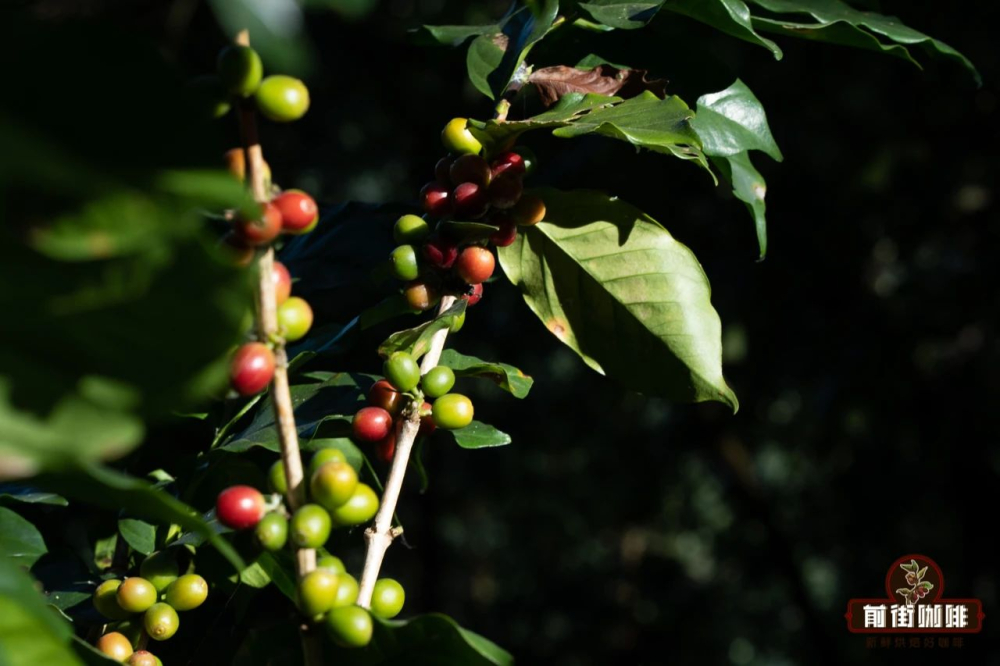
In summary, the transition of Yunnan small-bean coffee from Typica to Catimor reflects a balance between market demand and economic efficiency. By understanding the characteristics of each variety, regional differences, and the influence of processing methods, coffee enthusiasts can more accurately select Yunnan coffee that suits their taste preferences and experience its diverse flavor profile, ranging from fruity brightness to rich body.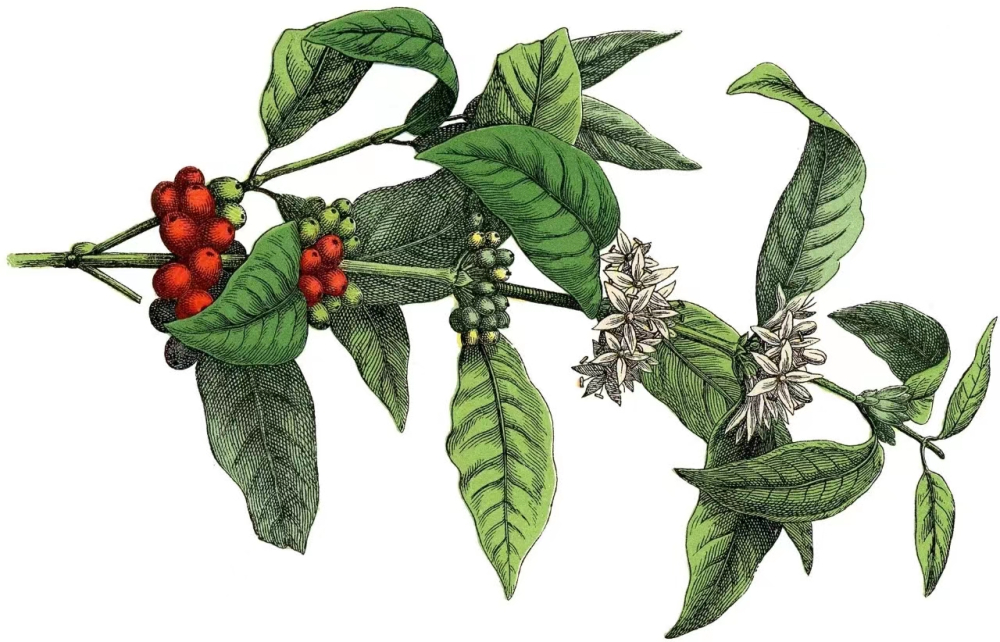

The above content is compiled by CoffeeHunters, a coffee news website.


