







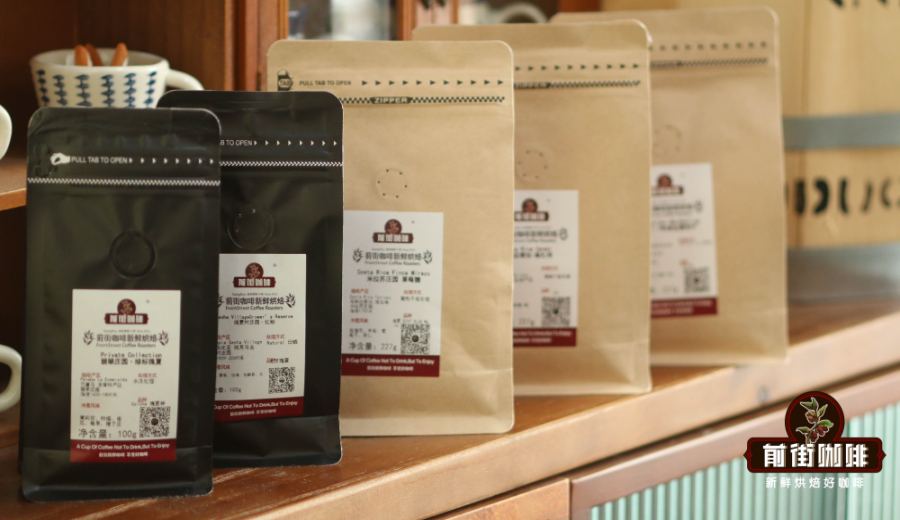
Introduction:The Panamanian Las Rocas Volcanic Rock Geisha, part of the Emerald Estate’s new Blue Label grade, is renowned for its delicate floral and fruity notes and honey-like sweetness. This article provides an in-depth analysis of its varietal origins, bean characteristics, and flavor profile, along with a professional pour over brewing guide. From dosage, grind size, water temperature to pour techniques, it will help you master the golden parameters of a 1:16 coffee-to-water ratio and 91°C water temperature, allowing you to effortlessly extract its bright acidity and rich aftertaste.
Geisha coffee has long been hailed as one of the finest gems in the specialty coffee world, and the Geisha from Panama’s Las Rocas volcanic region has become a focal point of market attention. Though not the top-tier Red Label from the Emerald Estate, this coffee, labeled as "New Blue Label," still maintains extremely high quality. Many coffee enthusiasts purchase it during shopping festivals such as Double Eleven, but due to improper brewing methods, they often fail to fully experience its potential. This article will start with the variety’s background and gradually break down how to unlock its unique flavors through precise pour over techniques.
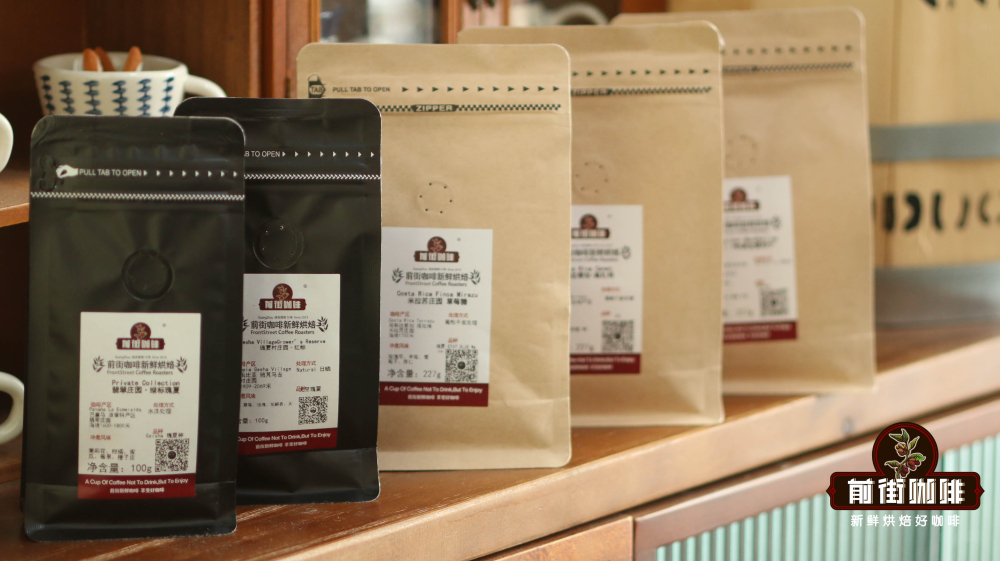
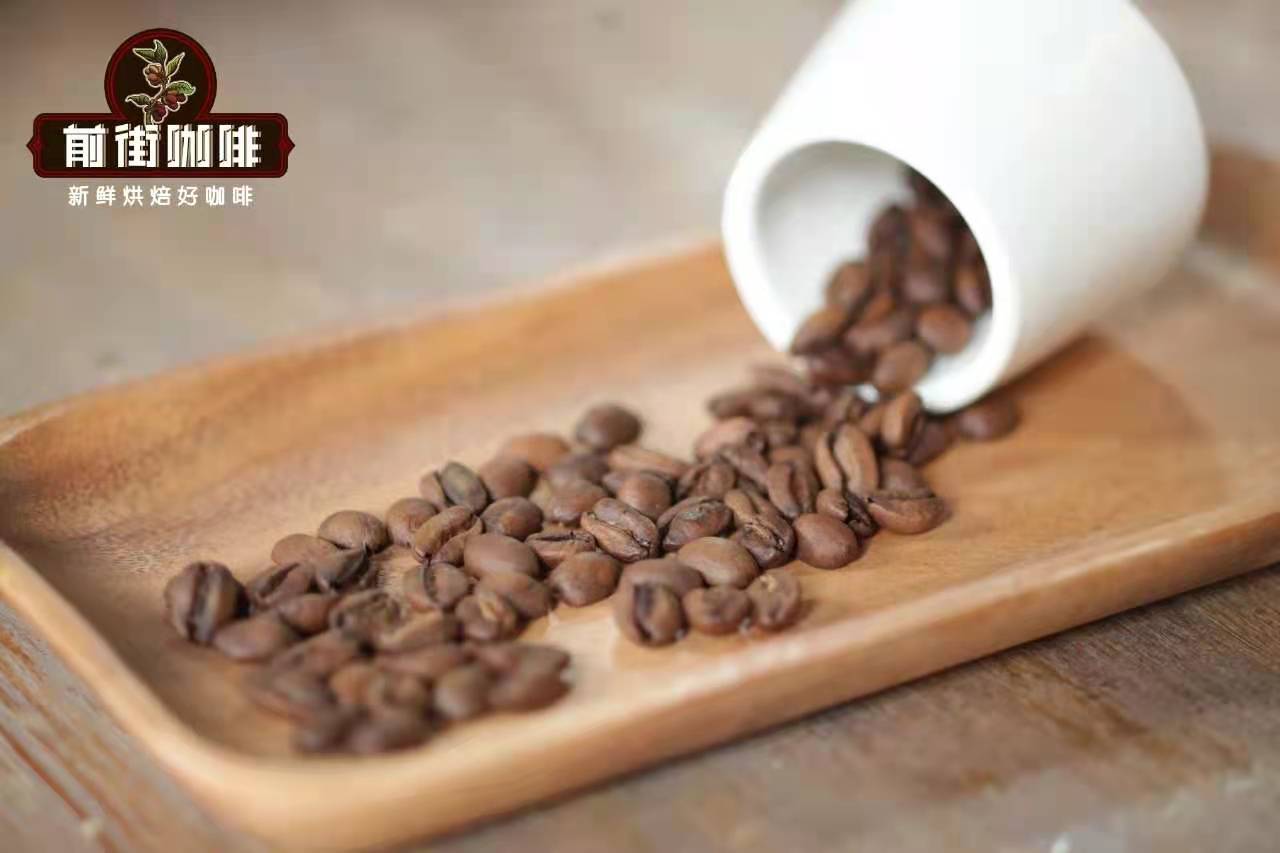
The Geisha (Geisha) variety actually originates from Ethiopia and is considered one of the classic Arabica lineages alongside the more common Typica and Bourbon. Interestingly, the name was originally a transliteration of the Japanese word for “geisha,” later becoming a specialized term in the coffee industry. The breakthrough moment that truly made Geisha famous was when the Emerald Estate won the BOP (Best of Panama) competition with this variety, establishing its status as the “new nobility” of coffee. Compared to typical commercial beans, Geisha not only features more distinctive floral and fruity profiles, but also has highly recognizable bean shapes—slender at both ends and plump and round in the middle. After roasting, it often emits subtle floral aromas.
In terms of flavor performance, high-altitude cultivated Geisha exhibits three main characteristics: First, its dense and hard bean structure requires a higher water temperature for full extraction; second, it offers a bright acidity with a refreshing citrusy sensation, similar to the lively zing of lime or lemon; third, it presents a rich spectrum of sweetness, ranging from honey-like viscous sweetness to the gentle lingering taste of brown sugar. Additionally, the aftertaste often carries elegant notes reminiscent of green tea, oolong, or jasmine tea, which is also a key differentiator from other specialty beans.
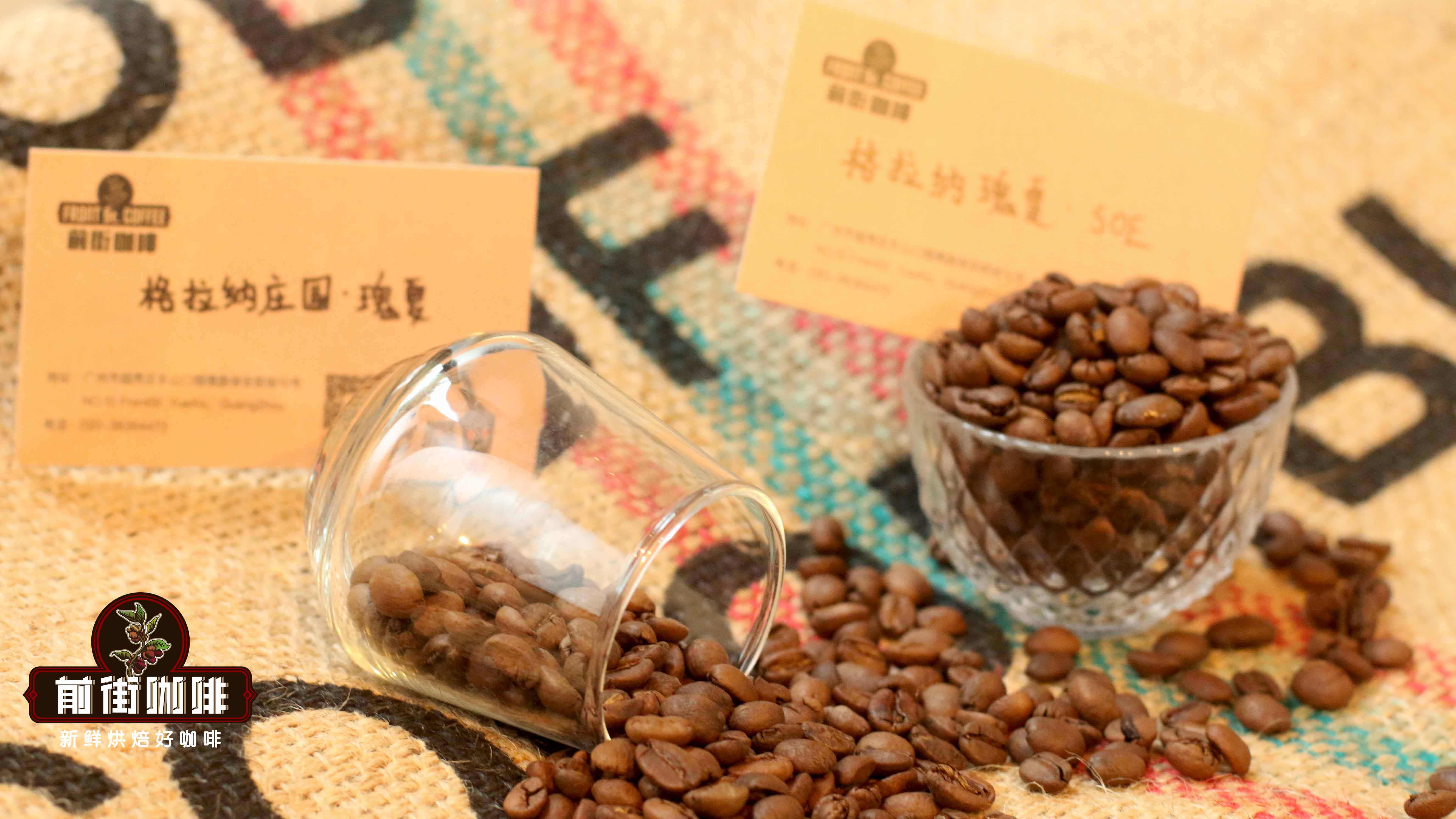
For the Panamanian Las Rocas Volcanic Rock Geisha (i.e., New Blue Label grade), it is recommended to enjoy its refined flavors via pour over. A set of parameters that have proven effective are as follows: use 15 grams of coffee grounds with a Hario V60 #01 filter, set the grind size to 78% passing through a 20-mesh sieve, which is equivalent to a medium-coarse grind. This setup helps avoid issues such as sedimentation of the coffee bed or clogging of the filter holes due to the bean’s hard density. The recommended coffee-to-water ratio is 1:16, with a total water volume of 240 milliliters, balancing extraction efficiency and concentration (ideal range: 1.15%–1.25%). Water temperature should be controlled at 91°C, which highlights vibrant acidity without over-extracting and causing bitterness.
The specific brewing process is divided into three stages: First is the blooming phase, where 25 milliliters of hot water is poured and allowed to sit for 30 seconds. Given the compact nature of the Geisha beans, 25 milliliters is sufficient to evenly saturate the coffee bed; adding more water would only waste resources. It is recommended to pour in a gentle, steady circular motion from the center outward. After blooming, move on to the main extraction phase: the first pour involves adding 120 milliliters of water, following a “mosquito coil” path, moving from the inside out in circles to lift the coffee bed. This process takes about 1 minute. Observe the rate at which the water level drops; it should normally reach halfway down the filter, forming a natural “bowl-shaped” indentation, within 1 minute and 10 to 15 seconds.
The final stage involves pouring 90 milliliters of water, using a circular path with a radius of about half the surface area to ensure even saturation. This stage should take approximately 25 seconds, with the total extraction time ideally controlled between 2 minutes and 2 minutes 5 seconds. With this parameter combination, the floral and fruity aromas of the Geisha can be significantly enhanced—bright notes of passionfruit and citrus can be detected upon opening the cup, while honey-like sweetness and tea-like aftertastes unfold layer by layer upon tasting. The overall mouthfeel is clean, smooth, and refreshing, with a long-lasting finish.
For coffee enthusiasts trying Geisha for the first time, here are a few common pitfalls to watch out for: Firstly, avoid grinding too finely, as this can lead to over-extraction and bitterness; secondly, maintain a steady pour speed to ensure uniform extraction; finally, ensure precise control of water temperature—too high may result in sharp acidity, while too low could suppress aroma release. By keeping these points in mind, you can brew a Geisha at home with a quality close to that of a café-level experience.
The above content is compiled by CoffeeHunters, a coffee news website.


