








Introduction:An in-depth exploration of the red honey-processed G1 coffee beans from Ethiopia’s Yirgacheffe Idido region, covering everything from the origin background and the Red Cherry Project to the honey processing method, with a comprehensive analysis of its flavor profile. Practical pour over brewing recommendations are provided, including grind size, water temperature, coffee-to-water ratio, and step-by-step details, helping you master this specialty coffee bean with its prominent citrusy and honey-like aromatic qualities.
These red honey-processed G1 coffee beans from the Idido Cooperative in Ethiopia’s Yirgacheffe region demonstrate rich floral, fruity notes, and honey sweetness through the strict harvesting standards of the Red Cherry Project. Cupping often reveals layered aromas of jasmine, citrus, berries, and honey—flavor characteristics many pour over enthusiasts aspire to. This article will take you through the origin environment, processing techniques, roasting profile, and practical pour over parameters, giving you a complete understanding of the craftsmanship and brewing essentials behind this specialty coffee.
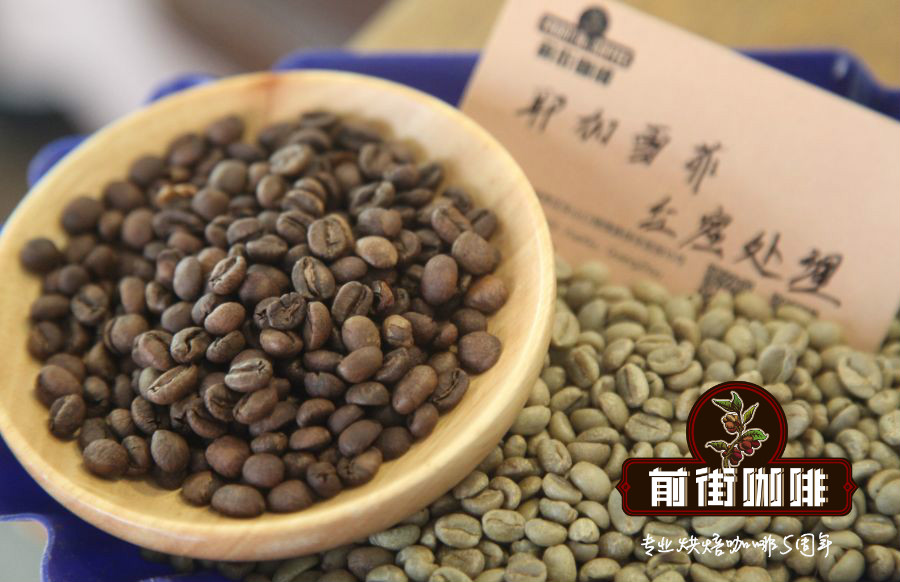
Overview of the Yirgacheffe Idido Region
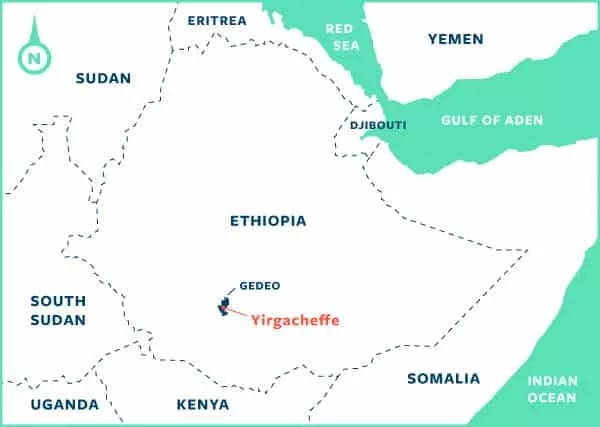
Yirgacheffe is a renowned coffee town in Ethiopia’s Gedeo Zone in the southern part of the country, situated at an altitude of 1700 to 2100 meters above sea level, making it one of the highest-altitude specialty coffee producing regions in the world. The area enjoys a cool and moist climate, nourished by the moisture from Lake Turkana, Lake Abaya, and Lake Chamo, providing ideal conditions for coffee growth. The Idido Cooperative is located east of the town of Yirgacheffe and serves as a key coffee collection and processing hub in the region.
Background of the Idido Cooperative
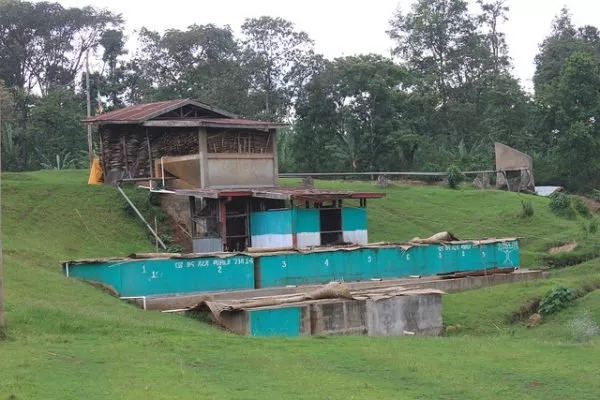
Established in the late 1970s, the Idido Cooperative joined the Yirgacheffe Farmers’ Cooperatives Union in 2002. The cooperative covers eight surrounding villages (kabeles), including Wegida, Aricha, and Direto, and has over 1000 members. Coffee farmers hand-pick coffee cherries on a family basis and deliver them to the cooperative processing facility for further treatment, ensuring that each batch reflects the uniqueness of the local microclimate and cultivation conditions.
The Original Intent and Impact of the Red Cherry Project
The ‘Red Cherry Project’ (ORC) was launched in 2007 by the major Dutch green coffee trader Trabocca, with the aim of improving coffee quality at the source among Ethiopian smallholder farmers. The project requires participating farmers to harvest only 100% fully red-ripe coffee cherries, which must be hand-sorted to ensure consistent ripeness. This not only enhances the purity of the coffee's flavor but also provides farmers with greater economic returns during the selection and grading process. The Red Cherry Project spans multiple well-known regions such as Yirgacheffe, Sidamo, and the Pungo Forest, covering washed, natural, and experimental processing methods, and is the driving force behind many high-end specialty beans.
Analysis of the Honey Processing Method
This Yirgacheffe Idido G1 coffee bean is processed using the red honey method. Honey processing refers to a technique where, after removing the coffee fruit pulp, a portion of the mucilage is retained and the beans are sun-dried. Compared to washed processing, honey processing retains more sugars and fermentation-derived flavors. Generally, yellow honey retains about 60% of the mucilage, red honey retains up to 75%, and black honey removes almost none. Red honey-processed coffees typically exhibit a richer sweetness, berry-like tones, and a full-bodied mouthfeel, making them a favorite among many pour over enthusiasts.
Green Bean Characteristics and Variety Diversity
These coffee beans use Ethiopian native varieties. With nearly 2000 coffee varieties in the country (1927 of which are native), the appearance of the green beans varies greatly in size and shape, possibly appearing slender or round. This diversity is also reflected in their complex flavor profiles, representing Ethiopia’s unique genetic coffee treasure.
Roasting Curve and Parameters
This batch of coffee beans was roasted using a Yangjia 800N roaster with a capacity of 550 grams. The charge temperature was set at 180°C, with an initial flame power of 130 and a damper opening of 3. The turning point occurred at approximately 1 minute and 32 seconds. When the drum temperature dropped to 146°C, the damper was adjusted to 4, and at 149°C the bean surface turned yellow, marking the end of the drying phase as grassy notes faded. At 166°C, the flame power was reduced to 110 while the damper remained unchanged. Around 7 minutes and 43 seconds, the bean surface began to show wrinkles and dark spots, entering the pre-first crack stage, with the aroma shifting to roasted grains and distinct coffee notes. First crack began at 8 minutes and 29 seconds, at which point the damper was opened to 5, and first crack development was extended for 1 minute and 28 seconds, with the beans finally dropped at 190°C. The Agtron bean color value was 64.8, the parchment value was 81.5, and the Roast Delta value was 16.7, indicating a medium-light to medium roast that preserves rich floral and fruity notes along with moderate sweetness.
Cupping Flavor Profile
During cupping, this red honey-processed bean displayed pronounced aromatic layers of jasmine, citrus, honey, and berries, with an almond-like nuttiness in the aftertaste. The overall balance and layering were excellent. The sweetness stood out, the acidity was bright, representing a classic high-altitude Yirgacheffe flavor profile.
Pour Over Recommendation Parameters and Practical Tips
To fully showcase the flavor potential of these beans, pour over brewing is recommended. The suggested equipment is a V60 filter cone, with water temperature controlled at 90°C, a coffee-to-water ratio of 1:15, and a medium-fine grind size, similar to the coarseness of fine sugar (approximately 58% passing rate through a Chinese standard No. 20 sieve, or BG 5R). For specific operation, a staged extraction method can be used: start with a 30-second bloom using 28 grams of water, then pour in a circular motion up to 120 grams for the first pour. When the water level drops and is about to expose the coffee bed, continue pouring up to 230 grams, then remove the filter cone. The total extraction time is approximately 2 minutes and 11 seconds. Controlling the pouring speed and maintaining stable water flow helps improve extraction uniformity and avoid over-extraction or excessive acidity.
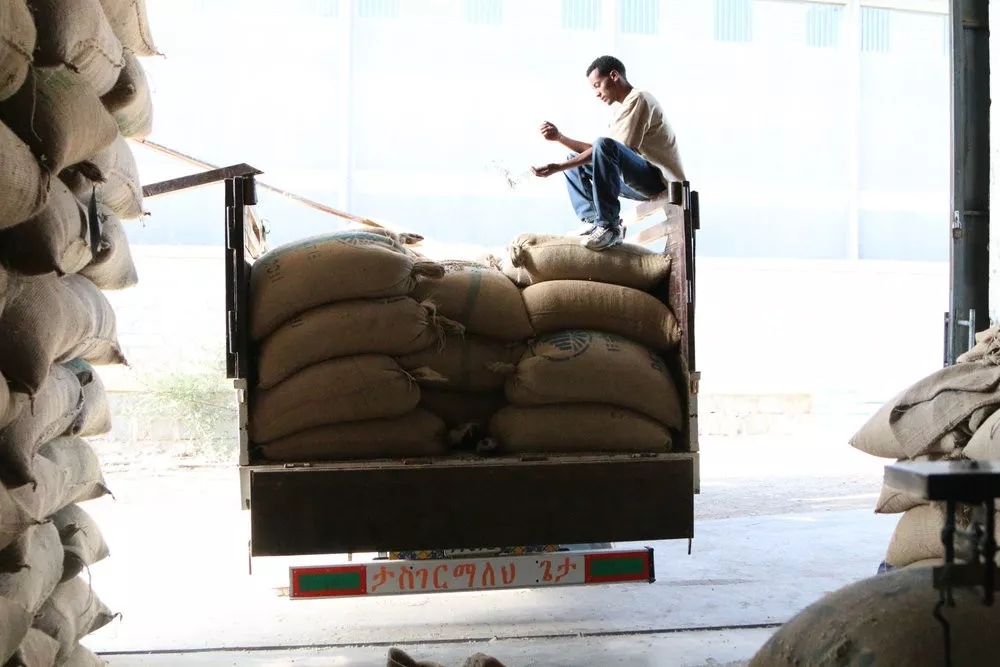
In actual brewing, this coffee offers a gentle ginger flower aroma on the nose. The first sip presents a refreshing acidity of citrus and lemon paired with a candy-like sweetness. The mid-palate reveals delicate cedar notes and the smooth sweetness of honey, while the aftertaste leaves a lingering oolong tea-like finish with a soft creamy sensation. The overall flavor is long-lasting and memorable.
The above content is compiled by CoffeeHunters, a coffee news website.


