







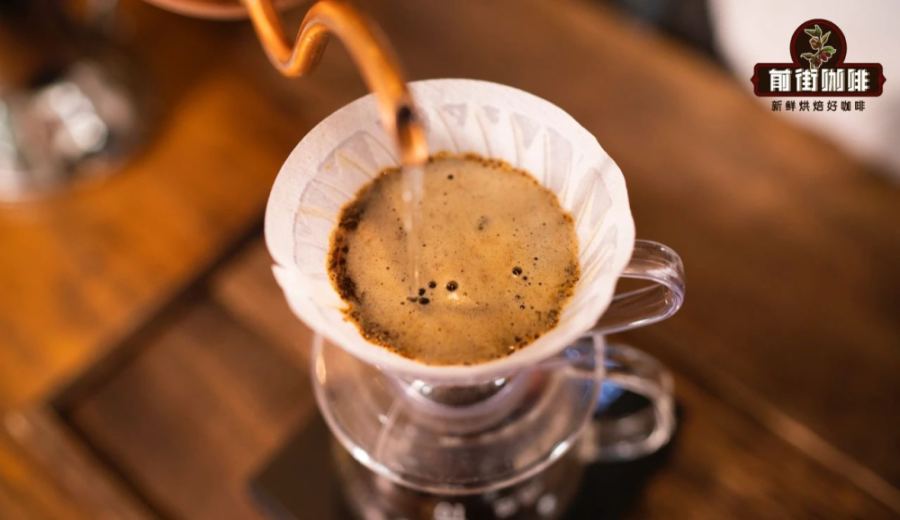
Introduction:The French press and siphon (vacuum) pot are two classic immersion-style coffee brewing devices. The former is simple and intuitive, perfect for everyday use, while the latter offers a highly ritualistic experience with uniquely distinct flavors. This article delves into the working principles and key parameter settings of both, and provides a practical comparison and purchasing advice in terms of taste profile, ease of cleaning, and suitable usage scenarios—helping coffee enthusiasts find the brewing method that best suits their needs.
Among the many coffee brewing methods, the French press and siphon pot are often compared by beginners due to their distinctly different operating logic and flavor presentation. Although both are immersion brewing methods, the resulting coffee actually shows clear differences in terms of clarity, body, and flavor complexity. This article will start from real-world usage experience, detail the design, operation steps, and key parameters of the French press, then explore in depth how the siphon pot achieves extraction through the principle of thermal expansion and contraction. Finally, it compares the drinking experience and applicable scenarios of the two, assisting you in making the right choice based on your needs.
When it comes to coffee brewing tools, the market offers everything from pour over to cold brew, from moka pot to AeroPress, each with its own characteristics. If we’re just talking about ease of operation,the French press is arguably one of the most beginner-friendly options—you only need to control water temperature, grind size, and steeping time to brew a rich cup of black coffee in just a few minutes. In contrast,the siphon pot is not only more complicated in steps, but also requires more effort in preparation and cleanup afterward, which often deters beginners due to its higher learning curve. However, do these two brewing methods really produce such vastly different coffee flavors? Let’s break it down from principles to actual taste.
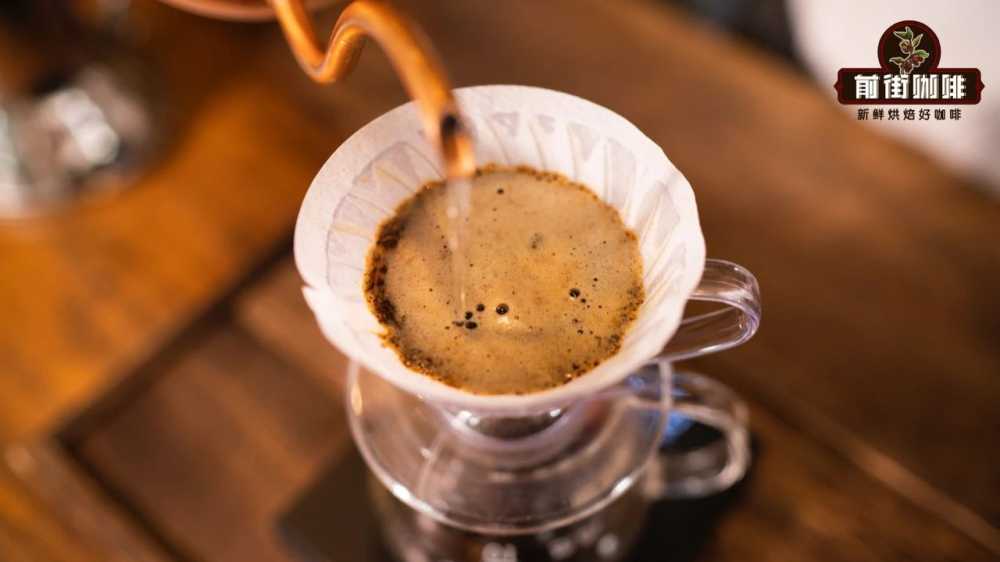
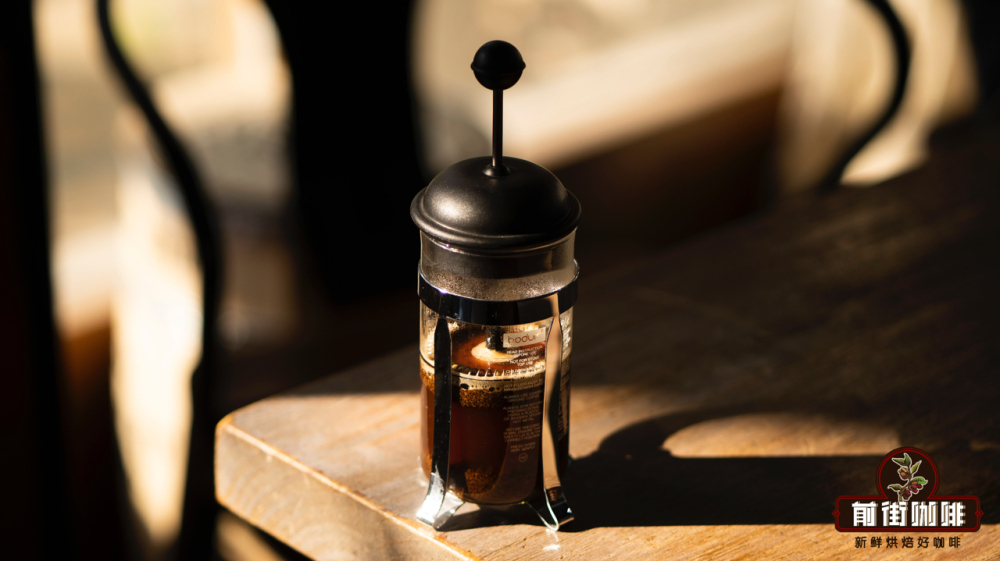
The French press, also known as a coffee plunger, originated in France. Its classic design consists of a cylindrical metal or glass carafe paired with a movable metal filter. To brew, users place coarse-ground coffee into the carafe, pour in hot water for full immersion, and after the flavors have been extracted, press down the filter to separate the grounds from the liquid—resulting in a bold and full-bodied cup of black coffee.
The operating principle of the French press is similar to that of brewing tea. The entire process doesn’t involve any high-skill pouring techniques, nor does it require additional accessories—it’s what you might call a “lazy person’s coffee tool.” Precisely because it’s fully immersed, the extraction is very stable,and the coffee flavor tends to be richer, more balanced, and better at showcasing the bean’s inherent characteristics. Compared to pour over, the French press only requires mastering four main variables: coffee-to-water ratio, grind coarseness, water temperature, and steeping time. It has a relatively low barrier to entry and is suitable for quick daily use.
In terms of parameter settings, since the French press involves a single pour of water and the water temperature gradually decreases during the steeping process, it’s recommended to use a slightly higher temperature than with pour over. For medium to light roasted beans with pronounced acidity, you can choose 92~94°C; if you prefer medium to dark roasted beans with more prominent bitterness, then it’s suggested to lower the temperature to 89~90°C. During cooler autumn and winter months, you may preheat the carafe with hot water to reduce heat loss. As for steeping time, it’s advised to steep medium to light roasted coffee for about 4 minutes, and medium to dark roasted coffee should be kept within 3 minutes and 30 seconds to avoid over-extraction, which can lead to bitter and astringent off-flavors.
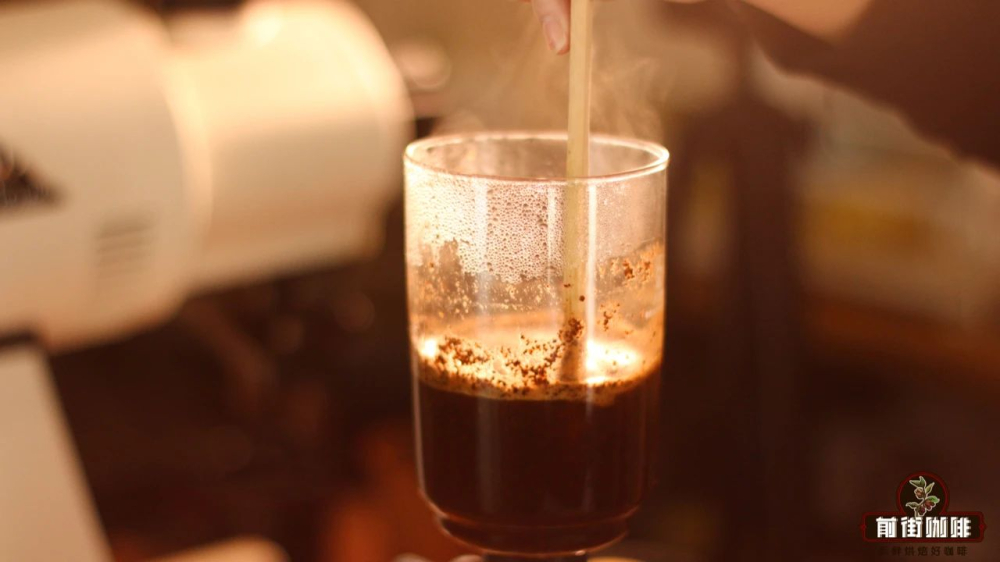
As for the siphon pot, known in English as “SIPHON” and often called a “vacuum pot” in Chinese, its most distinctive feature is using steam generated by heating and pressure differences to push hot water from the lower chamber up into the upper chamber where it mixes with the coffee grounds. After extraction, a vacuum effect formed by cooling allows the brewed coffee to flow back down into the lower chamber, completing the brew. It’s worth noting that although the name includes the word “siphon,”the siphon pot’s coffee extraction is still fundamentally an immersion method—the actual siphoning action is only used to transport hot water, not to perform the extraction itself.
The extraction process of the siphon pot can be divided into two stages: first, heating causes the water to rise into the upper chamber and mix with the coffee grounds, then heating is stopped, and the brewed coffee flows back down due to the created vacuum. Because the water temperature remains constant during the entire immersion process thanks to the continuous heating from below, not only is extraction efficiency improved, but flavor release also becomes more stable. Compared to typical immersion brewing tools,the siphon pot achieves a high extraction rate in a shorter time due to its constant temperature immersion and stirring assistance, resulting in a smoother mouthfeel and richer aroma.
The siphon pot typically uses a cloth filter (usually made of felt) as the filtering medium. Although some users opt for paper filters, they often fail to fully cover the filter area, allowing fine particles and coffee oils to pass through into the brew, resulting in a somewhat cloudy appearance.However, these fine particles and oils are also key contributors to the rich mouthfeel of siphon-brewed coffee. Additionally, due to the incomplete filtration, coffee brewed with a siphon pot is less clear than that from pour over or French press, but what it sacrifices in clarity, it gains in more complex flavor layers and a fuller aftertaste.
The above content is compiled by CoffeeHunters, a coffee news website.


