







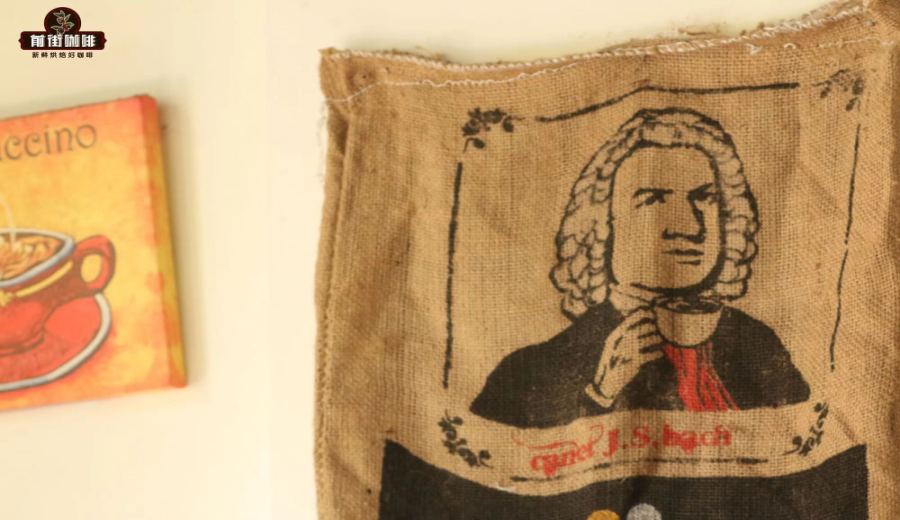
Introduction:The Costa Rica Musicians Series coffee beans are renowned for their unique flavors and the stories behind them. This article delves into the origin regions, altitudes, varieties, processing methods, and flavor profiles of four beans—Mozart, Bach, Beethoven, and Chopin. It also explores the growing conditions at the Finca Carnet estate and Costa Rica’s coffee grading system, offering a comprehensive understanding of these classical music-inspired specialty coffees from flavor to production.
Costa Rican coffee is celebrated for its bright acidity, rich sweetness, and layered complexity, which is closely tied to the widespread use of honey processing. Among these, the Musicians Series launched by Finca Carnet takes coffee flavors on a cross-genre journey with classical music, with each bean resembling a moving musical piece. This article will guide you through detailed information on the Mozart, Bach, Beethoven, and Chopin beans—from the growing environment, altitude, coffee variety, processing techniques, to flavor expression. It also supplements information on Costa Rica’s coffee grading standards, the characteristics of the Caturra and Catuai varieties, and key processes in raisin honey processing and washed processing, helping you find your perfect match.
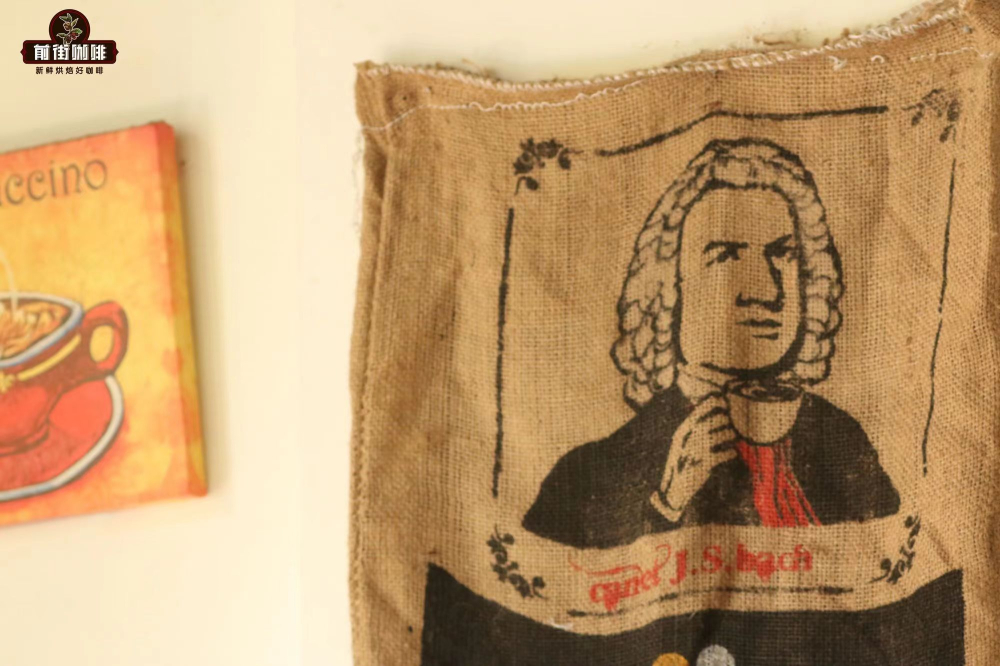
First up is the Costa Rica Mozart coffee bean. Grown in the Tarrazú region at an altitude of about 1,800 meters, it belongs to the Strictly Hard Bean (SHB) category. The beans are of the Caturra and Catuai varieties, processed using the raisin honey method. This bean features a flavor profile anchored by raisin-like acidity, intertwined with berries, floral notes, and fermented wine-like aromas. On the palate, you’ll detect layers of dark berries, raisins, and hints of red berries, with a mid-to-late profile offering subtle plum-like acidity and gummy bear-like sweetness. As it cools, the floral notes and sweetness remain prominent, delivering an overall flavor as luxurious and dynamic as classical music.

The Costa Rica Bach coffee bean also hails from Tarrazú, but at a higher elevation of 1,950 meters. It is of the Caturra variety and also undergoes raisin honey processing. Even in the dry aroma stage, you can pick up scents of strawberry, blackberry, and raisin. Once brewed, it releases intense fruitiness, with clear floral and fruity notes plus a balanced acidity and sweetness. In the mid-to-late stages, wine-like aromas emerge, while cooling reveals even more pronounced candied fruit and plum wine notes. Its layered flavors are as refined and structured as Bach’s compositions, evoking the rigor and splendor of the Baroque period.
The Costa Rica Beethoven coffee bean is the only one in the Musicians Series that uses washed processing. Also from Tarrazú, it grows between 1,800–1,950 meters and includes both Caturra and Catuai varieties. Washed processing gives it a clean and refreshing taste. Even in the dry aroma, you can detect red berry notes, especially strawberries, accompanied by floral scents. Upon brewing, it presents a balanced acidity and sweetness reminiscent of green grapes and red berries, with a smooth mouthfeel and no off-flavors. As it cools, berry notes become more pronounced. Often described as having a romantic summer vibe, this coffee suits those who prefer a clean and crisp cup—especially delightful in warmer months.
The Costa Rica Chopin coffee bean is known for its rose-like floral aroma. Grown in Tarrazú at an altitude of 1,800–1,900 meters, it is of the Catuai variety and processed using the raisin honey method. Upon opening the bag, a strong rose fragrance fills the air, which blooms even more vividly during brewing, as if surrounded by a field of flowers. Flavor-wise, it combines the sweet and tangy notes of raisins and berries, with a lingering aftertaste as smooth and comforting as fruit tea. Overall, its performance is as romantic and layered as Chopin’s piano poetry—a specialty coffee infused with the spirit of Romanticism.
To understand the background of the Musicians Series, we must mention Finca Carnet. Located in Costa Rica’s Tarrazú region, this estate boasts uniquely favorable growing conditions. Not only is Tarrazú the highest-altitude coffee-growing region in the country (approximately 1,200–1,700 meters), its volcanic soil is fertile and well-drained, and the significant day-night temperature variation helps coffee beans accumulate flavor compounds, resulting in dense, aromatic SHB beans. Finca Carnet focuses on cultivating the mainstream Caturra and Catuai varieties and has named beans processed differently after musicians, creating this artistic and distinctive series.
Costa Rica’s coffee grading system is primarily based on altitude. Different elevations correspond to different grades: SHB (Strictly Hard Bean) at 1,500 meters and above, GHB (Good Hard Bean) at 1,100–1,200 meters, and HB (Hard Bean) around 1,000 meters. The higher the altitude, the slower the coffee bean growth, leading to more intense flavors and better acidity-sweetness balance. The Musicians Series from Finca Carnet all fall under the SHB grade, naturally showcasing the signature sweet fruitiness and wine-like qualities of high-altitude beans.
Caturra is a natural mutation of the Arabica Bourbon variety, originating in Brazil in 1937. Though less resistant to diseases, it is high-yielding and suited for medium-to-high altitude cultivation, being widely grown in Costa Rica, Colombia, and Nicaragua. Catuai is a hybrid of Caturra and Mondu Novo, with stronger resistance to wind and rain. Its fruits are firm but not easy to harvest and come in red and yellow varieties. Generally, coffee processed from red fruits is more praised for its purity in flavor.
Raisin honey processing is a highlight of the Musicians Series from Finca Carnet. This method retains 100% of the fruit mucilage without water washing and requires precise control over drying time. After harvest, immature or overripe beans are first removed via water tanks, then qualified coffee cherries are placed on raised beds to dry for at least three days. The cherry skin is then removed while keeping the mucilage, followed by prolonged drying. This process gives the coffee intense sweetness and fermented aromas, with bright acidity and complex flavors—its layered profile reminiscent of white wine is truly impressive.
As for the Beethoven coffee bean in the Musicians Series, it uses washed processing—the traditional method that best highlights the bean’s original flavors. The steps include: harvesting ripe cherries, removing impurities and floaters, stripping the pulp and flesh, fermenting to remove mucilage, washing for cleaning, drying, and finally removing the parchment and silver skin. Washed processing results in a cleaner taste with bright acidity, making it ideal for coffee lovers seeking a refreshing cup, and it’s also a great choice for summer enjoyment.


The above content is compiled by CoffeeHunters, a coffee news website.


