







Introduction:Wondering what sets La Esmeralda’s Red Label, Green Label, and Blue Label Geishas apart? This article takes an in-depth look at the geographical advantages of Panama’s Boquete region, the origin of the Geisha variety, and how Hacienda La Esmeralda transformed this coffee — once used as a windbreak — into a top-tier specialty bean. We’ll break down the definitions of the three grades, altitude conditions, processing methods, and flavor profiles, along with practical pour over parameters and V60 brewing tips to help you choose and brew your ideal Geisha experience more precisely.
In the world of specialty coffee, the name La Esmeralda is almost synonymous with Geisha. As the farm that brought this variety to the international stage, this Panama-based estate in the Boquete region, thanks to its exceptional geographical environment and meticulous cultivation management, has achieved the pinnacle of Geisha flavor expression. If you’ve ever tried Red Label, Green Label, or Blue Label Geisha at a café, you might be curious about the differences between them and how to choose or brew them. Let’s break it all down.
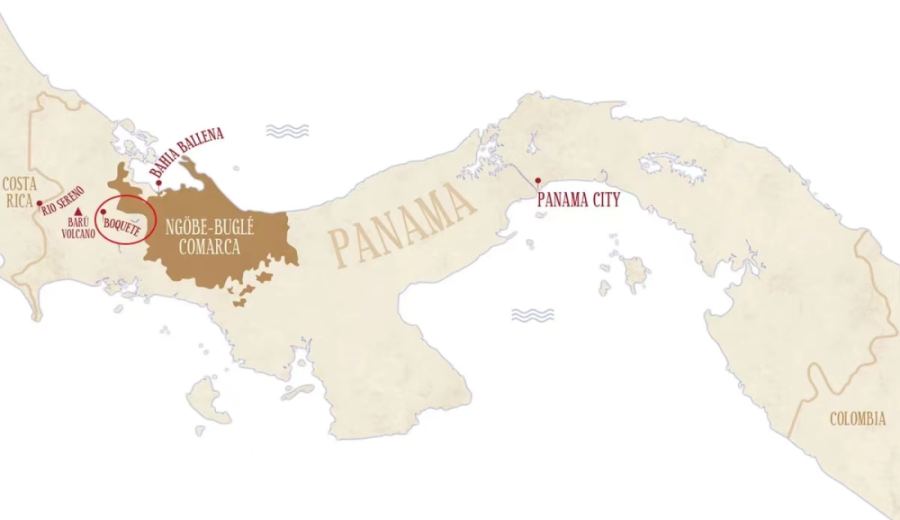
Panama’s Boquete region lies in the narrow stretch of Central America, bordered by two major coffee-producing countries: Costa Rica and Colombia. It enjoys distinct mountain microclimate advantages. Due to the blocking effect of the central mountain range, moist air from the Caribbean condenses in the high-altitude areas above 6,500 meters, creating a cool and foggy environment. Coupled with fertile volcanic soil and moderate rainfall, it is highly suitable for growing delicate varieties like Geisha. The region is also home to the Baru Volcano near La Esmeralda, whose volcanic ash soil, rich in minerals, provides an important foundation for cultivating high-quality coffee.
The Geisha variety was first discovered in 1931 in the Gesha Forest of Ethiopia. It later traveled through Kenya, Uganda, Tanzania, and even Costa Rica, before finally being introduced to Panama in the 1970s. Early on, due to its low yield and tall plant stature, it was mostly planted as a windbreak. It wasn’t until the third-generation owner of La Esmeralda, Daniel, began to recognize its potential that this began to change. Through systematic cupping and altitude classification, he helped uncover and bring Geisha’s unique flavors to the world stage.
La Esmeralda owns three main sub-farms: El Velo, Cañas Verdes, and Jaramillo. The grading labels for Geisha — Red Label, Green Label, and Blue Label — are categorized based on origin, altitude, and processing method, allowing consumers to better understand the characteristics and value of each bean.
Red Label Geisha, officially known as “Esmeralda Special,” typically comes from auction lots or high-altitude single estates,with an altitude requirement of 1,600–1,800 meters and a cupping score of 90 or above.For example, the Jaramillo plot is one of the well-known Red Label regions. A certain shop once sold Red Label Geisha sourced from this area,processed using the natural (sun-dried) method, featuring a complex flavor profile of lemon, honey, berries, orange peel, mango, and cream.Each batch of Red Label comes from a single plot, so its flavor expression is more distinctive, making it the most sought-after grade of Geisha in the market.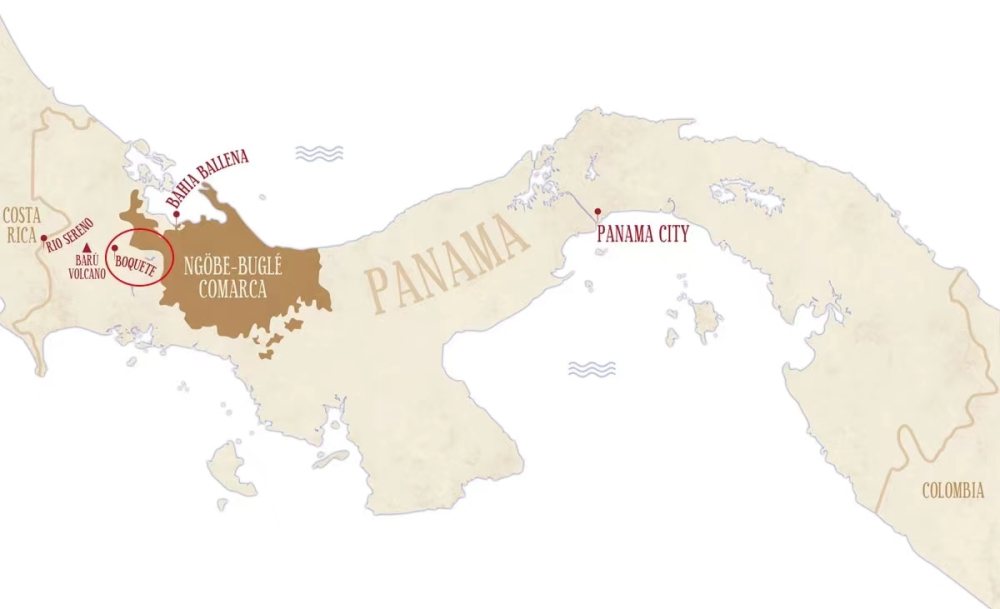
Green Label Geisha, also known as “Private Collection,” while not part of the auction lots, is also grown in Jaramillo and Cañas Verdes,at altitudes between 1,600–1,800 meters.It is mostly processed via the natural method, retaining classic Geisha floral notes such as jasmine, citrus, berries, and lemon, along with a green tea-like clean aftertaste.Green Label is usually a micro-lot blend without specific plot designation, making it more affordable than Red Label but still offering rich flavor layers.A certain shop’s Green Label Geisha, also from Cañas Verdes, brewed up with clear jasmine aroma and a soft balance of sweet and sour.
As for Blue Label Geisha, also called “Geisha1500,”it grows at altitudes of 1,400–1,500 meters and is only processed using the washed method.It is cultivated across all three of La Esmeralda’s sub-farms. This grade was temporarily unavailable between 2019 and 2022, during which some Geisha beans were released by external brands under the name “Las Rocas” (Volcanic Rock Geisha). Blue Label has a relatively softer flavor, with bright acidity but less complex layers compared to Red and Green Labels, making it suitable for those who prefer a cleaner taste.
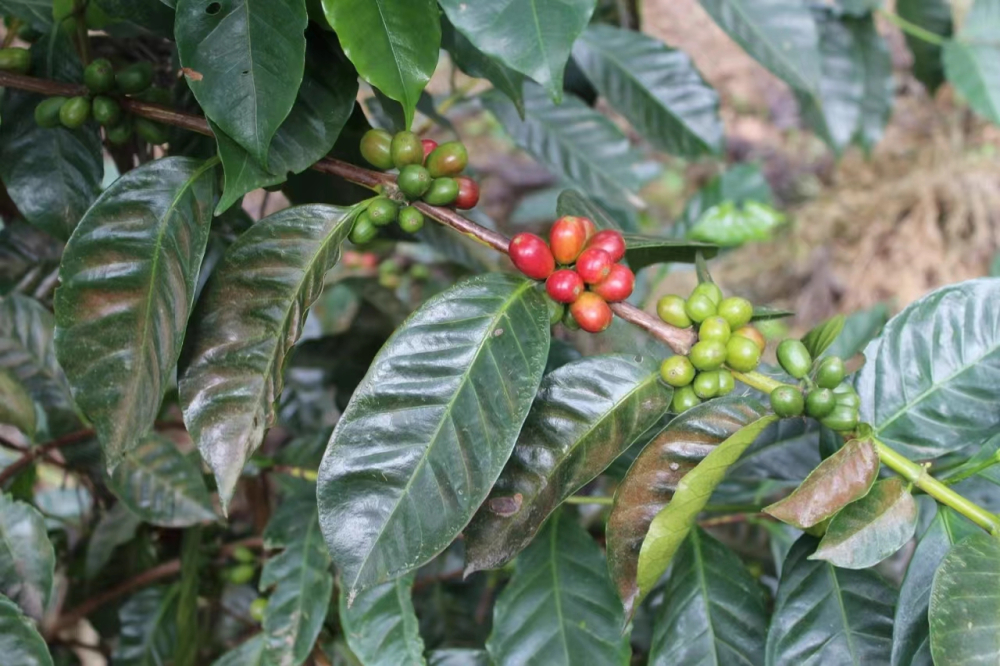
Regardless of the grade, Geisha showcases remarkable flavor diversity. One shop’s coffee list features as many as six Panamanian Geisha options, including the 2022 Best of Panama Natural Category Champion from Guava Gross Estate, which stood out with intense malt fermentation and bold acidity. Such unique profiles are usually limited to in-store experiences and rarely available on the general market.
In terms of brewing recommendations, since Geisha beans are generally high-altitude hard beans,a medium-light roast is advised to preserve their delicate floral and fruity acidity characteristics.For actual pour over brewing, you can use a V60 filter cone, with water temperature at 92–93°C, a dose of 15 grams, a 1:15 brew ratio, and a grind size around 80% passing through a #20 sieve — that is, medium-fine to slightly fine, helping to highlight subtle details.
Specifically, place the ground Geisha in a V60 with a paper filter, start with a 30-gram bloom in the center for 30 seconds using a gentle stream, then pour in a circular motion from the inside out. For the second pour, add 95 grams, wait for the flow rate to stabilize, and follow with a third pour of 100 grams, keeping total brew time around 2 minutes, allowing a margin of about 10 seconds. This will fully extract Geisha’s layered complexity and unique aromatics.
In terms of actual tasting, freshly ground Red Label Geisha emits a strong rose aroma; the cup offers a sweet, tropical fruit experience akin to mango, with a silky, creamy mouthfeel — overall more resembling floral fruit tea than traditional coffee. Green Label shows a brighter tone, with pronounced jasmine, paired with berry and lemon acidity, and a green tea-like fresh finish, ideal for those who enjoy a lively cup. Blue Label, affected by washed processing and relatively lower altitude, presents gentler acidity, but lacks the robust flavor structure of the other two labels, suiting those who prefer a milder taste.
The above content is compiled by CoffeeHunters, a coffee news website.


