







Introduction:To brew a pure and well-balanced Jamaican Blue Mountain coffee at home, it’s not only essential to select beans from the authentic growing regions, but also to master key factors such as the coffee-to-water ratio, water temperature, and pouring technique. This article will delve into the variety background and regional grading of Blue Mountain coffee, and guide you step-by-step through the pour-over process — including choosing the right filter, using the three-stage pouring method, and how fine-tuning details can bring out the unique richness and balance characteristic of Blue Mountain coffee.
If you want to brew an authentic-tasting Jamaican Blue Mountain coffee at home, simply having high-quality beans is not enough. The key lies in understanding the coffee’s varietal genetics, altitude regulations of the growing region, and grading system, as well as operating with the correct water temperature, grind size, and pouring method to truly showcase its distinctive richness and balanced acidity. This article will start by helping readers distinguish real Blue Mountain beans from the commonly seen “Blue Mountain-flavored” coffees on the market, then gradually explain the pour-over coffee-to-water ratio, optimal water temperature settings, filter choice, and the three-stage pouring method — all to help you consistently extract the surprising flavors of Blue Mountain coffee.
Walk into any specialty coffee shop, and besides classic espresso blends, you’ll often find premium beans from renowned origins on the shelves, such as Panamanian Geisha, Jamaican Blue Mountain, Kenyan AA, Guatemalan, or Ethiopian Yirgacheffe. You’ll also notice the baristas’ attention to detail in their pour-over equipment setups, as these tools are often key to crafting a great cup. Nowadays, more and more people are getting into the world of pour-over coffee, enjoying the pleasure of brewing by hand. But it’s important to note that what seems like a simple brewing process actually involves multiple variables — such as flow rate, extraction time, and water temperature control — all of which need to be carefully managed.
Brewing at home isn’t about perfectly replicating the café flavor, but rather about enjoying the process and the emotional connection coffee brings. Therefore, there’s no need to obsess over every single number. As long as you grasp the core techniques, you too can reliably recreate a richly layered and balanced Blue Mountain coffee at home. This article uses Blue Mountain coffee from the Clifton Estate in Jamaica as an example, guiding you from basic bean information to the actual pour-over process, teaching you how to highlight the unique charm of Blue Mountain coffee through the right parameters.
First, understanding the bean variety is the foundation of both tasting and brewing. Authentic Jamaican Blue Mountain coffee uses the Typica variety, one of the oldest and most historic coffee varieties in the world, known for its delicate acidity and rich body. However, it is also less resistant to disease, leading to scarce yields — one of the reasons for its high price. Therefore, consumers should stay vigilant to avoid purchasing products that don’t live up to their name.
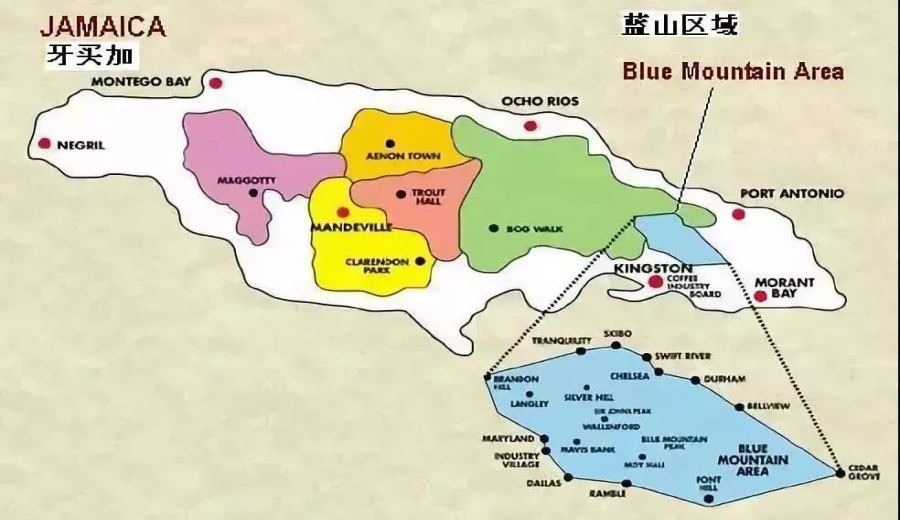
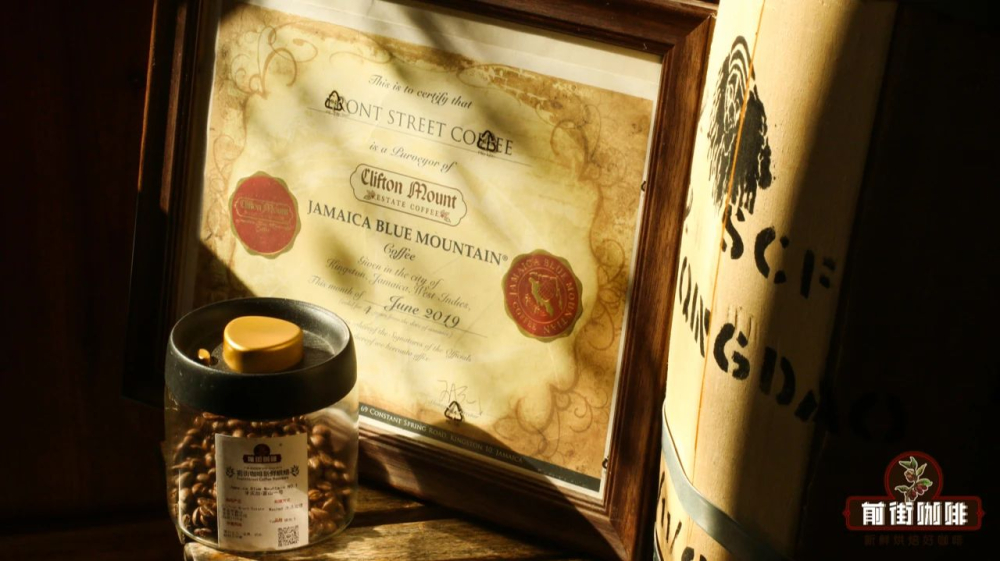
So, what qualifies as “authentic Blue Mountain”? According to regional regulations, only coffee beans grown at altitudes between 1,000 and 1,700 meters can be called Jamaican Blue Mountain. If planted within the same four administrative regions but at altitudes between 500 and 1,000 meters, the beans are classified as Jamaican High Mountain coffee; those grown below 500 meters fall into the even lower grade of Jamaican Supreme coffee. It’s especially important to note that only Blue Mountain beans grown within officially certified areas can be labeled as “Blue Mountain,” and their barrel packaging must bear the Rainforest Frog certification mark and the certificate issued by the Jamaica Coffee Industry Board. It’s advisable to carefully check these when purchasing.

Additionally, the commonly seen “Blue Mountain-flavored coffee” on the market often leads to misunderstandings, as it differs greatly from true Blue Mountain coffee. Authentic Blue Mountain coffee consists entirely of Typica beans from the Jamaican Blue Mountain region, while some so-called “Blue Mountain blends” on the market contain only about 60% Blue Mountain beans. Even more products labeled as “Blue Mountain flavor” don’t use any Blue Mountain beans at all, instead simulating a similar flavor through roasting techniques — yet the beans are not from Jamaica. Therefore, when shopping, always check the origin, altitude, and certification information to ensure you’re buying the genuine product.
After understanding the basic certifications and grading of Blue Mountain coffee, the next step is to move on to hands-on brewing. Typically, specialty cafés test and set the optimal grind size, water temperature, coffee-to-water ratio, and filter choice for each new bean they offer, ensuring that its full flavor profile can be presented. Using Jamaican Blue Mountain as an example, this article recommends a 1:13 coffee-to-water ratio and a medium-dark roast grind that allows 60% of the particles to pass through a standard #20 sieve — a setting that helps balance rich body with delicate fruity acidity.
Since this Blue Mountain coffee is medium-dark roasted, it’s recommended to keep the water temperature at 88°C, which helps to bring out its rich characteristics while avoiding over-extraction and bitterness. For the filter, consider options with a slower flow rate, such as the KONO filter, Kalita wave (trapezoid filter), or even a flannel dripper. In this guide, we’re using the KONO filter, which helps maintain a stable extraction flow.
While the above parameters might seem a bit complex, beginners need not worry too much. Many cafés or suppliers provide recommended brewing guidelines when selling beans — don’t hesitate to ask. If you bought the beans from a specific shop, you can also consult the barista directly. If face-to-face advice isn’t possible, there are plenty of online resources where you can look up relevant pour-over data, which can help newcomers get started more easily.
For the actual pour-over process, it’s recommended to use the three-stage pouring method, which is simple to learn and very suitable for home brewing. First, prepare all the necessary equipment, and follow these steps: Step one, pour 30 grams of water for the bloom. Keep the water flow steady and gentle to avoid disturbing the coffee grounds with too much force — the bloom time is about 30 seconds. Step two, after the bloom, pour 100 grams of water slowly in small circles from the center outward using a gentle stream. This should take about one minute in total. Once the coffee bed has visibly lowered, proceed to the next step. Step three, continue pouring until the total water volume reaches 195 grams. The total extraction time should be around two minutes. Then stop pouring and let the coffee drip through completely. Finally, it’s recommended to gently swirl the coffee in the server to ensure even concentration before enjoying a well-balanced cup of Blue Mountain coffee.
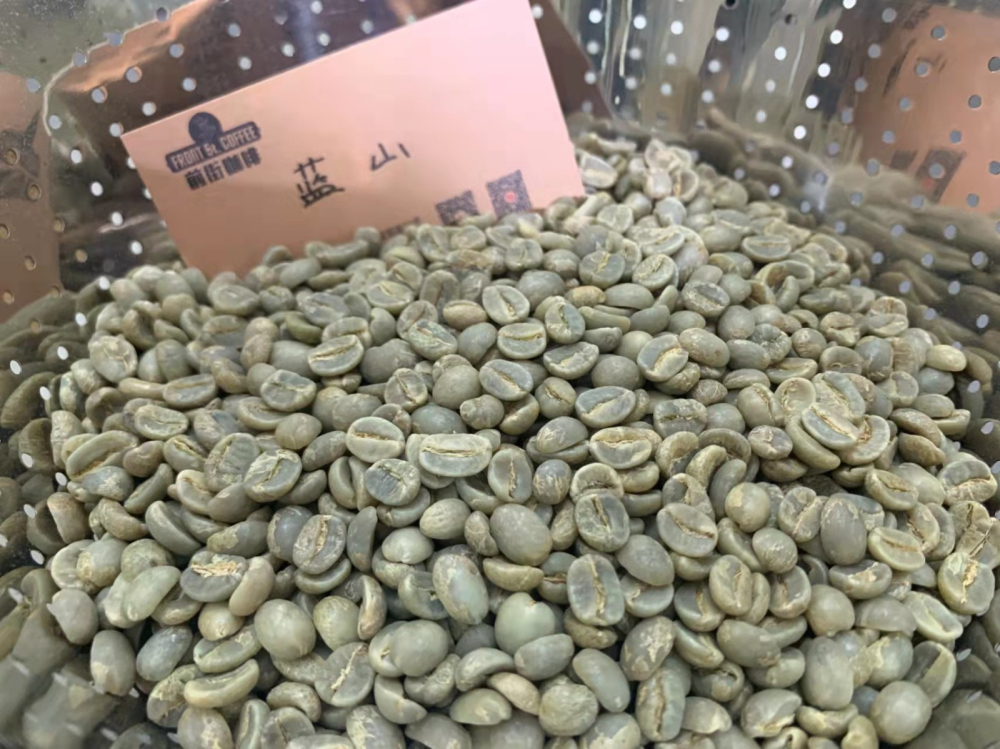
A truly high-quality Jamaican Blue Mountain coffee should exhibit an ultimate sense of balance, where elements of acidity, sweetness, bitterness, and saltiness are harmoniously coordinated, with no single flavor overly prominent or missing. This is also the key characteristic that sets Blue Mountain coffee apart from beans of other origins. If your first attempt at pour-over Blue Mountain doesn’t meet expectations, review the entire process — check whether the pouring speed was too fast, the water temperature too high, or the extraction time too long, as these details directly affect the final outcome. Practicing water flow control is advised; once you’ve mastered a stable pouring rhythm, your chances of successfully brewing delicious Blue Mountain coffee will significantly improve.
The above content is compiled by CoffeeHunters, a coffee news website.


