







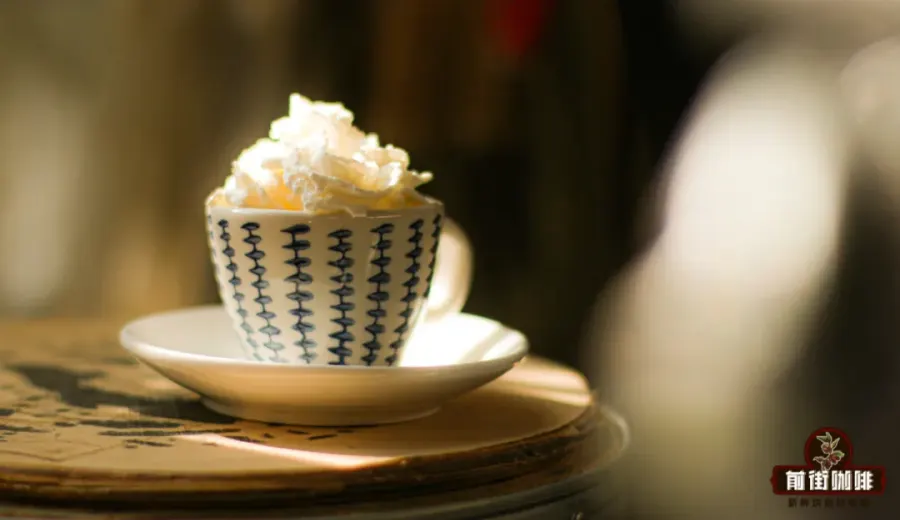
Introduction:As an exquisite representative among specialty coffees, Espresso Con Panna (Affogato’s more refined cousin) may not be as commonly seen as lattes or cappuccinos, but it holds a perfect balance between espresso and cream. This article will delve into the traditional way to enjoy Espresso Con Panna, its historical origins, key brewing points, and guide you through the layered tasting steps while debunking common misconceptions—letting you experience the delightful flavors of these so-called "angel's wings."
Among the many specialty coffee drinks, Espresso Con Panna (Espresso with Cream), though not as widely known as lattes or cappuccinos, is one classic that coffee enthusiasts shouldn’t miss. This beverage, which pairs a shot of espresso with fresh whipped cream, is often mistaken for affogato due to its similar appearance—and wrongly assumed to be eaten with a spoon. However, Espresso Con Panna actually has a more refined method of appreciation that fully showcases the delicate interplay between the espresso and the cream. This article will take you from the name’s origin and historical background, to the traditional preparation and tasting techniques, to rediscover this enchanting coffee drink also known as the "angel’s wings."
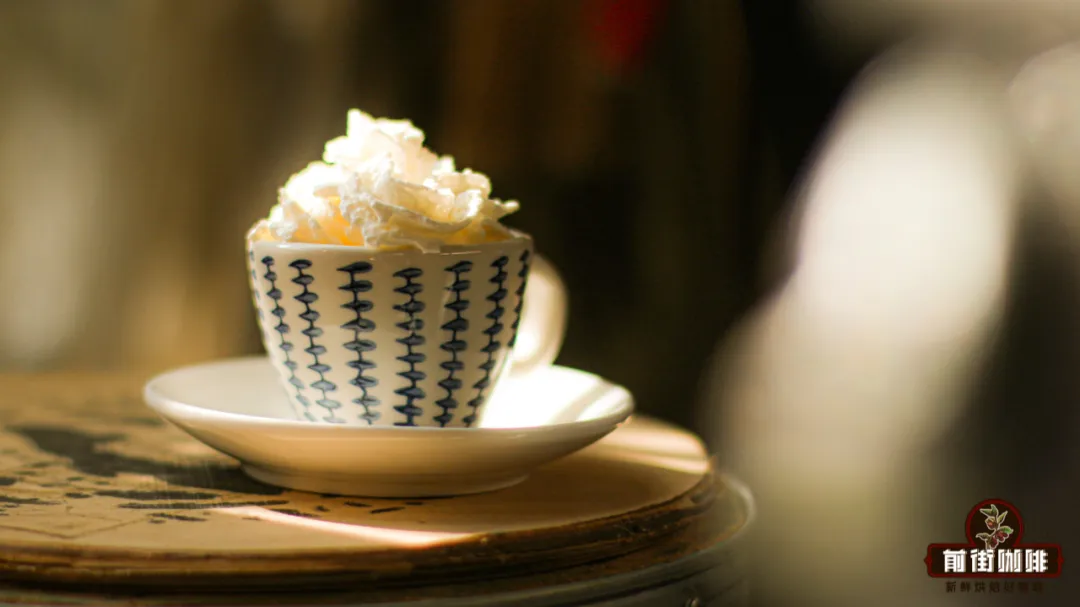
Espresso Con Panna isn’t commonly found on café menus and is considered a niche choice among specialty coffee drinks. Precisely for that reason, many people are unfamiliar with the correct way to enjoy it, and it’s often confused with affogato, mistakenly thought to be scooped and eaten. In truth, the charm of Espresso Con Panna lies in experiencing the distinct layers of espresso and cream without stirring—each complementing the other’s flavors. With the right tasting approach, you’ll be able to perceive its unique aromas and the shift in textures, truly appreciating the essence of this classic coffee.
The name “Espresso Con Panna” directly translates to “espresso with cream.” Here, “Espresso” is the familiar concentrated coffee shot, “Con” means “with” in Italian, and “Panna” means “cream”—the whole term is straightforward: a shot of espresso topped with a layer of fresh cream. In practice, it simply involves dolloping an appropriate amount of fresh cream on top of freshly brewed espresso. While it seems simple, the ratio and texture of the cream are crucial.
Regarding the origins of Espresso Con Panna, although there are no exact historical records, a heartwarming story circulates. Legend has it that in the early days of Italian espresso machines, a barista, wanting to express his love to his wife, crafted a special coffee by combining a shot of espresso with pure white cream, making the coffee look as if it had angel wings. That’s why Espresso Con Panna is also affectionately called the "angel’s wings." Though the story is romantic, the original intention behind the coffee might have also been to soften the intense bitterness of espresso and add a touch of creaminess and sweetness.
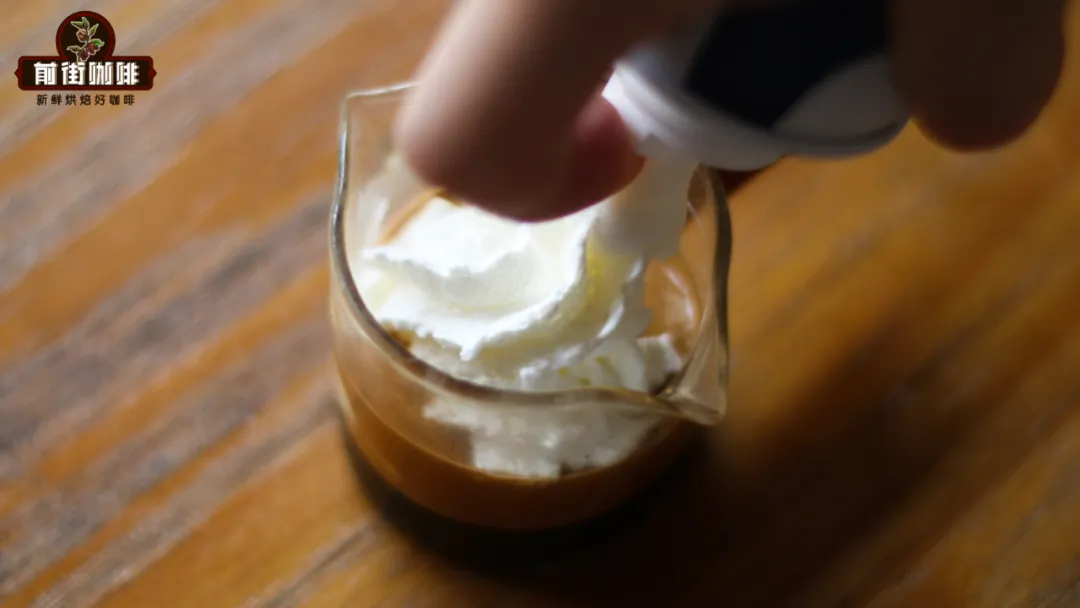
Making an authentic Espresso Con Panna is actually quite simple—the key lies in getting the ratio and the quality of the cream right. The traditional method combines espresso and fresh cream in a 1:1 ratio (by volume). It’s recommended to use fresh, finely textured cream for a smoother, richer taste. First, brew a standard shot of espresso—for example, using the Warm Sun blend—with parameters set at about 19.8 grams of coffee grounds, extracted for around 30 seconds to yield approximately 39 milliliters of espresso. Then, based on personal taste, add an equal amount of fresh cream on top of the espresso. It’s suggested to pour the cream directly into the espresso to allow the two to naturally meld, avoiding separation. If you prefer a stronger or mellower flavor, you can slightly adjust the ratio of cream, but it’s important to maintain overall balance.
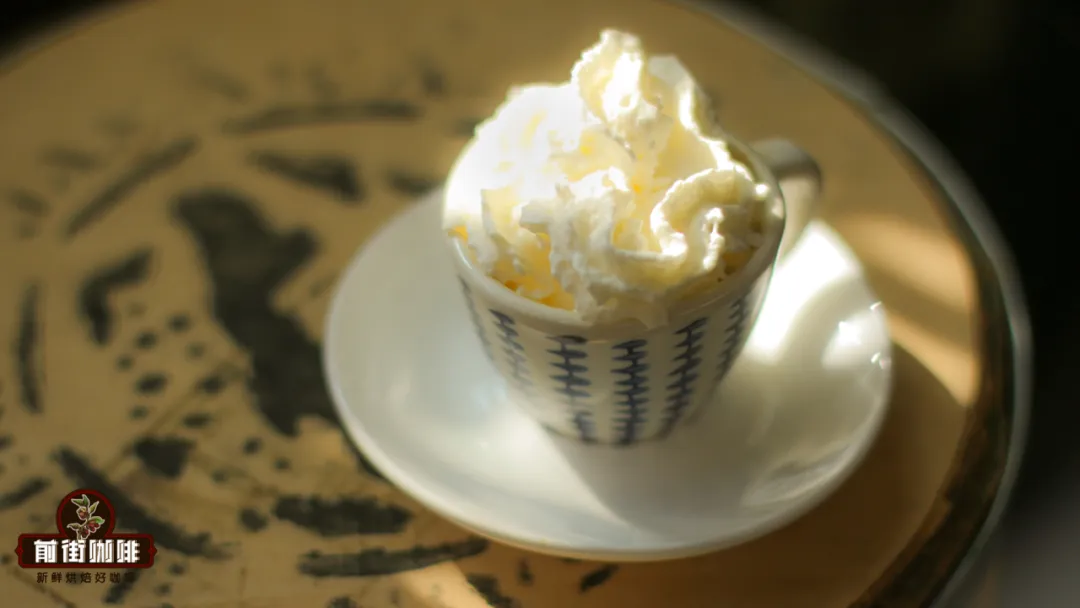
Many first-time tasters of Espresso Con Panna tend to mimic the way they eat affogato—using a spoon to mix the cream and coffee together. Although there’s nothing wrong with that approach, it’s not the traditional way to enjoy Espresso Con Panna. A more recommended method is to take small sips directly, without stirring, letting the dual flavors of espresso and cream unfold layer by layer in your mouth. It’s advised to adopt a strategy of tasting small amounts multiple times: the first sip brings out the bold aroma and slight bitterness of the espresso, followed by the gradual emergence of the cream’s richness and sweetness. As you continue drinking, the proportion of espresso decreases while the sweetness increases, creating a marvelous shift in taste. This progression of flavors also mirrors the layers and depth often associated with love.
There are no strict rules regarding when to enjoy Espresso Con Panna—it can be served either cold or at room temperature, depending on personal preference. However, if high-quality fresh cream is used, it’s best to enjoy it soon after preparation to maintain optimal taste and freshness. Additionally, compared to other types of coffee, Espresso Con Panna contains a relatively concentrated amount of caffeine, making it ideal for those who enjoy strong flavors but prefer a smaller serving. Whether as an afternoon tea accent or a refined finish to a meal, this “angel’s wings” coffee always brings a delightful surprise.
In summary, Espresso Con Panna (Espresso with Cream), as a classic yet niche specialty coffee, captivates with its understated elegance. From its name origin and historical anecdotes to its traditional preparation and tasting methods, each step reflects a deep understanding of coffee flavor. By mastering the correct way to enjoy it—without stirring, taking direct sips—you’ll fully appreciate the layered interaction between the espresso and cream, and discover the unique charm of these “angel’s wings.”
The above content is compiled by CoffeeHunters, a coffee news website.


