







Introduction:Americano coffee can be divided into two main types: drip-style and espresso-with-water. Each brewing method has its unique flavor characteristics and operational details. This article will delve into the production principles of the two mainstream types of Americano, analyze common coffee-to-water ratio ranges, and detail the standard extraction parameters for espresso—including coffee dosage, liquid yield, and time control. Whether you prefer a refreshing iced Americano or a rich hot Americano, you’ll learn key techniques here to find your ideal formula.
What are the common ways to make Americano coffee? How does it relate to drip machines and espresso? This article will start with some historical background to introduce the two major preparation styles of Americano: one is direct extraction using a drip machine, and the other is mixing espresso with hot water. We’ll also provide specific recommendations on coffee-to-water ratios for both hot and iced Americano, and explain the standard extraction guidelines for espresso, covering key factors such as coffee dosage, extracted liquid weight, and time—helping you adjust the brew to your preferred taste.
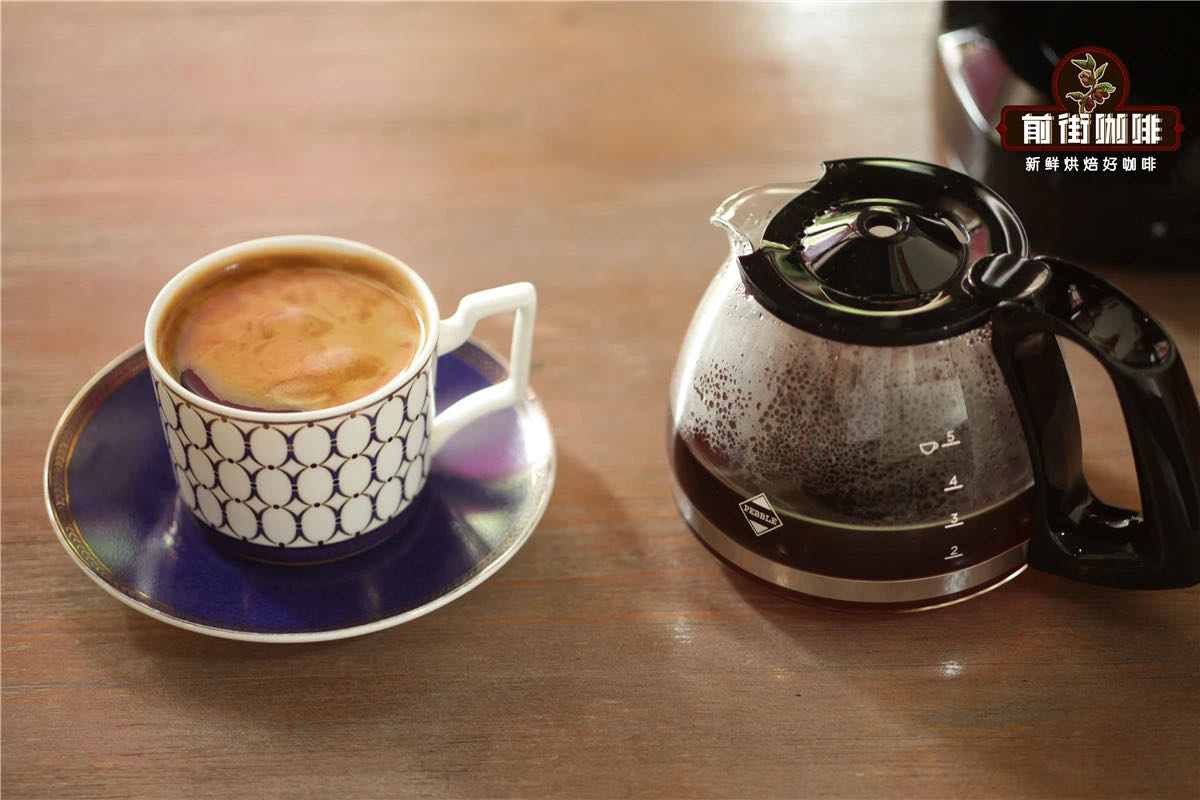
The methods of making Americano coffee can generally be divided into two categories: one uses an American drip machine for direct extraction, and the other starts with espresso and adds hot water to adjust the strength. To better understand the differences between these two methods, it helps to look back at the evolution of Americano coffee. Drip machines were popular in American homes in earlier years, typically producing coffee with light flavor, thin body, and a noticeable wateriness. During World War II, many American soldiers stationed in Europe encountered espresso for the first time—its intense and strong taste was quite unfamiliar and even uncomfortable for them.
To mellow the bold intensity of the espresso, they began adding hot water to dilute it, which successfully reduced its strength and made the coffee more palatable. Since this way of drinking was rare elsewhere in Europe at the time, it gradually became known as “Americano.” In fact, the name originally carried a slightly mocking tone, implying that Americans couldn’t handle the traditional flavor of espresso. It was even privately referred to by the French as “sock coffee” (café filtre), describing its taste as being as unrefined as a sock.
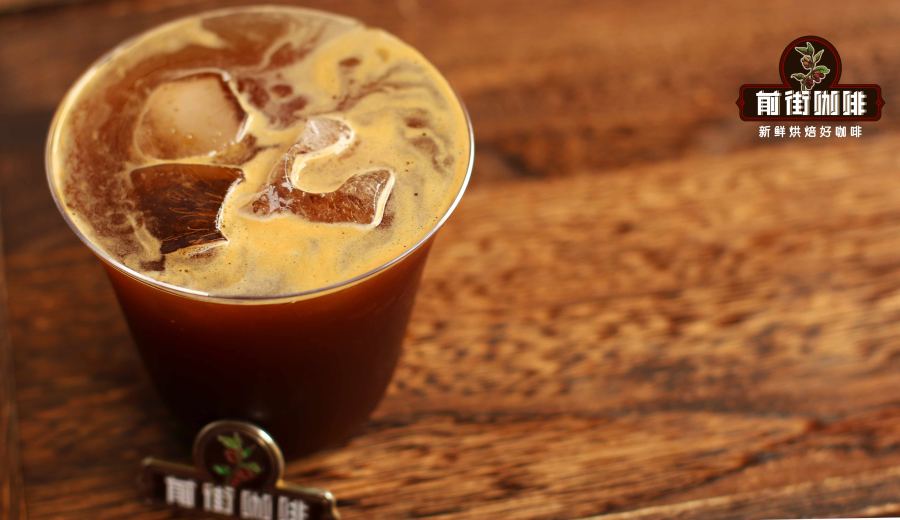
Currently, most cafés—and included—prepare Americano by adding water to espresso. Generally, the water-to-espresso ratio for Americano falls between 1:4 and 1:9, with each shop adjusting the ratio based on its own flavor profile and cup size. ’s hot Americano uses a water-to-liquid ratio of 1:4.5, determined after considering the flavor profile of its strawberry sugar blend espresso and the serving size. The iced Americano ratio is closer to 1:6, which highlights a crisper taste.
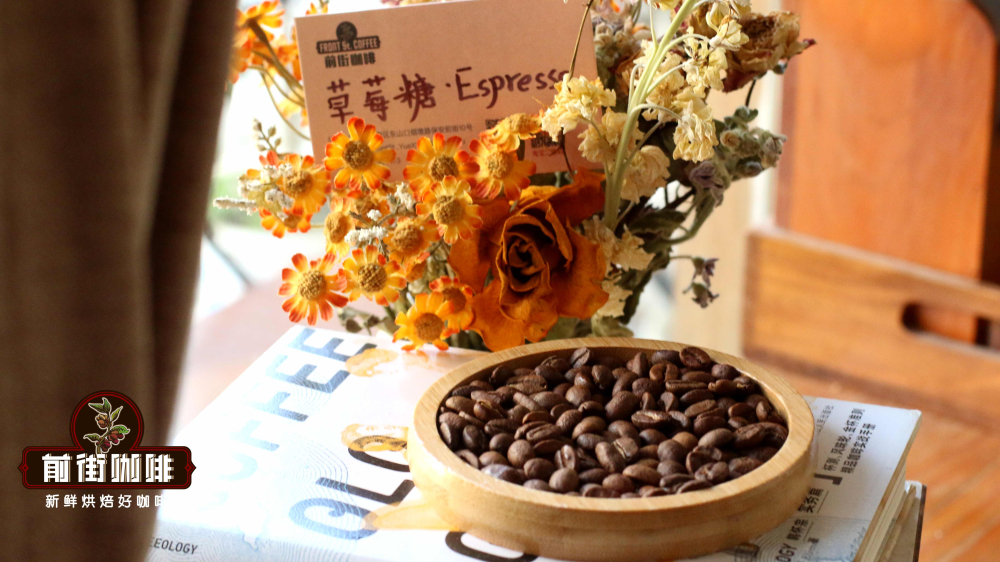
Using their own house-blend espresso beans—which do not particularly emphasize nutty notes—their strawberry sugar Americano showcases rich floral and fruity aromas. The coffee has a thick crema, a full-bodied mouthfeel with a buttery texture, and a long-lasting chocolatey aftertaste. In contrast, the iced version feels cleaner and more refreshing due to the lower temperature. If you switch to espresso beans from different regions or roast levels, the resulting flavor profile will also change noticeably.
If you enjoy coffee with prominent aroma and a full body, a classic espresso blend is worth trying. This blend combines beans from Brazil, Indonesia, and Vietnam, and is dark roasted to fully develop a rich, bold aroma and help form a thick, velvety crema. It performs exceptionally well whether brewed as an Americano with added water or combined with milk to make a latte.
Espresso extraction usually follows certain standard parameters. Depending on the size of the portafilter basket, the recommended coffee dosage is around 18 to 22 grams, with precise control over the amount having a significant impact on the final flavor. The most common extraction ratio is double the weight of the coffee grounds—for example, using 18 grams of coffee aims for a 36-gram liquid yield. Exceeding this ratio can easily result in over-extracted, bitter flavors.
Of course, the ratio can be fine-tuned as needed during actual operation. For instance, the espresso used in-store is extracted from 20 grams of coffee to yield 36 grams of liquid. This setting helps enhance the aroma and flavor complexity in both Americano and latte. Note that the extracted liquid weight is generally recommended to be 1 to 3 times the weight of the coffee grounds, with 2 times being the most commonly used standard.
Extraction time is measured from when the extraction begins until it’s completed, typically ranging between 25 to 35 seconds. If there’s a noticeable discrepancy between actual and expected extraction time, it is usually directly related to the grind size, so it’s advisable to adjust the grind fineness according to the extraction performance to optimize results.
Generally speaking, if the extraction is too fast, the coffee often tastes more acidic with less sweetness; conversely, if the extraction is too slow, the coffee tends to be bitter and muted in flavor. Many coffee enthusiasts are curious about the barista’s skilled handling of the espresso machine. In reality, baristas mainly rely on a standardized espresso-making process rather than deep technical knowledge of the machine itself. Here are the standard steps for making espresso:
Step 1: Wipe the portafilter basket with a clean cloth to ensure it is dry and free of residual moisture.
Step 2: Use an electronic scale to accurately weigh the coffee grounds, aiming for an error margin within ±0.1 gram.
Step 3: Distribute the grounds evenly to ensure a flat surface layer.
Step 4: Use a tamper to evenly compress the coffee grounds.
Step 5: Lightly tap the portafilter back into place on the machine.
Step 6: Start the extraction by pressing the extraction button.
Step 7: After extraction is complete, gently tap the portafilter and immediately clean the group head to maintain equipment hygiene.
 < 推薦的 espresso 萃取方案為:咖啡粉量 20 克,萃取液重 40 克,萃取時間約 30 秒。遵循此流程,即可完成一杯標準的意式濃縮咖啡。若想進一步製作其他咖啡飲品,僅需根據需求添加糖或牛奶即可。製作冰咖啡時流程相對簡化,通常直接將熱濃縮咖啡倒入預先冷藏的牛奶中即可。
If making a hot milk coffee, use the steam wand on the espresso machine to froth milk. For relevant techniques, you can refer to dedicated tutorials. It’s worth noting that many chain coffee brands now use fully automatic machines, which simplify the process—you only need to press a button to complete the extraction, making it suitable for everyday use where efficiency is a priority.
The above content is compiled by CoffeeHunters, a coffee news website.


