








Introduction:Indonesian coffee holds a unique position in the global market, but its complex grading and variety background often confuse consumers. This article delves into the grading standards of Indonesian Golden Mandheling, explores whether it truly meets G1 grade criteria, and comprehensively analyzes why its flavor is cleaner than traditional Lintong Mandheling—from green bean sourcing, processing methods, to roasting and brewing techniques. Whether you're a beginner or a coffee enthusiast, you'll gain practical knowledge on tasting and brewing.
The history of Indonesian coffee dates back to the 17th century, when Dutch colonists introduced coffee cultivation to this archipelagic nation. After centuries of evolution, Indonesia has become one of the world’s major coffee-producing regions, with Sumatra’s Mandheling being a classic favorite among many coffee lovers. However, influenced by historical and geographical factors, Indonesia’s coffee varieties and grading systems are relatively complex, leaving many consumers puzzled when making purchasing decisions.
Especially Golden Mandheling, this coffee from the Gayo Highlands in Aceh Province, Sumatra, is often labeled as a high-quality representative. But does it truly belong to the G1 grade? And why does it have a clearer taste and fewer off-flavors compared to other well-known regions like Lintong Mandheling? Below, we’ll answer these questions one by one and take an in-depth look at its green bean sources, grading standards, as well as roasting and brewing strategies.
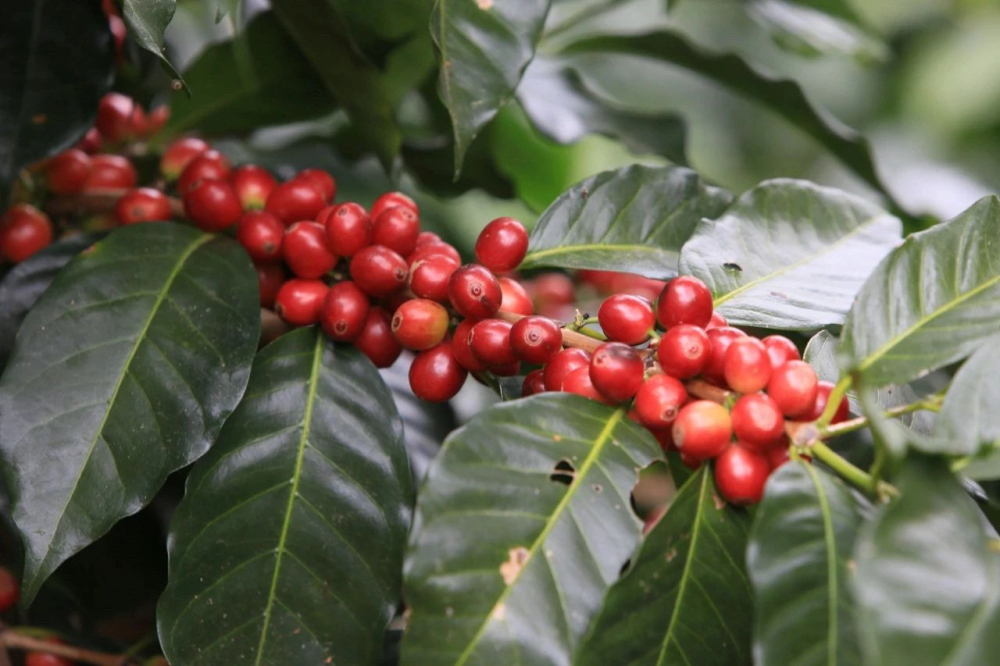
The reason Indonesian coffee varieties are so diverse and hard to classify mainly stems from the historical ravages of coffee leaf rust. In the early days, the Typica variety introduced by the Dutch was highly susceptible to disease, leading to widespread infection and reduced yields. To maintain coffee supply, more disease-resistant varieties had to be introduced from neighboring regions, such as Timor, Catimor, Caturra, and Robusta. Once these varieties took root in Indonesia, they interacted with the local environment and farming conditions, gradually evolving into numerous local variants, even acquiring different regional vernacular names—for example, Timor is often called Tim Tim or Bor Bor in Indonesia.
Due to the complexity of varieties and diverse naming conventions, Indonesian coffee is difficult to define solely by single variety when assessing quality. Coupled with historical regional cultures—such as Java Island coffee often referred to as Java coffee, North Sumatra known for Mandheling, Sulawesi for Toraja coffee, and even "kopi luwak" named after its unique processing method—it becomes clear that evaluating Indonesian coffee quality requires a multifaceted approach, including variety, origin, processing method, and grading standards.
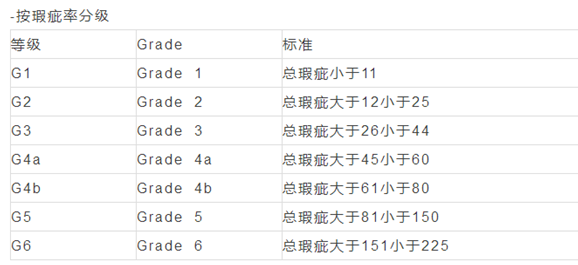
Indonesia’s green bean grading system primarily uses the number of defective beans as the core criterion, supplemented by bean size classification. Generally, Indonesian coffee is divided into six grades from G1 to G6, whereG1 is the highest grade, indicating fewer than 11 defective beans in the green lot, and is widely recognized as a symbol of high quality. Additionally, some higher-grade green beans also indicate bean size, such as the common 17/18 screen size, signifying uniform bean size and good maturity. Beyond defect rate and size, some specialty-grade Indonesian coffees also undergo multiple rounds of manual sorting, such as double picked (Double Picked) or triple picked (Triple Picked), to ensure the quality of each bean—this is especially important for wet-hulled processed coffees, as this method tends to mix in defective beans.
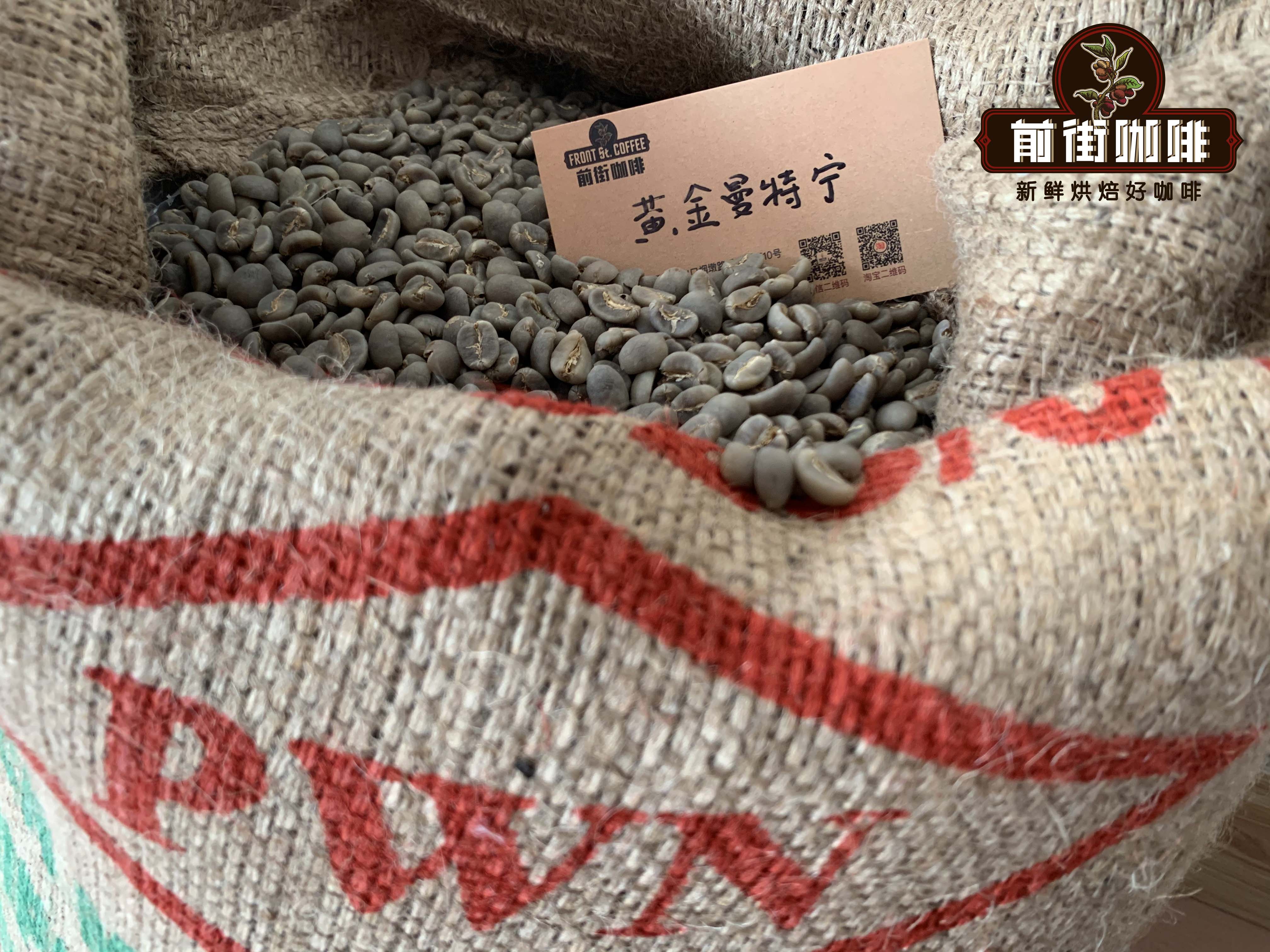
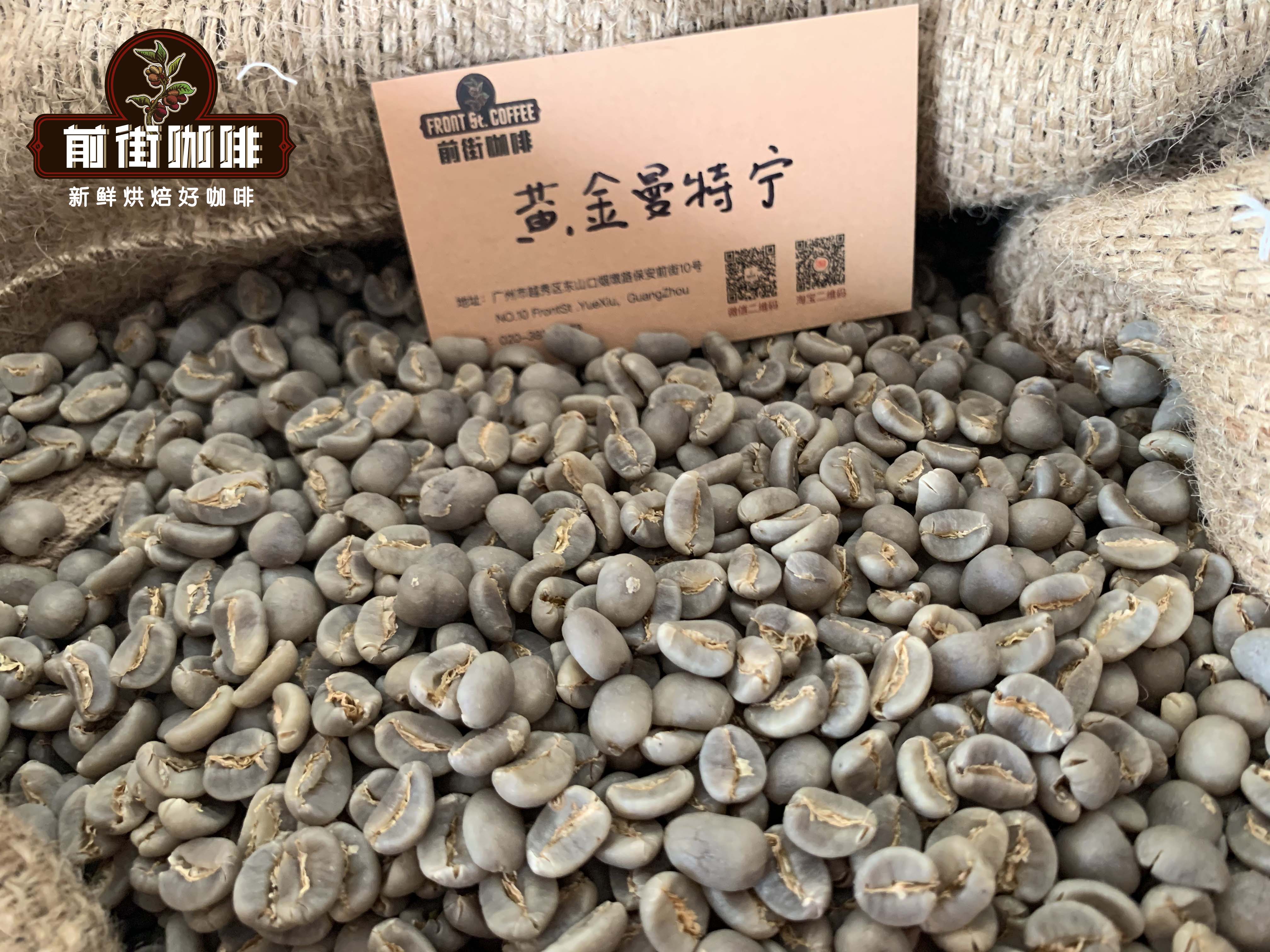
Take the renowned Golden Mandheling produced by PWN as an example: it comes from the Gayo Highlands in Aceh Province, the northernmost part of Sumatra, and is made from the local variant of the Catimor variety known as Ateng, meaning "Central Aceh." These coffee beans were harvested in October 2020 and entered the market in December of the same year. Their packaging clearly indicates detailed information, including green bean grade, processing method, and sorting frequency, making it an excellent example for understanding the labeling of high-end Indonesian green beans.
From the packaging, it can be seen that this batch of Golden Mandheling is clearly labeled asG1 grade, indicating its defect rate meets the highest standard. It has also undergone triple picking (Triple Picked) to ensure consistency and purity of the beans. Moreover, although the variety is called Ateng in Indonesia, it is actually a local variant of the Catimor variety—not the traditional Typica commonly found in the Lintong region. In recent years, the Lintong area has shifted heavily toward grafted varieties in pursuit of yield, resulting in a decline in flavor quality. As a result, PWN has shifted its procurement focus to the Gayo Highlands in Aceh to seek higher-quality coffee beans.
In terms of roasting performance, Golden Mandheling exhibits characteristics distinct from traditional Lintong Mandheling. It has a pronounced herbal note with rich caramel sweetness, gentle yet layered acidity, high body, and unique spicy and herbal undertones. Typically, Lintong Mandheling needs to be roasted beyond the second crack to reduce off-flavors, but Golden Mandheling can still deliver good sweetness and clarity even when dropped just before the second crack, giving it greater flexibility in roast curve adjustments.
For actual roasting parameters, it is recommended to start with an inlet temperature of 200°C, set the initial fan speed to 3, then adjust the heat to 160°C after one minute and maintain until the bean surface turns yellow (around 5 minutes 40 seconds, at 148°C). At this point, the grassy notes have dissipated, and the heat can be reduced to 140°C with the fan opened to 4. Until 9 minutes 40 seconds, when obvious wrinkles and black spots appear on the bean surface signaling the prelude to first crack, wait for the first crack to begin (around 9 minutes 54 seconds), then adjust the heat to 60 and fully open the fan. Finally, drop the beans at 204.5°C to preserve optimal flavor expression.
For brewing recommendations, to highlight Golden Mandheling’s full-bodied yet clean characteristics, it is suggested to use a KONO filter cone to simulate the rich mouthfeel of a cloth drip. For medium-dark roasted beans, a medium-coarse grind (approximately 57% passing through a #20 sieve) is advised, with a brew ratio of 1:13, 20 grams of coffee, and a water temperature of 87°C to balance sweetness and acidity.
For specific steps: First, slowly pour the coffee grounds to keep the bed level and avoid shaking the filter cone which could affect the bloom. The first stage involves pouring 40 grams of water for blooming, lasting about 30 seconds, during which the coffee bed will gradually expand into a “hamburger” shape. The second stage consists of pouring 120 grams of water in a circular motion from the center outward, with smooth movements to prevent excessive agitation. The final stage adds 100 grams of water until all the brew has dripped through the cone. The total extraction time is about 2 minutes, fully showcasing its aromatic layers of spice, nuts, chocolate, and caramel.
In terms of flavor, Golden Mandheling presents distinct nuttiness, chocolatey aftertaste, subtle spiciness, and clear herbal notes, along with rich caramel sweetness. Compared to Lintong Mandheling, its earthy, woody, and herbal off-flavors are significantly reduced, resulting in a cleaner taste with more pronounced sweetness—making it ideal for coffee lovers who enjoy a full-bodied cup without unwanted complexity.
The above content is compiled by CoffeeHunters, a coffee news website.


