








Introduction:Espresso-based coffee is a staple on café menus, but do you know the differences between espresso, americano, latte, and cappuccino? This article explains the brewing parameters, flavor profiles of each type of espresso drink, and includes practical brewing tips to help you find the one that best suits your taste, while also understanding the coffee science behind each cup.
Walk into any café, and espresso-based drinks are almost always an essential option. Many people’s first encounter with espresso often leaves them with a strong impression of bitterness, but in reality, the espresso-based coffee family derived from it is quite diverse—from the straightforward and intense espresso, to the water-diluted americano, to the milk-and-foam combinations of latte and cappuccino, and even the trendy dirty coffee of recent years. Each has its own unique ratio logic and layered flavors. This article will delve into the types, standard brewing parameters, and flavor characteristics of these common espresso drinks, so you can go beyond just ordering and truly appreciate the nuances of each cup.
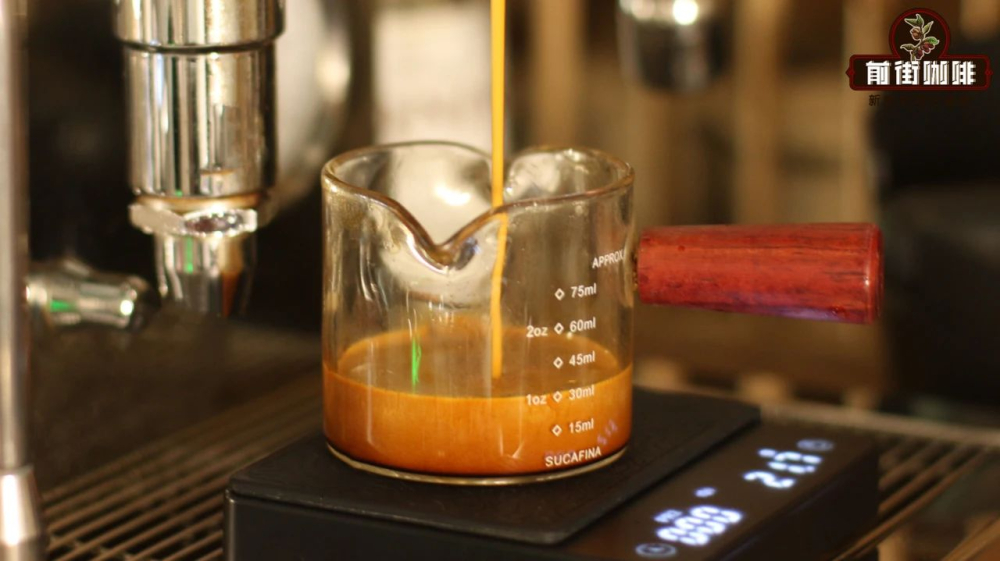
When it comes to espresso-based coffee, espresso is undoubtedly the core. This approximately 30 ml beverage is made by forcing nearly boiling high-pressure hot water—typically at 92 to 94 degrees Celsius and under 9 bar of atmospheric pressure—through finely ground and evenly tamped coffee grounds over a 20 to 30 second extraction period. It is not only rich and intense but also topped with a layer of fine, velvety coffee crema. The crema usually ranges in color from golden to dark brown, varying slightly depending on the roast level of the coffee. The crema is not just a visual highlight but also one of the key indicators of a successful extraction.Traditionally, Italy has strict standards for espresso brewing parameters to ensure that every cup delivers the most authentic flavor.

The name "espresso" actually implies "fast," suiting the efficiency-focused drinking habits of modern people. This type of coffee typically uses a house blend—coffee beans sourced from multiple regions blended together—to balance flavors and maintain consistent taste performance. To achieve efficient extraction in a short time, the coffee beans are usually ground to an extremely fine consistency, which is why home machines or uncalibrated equipment often struggle to perfectly replicate the essence of espresso. Additionally, because espresso itself is intensely flavored, many people add sugar or milk to balance it, leading to a variety of popular variations including con panna, macchiato, cappuccino, latte, and mocha.
Among the many espresso-based drinks, the most basic and common is espresso. It is usually made with dark roasted beans and extracted via high-pressure steam, resulting in a strong flavor, pronounced bitterness, and rich roasted aromas, making it a classic symbol of the coffee world. It’s worth noting that if the espresso extraction conditions are not ideal, subsequent espresso-based drinks made from it will also struggle to deliver their best flavors. Many cafés typically use a double shot of espresso (about 20 grams of coffee grounds) to make a shot weighing around 40 grams, topped with a layer of fine, rich crema—an important quality indicator.It is recommended that beginners observe the thickness and evenness of the crema as a way to judge whether the extraction was successful.
Americano is a variation made by diluting espresso with a large amount of hot water. It is said that this method originated during World War II when American soldiers visiting Italy, unaccustomed to the intense flavor of espresso, added hot water to mellow it out, eventually evolving into the popular americano we know today. A common ratio is 40 grams of espresso mixed with 180 ml of hot water, for a total volume of about 220 ml, with an espresso-to-water ratio of roughly 1:4.5. This blend retains the original aroma of the coffee while reducing its overall intensity, making it suitable for those who prefer a lighter flavor but still want to experience the layers of espresso.
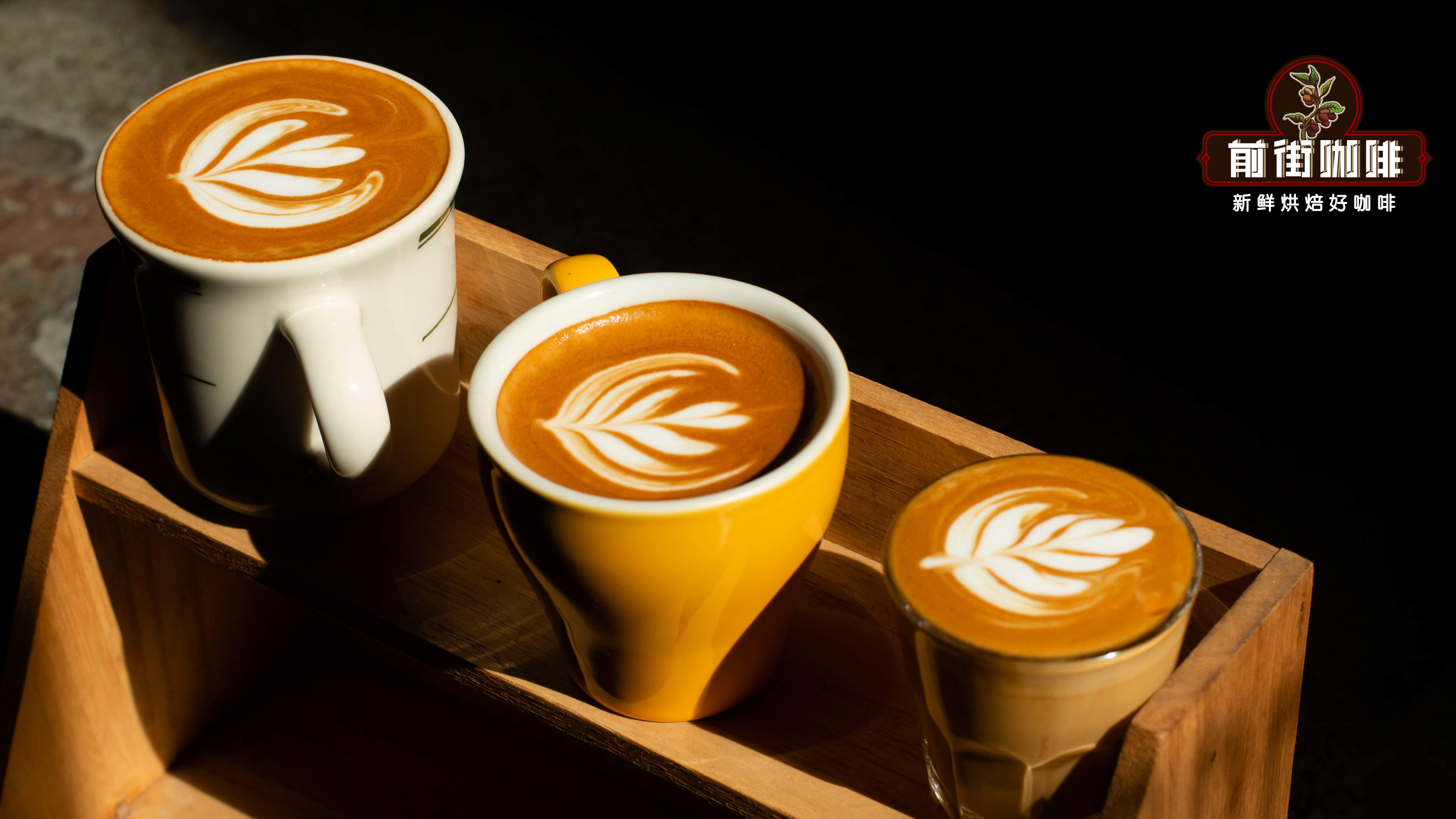
Latte, which means "milk" in Italian, is widely understood around the world as an espresso-based drink with a large amount of milk and foam. A common latte recipe consists of 1/5 espresso, 2/5 hot milk, and 2/5 foam. This combination balances the coffee aroma and milk flavor beautifully, and it’s also common to add flavorings like vanilla, caramel, or cinnamon for extra taste variation. Many cafés follow a standard latte recipe of a double shot of espresso (about 40 grams) with 260 grams of milk and about 1 cm of foam. This ratio creates a drink that is both smooth in texture and clear in coffee profile, and is also ideal for latte art.It is recommended to use freshly steamed milk, with the temperature controlled at 60–65°C for optimal flavor.
Cappuccino also consists of espresso, hot milk, and foam, but in a 1/3 espresso, 1/3 milk, and 1/3 foam ratio, giving it a more prominent coffee flavor and thicker foam. The name of this coffee is said to come from its resemblance to the color of the brown robes worn by Capuchin monks in Italy. Many cafés prepare it in a tulip cup of about 180 ml, first pouring in a shot of extracted espresso, then adding evenly whipped and fluffy foam, creating distinct layers and a rich mouthfeel. The key to a good cappuccino lies in the texture and evenness of the foam; too thick or too thin will affect the overall flavor balance.
Mocha is a delight for chocolate lovers. This coffee originates from a type of bean with a natural chocolate aroma, and later came to refer to any espresso drink with added chocolate. A typical recipe is 2/5 espresso, 2/5 hot chocolate, and 1/5 hot milk, combining the richness of coffee with the sweetness of chocolate for a smooth and layered taste. A standard mocha at many cafés consists of 40 grams of espresso, 20 grams of chocolate syrup, and 260 grams of hot milk. This combination perfectly balances sweet and bitter flavors, and it’s also great with whipped cream or extra chocolate shavings as garnish.
Macchiato, meaning "mark" or "stain" in Italian, originated in 1980s Italy. At the time, some customers would add a small amount of milk to their espresso, but because the milk quickly blended into the crema and became hard to distinguish, baristas began placing a spoonful of foam on top of the espresso to "mark" the difference between pure espresso and the lightly milked version. Today’s macchiato typically consists of a single shot of espresso with a small amount of foam. A standard recipe at many cafés is 40 grams of espresso with a spoonful of delicate foam. It has an intense flavor with a subtle hint of milk, making it a favorite among those who enjoy pure coffee but want a slight variation.
Caramel Macchiato, though unrelated to the traditional macchiato, is one of Starbucks’ most iconic espresso drinks. This beverage usually consists of a single shot of espresso (about 30 ml), plenty of milk, vanilla syrup, and caramel sauce, totaling about 355 ml. It offers a sweet and layered taste. When preparing it, attention must be paid to the ratio of milk to foam and the timing of adding the caramel sauce to create a sweet yet not overly cloying experience, while still preserving the clarity of the coffee aroma.
Dirty coffee is a standout variation of iced coffee that has gained significant attention in recent years. Its most distinctive feature is the visual "layering effect" and the contrast between hot and cold temperatures. This coffee is usually served in a glass without ice cubes, with hot espresso poured directly over iced milk to create a distinct color separation. A common recipe at many cafés is 150 grams of iced milk with 40 grams of espresso. When preparing it, care should be taken with the distance between the spout and the milk surface (about 1 cm is recommended) to ensure the coffee flows slowly and floats on top of the milk, creating the "dirty" visual effect and the surprising contrast of hot and cold flavors.Dirty coffee does not require stirring. It is recommended to drink it quickly before the iced milk is fully affected by the hot coffee, in order to experience the full range of flavor changes.
The above content is compiled by CoffeeHunters, a coffee news website.


