







Introduction:Panamanian Geisha coffee stands out in the specialty coffee world with its distinctive floral and fruity aromas, bright acidity, and silky smooth mouthfeel, making it a leader among premium coffees. But do you know why it's so expensive? What’s the difference between Red Label and Green Label? This article will delve into the flavor origins of Geisha, its grading differences, and provide practical pour-over brewing suggestions along with three-stage extraction parameters to help you gain a deeper understanding of this legendary coffee bean.
In the world of specialty coffee, Panamanian Geisha has always held an unshakable position. With its intense floral notes, complex citrus and peach acidity, buttery-smooth mouthfeel, and the faint hint of oolong tea in the aftertaste, it is regarded as the pinnacle of high-end coffee flavors. This exceptional experience also keeps Geisha's market price consistently high, making it a dream coffee for many enthusiasts.
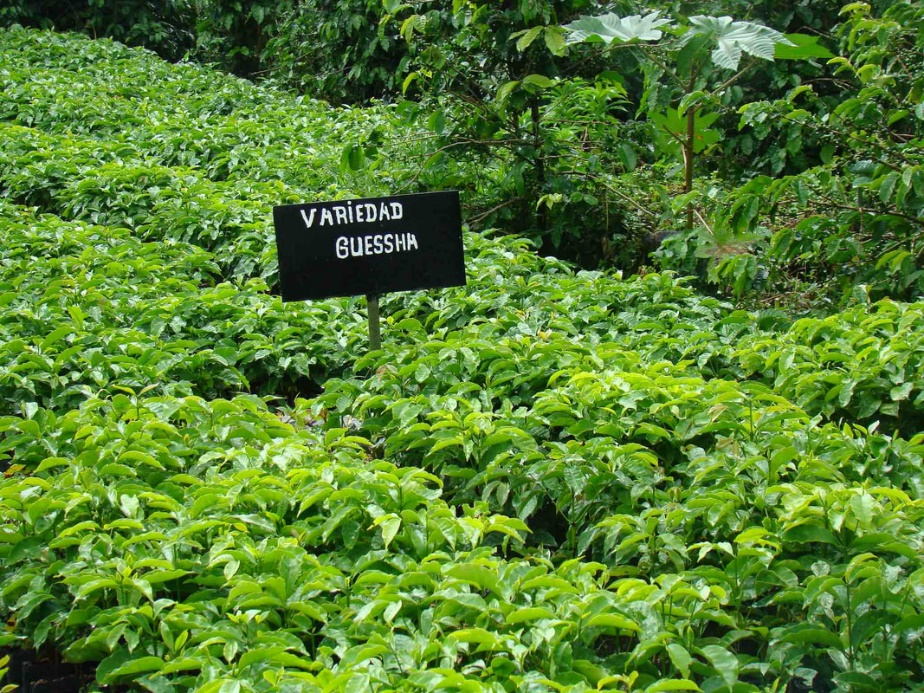
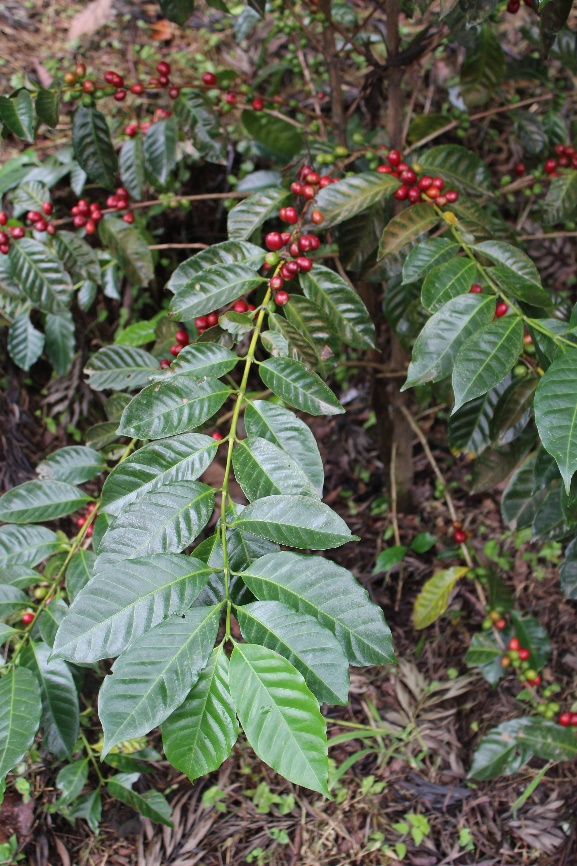
So, what exactly creates such extraordinary flavors in Geisha? The answer lies in Panama’s high-altitude mountain regions and the variety’s extremely demanding environmental requirements.Not only is Geisha produced in limited quantities,but the plants also have stringent growing conditions, requiring specific shade levels, soil types, and altitudes—all of which contribute to its unique aroma and flavor profile.
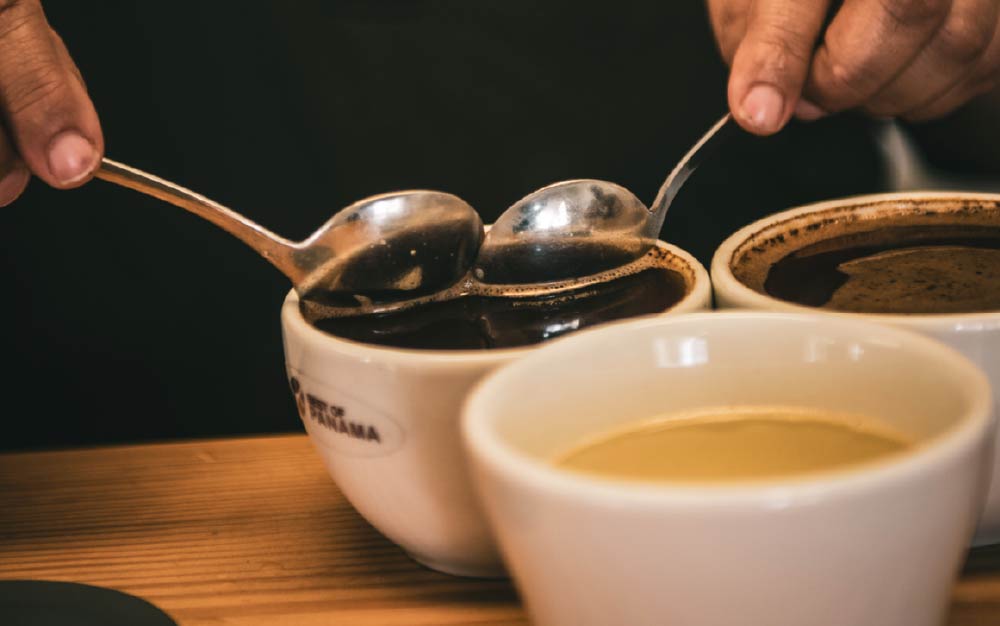
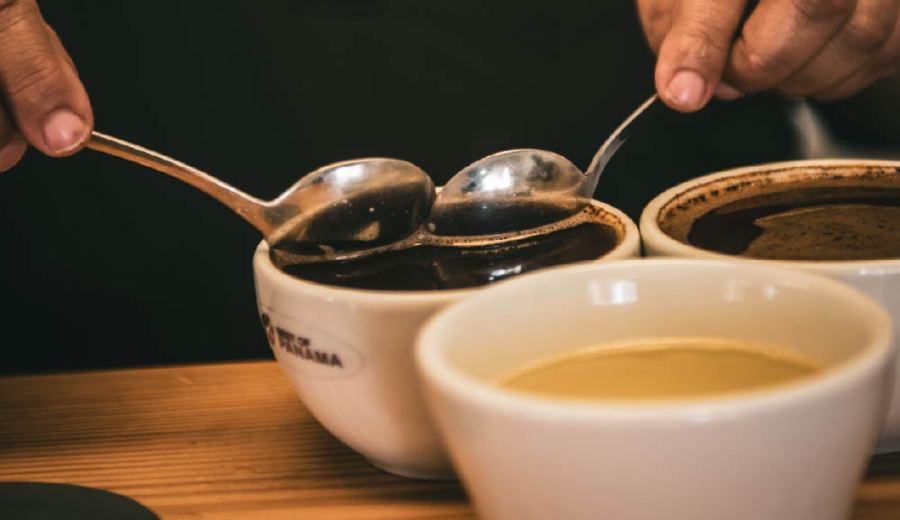
The widespread attention Geisha has received is inseparable from its discovery at Panama’s Hacienda Esmeralda in 2003. At that time, the farm owner Daniel unexpectedly found during cupping that this variety had flavors distinct from the then-mainstream—distinct layers of jasmine, citrus, peach, blueberry, and bergamot—which eventually won top honors at the Best of Panama (BOP) competition, catapulting it to international fame. Later, it received continued high praise from the Specialty Coffee Association of America (SCAA) in 2005 and 2006, bringing Geisha from Panama to the center stage of the global specialty coffee market.
However, the rarity and high cost of Geisha are not only due to its outstanding flavors, but also stem fromits extremely low yield and finicky growing conditions.Panama’s total annual coffee production is about 10,000 metric tons, while Hacienda Esmeralda produces only about 150 bags of green beans annually, equivalent to roughly 9,000 kilograms—of which Geisha accounts for only about 3%, or around 270 kilograms. Additionally, Geisha plants produce small yields, have thin leaves and fragile root systems, requiring high altitudes, shaded environments, and fertile soils. All these factors lead to very low overall production capacity, making each Geisha coffee bean incredibly precious.
Moreover, Geisha is highly sensitive to growing altitude—the higher it’s planted, the longer the fruit takes to mature, resulting in richer and more nuanced flavors. Generally, Geisha thrives at elevations between 1,600 to 1,800 meters in mountainous regions, which also means lower yields and higher cultivation challenges. For this reason, Geisha is not only synonymous with flavor, but also a symbol of scarcity and craftsmanship.
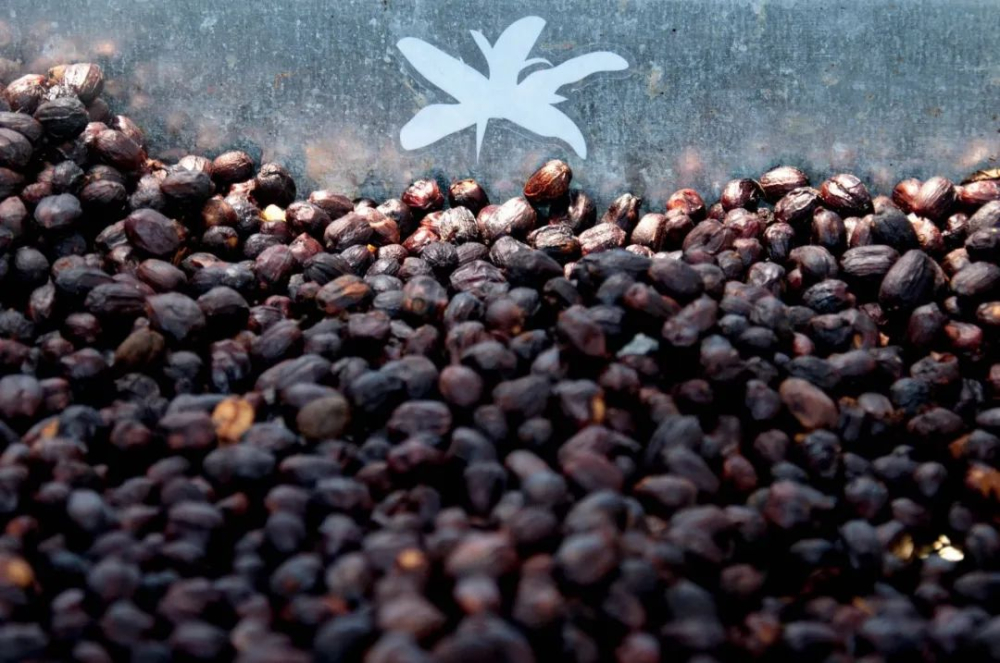
In the market, Geisha is usually categorized by Red Label and Green Label grades. The Red Label represents the Esmeralda Special grade (ESMERALDA SPECIAL), including auction lots, typically sourced from the Jaramillo and Cañas Verdes farms, grown at altitudes between 1,600 to 1,800 meters, often scoring over 90 points in cupping. These Red Label lots are auctioned separately, with notable examples like the Mario plot of the Jaramillo farm being highly sought after by coffee enthusiasts.
As for the Green Label, it belongs to the Private Collection grade (PRIVATE COLLECTION). Although it doesn’t participate in auctions, it is still grown at high altitudes and sourced from multiple micro-lots, with equally impressive flavor profiles. The Green Label typically offers refreshing notes of lemon, berries, grapefruit, and oolong tea, suiting those who prefer bright acidity and a tea-like finish. Though slightly lower in grade than the Red Label, it remains one of the representatives of high-quality Geisha.
It’s worth mentioning that whether Red Label or Green Label, Hacienda Esmeralda insists on using either natural or washed processing methods to best showcase the original flavor characteristics of Geisha. Especially in high-altitude environments, the natural drying process helps retain more floral and fruity aromas, making each sip a delightful surprise.
If you want to experience the charm of Geisha at home, pour-over brewing is the method that best highlights its delicate flavors. Generally,lightly roasted Geisha retains the most floral, fruity aromas, and acidity.Therefore, it is recommended to use water at 92–93°C for extraction, and choose a grind size similar to superfine sugar (about 80% passing through a #20 sieve, roughly equivalent to ek43s grinder setting 10).
Below is a set ofthree-stage pour-over parametersthat have been tested in practice, suitable for use with a V60 filter cone and Red Label Geisha natural sun-dried batches:
- Dose: 15 grams
- Coffee-to-water ratio: 1:16
- Water temperature: 91–92°C
- Grind size: Superfine sugar (80% passing through a #20 sieve)
Extraction steps are as follows:
- First, pour 30 grams of hot water for a 30-second bloom;
- then, at around 1 minute, pour 95 grams of water (total around 125 grams);
- when the water level drops to two-thirds of the coffee bed, pour the remaining 100 grams of water (total around 225 grams), completing all pouring at approximately 1 minute and 35 seconds;
- total extraction time should be controlled around 2 minutes and 10 seconds, after which remove the filter cone to finish brewing.
This extraction method fully releases Geisha’s citrus, berry, rose floral notes, and black tea-like aftertaste, with distinct layers and a smooth mouthfeel. It is also recommended to use freshly roasted beans (preferably within 5 days) for the best flavor expression.
For filter cones, the V60 is recommended by many baristas as the top choice due to its fast flow rate and extended contact time between water and coffee grounds, effectively highlighting the delicate aromas and complexity of Geisha.
The above content is compiled by CoffeeHunters, a coffee news website.


