








Introduction:Learning latte art involves not only technique but also the selection of tools. This article provides beginners with a detailed guide to essential latte art equipment, covering everything from espresso preparation and milk frothing to pouring the final design. It includes key considerations for choosing grinders, espresso machines, milk frothing tools, pouring pitchers, and cups. In addition to introducing the functions and selection tips for each tool, it also offers practical advice on common issues to help you take your first confident step into the world of latte art.
To enter the world of coffee latte art, you first need to understand the basic toolkit required. A complete set of latte art tools includes not just the pouring pitcher and cup, but also the coffee beans, grinder, and espresso machine for making espresso, as well as whole milk and a steam wand for creating milk foam. Mastering these fundamental elements is essential for consistently producing fine milk foam and extracting coffee with a rich crema, which together form the foundation for beautiful latte art designs.

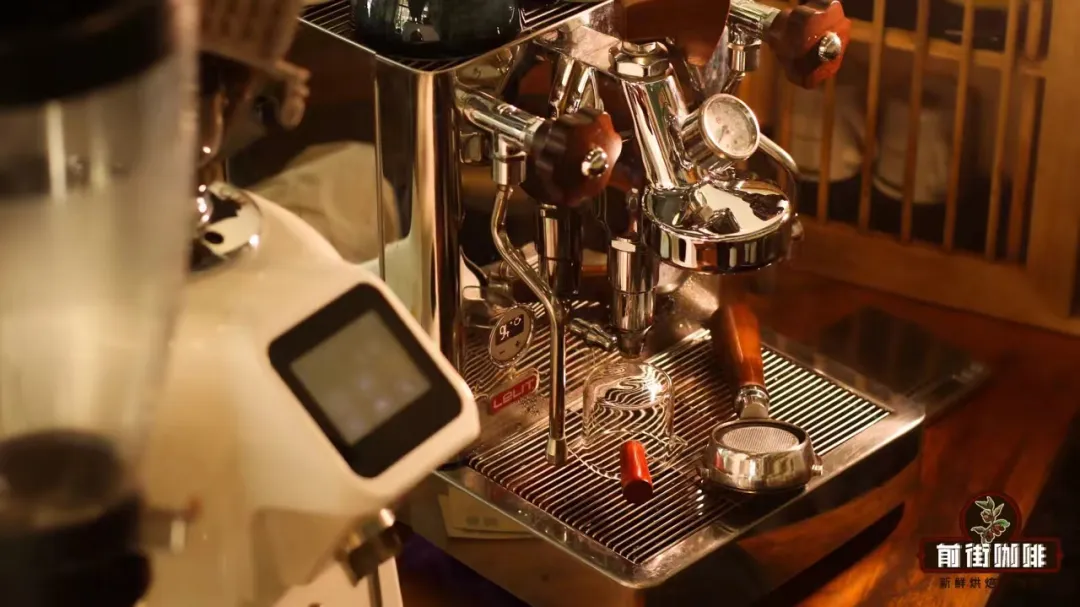
Let’s start with the essence of coffee itself. The core of a successful latte lies in the perfect harmony between espresso and milk foam. Therefore, a reliable espresso machine and a competent grinder are indispensable. For beginners, it’s recommended to use dark-roasted blends, as their crema is typically richer and more persistent, aiding both the presentation and stability of latte art patterns. These beans are often blended from regions such as Brazil, Indonesia, and Vietnam. Not only do they offer bold flavors, but they also release a wealth of fine crema during extraction, making them ideal for milk-based drinks like lattes and cappuccinos.
The texture of milk foam is one of the keys to successful latte art, and the milk itself—its source—is even more crucial. Whole fresh milk is the top choice for most latte art enthusiasts due to its higher fat and protein content, which helps produce dense and long-lasting foam. Additionally, milk should be kept refrigerated. The lower temperature not only extends the time fats and air can mix during frothing but also makes the foam more stable, resulting in clearer and smoother latte art patterns. Remember to shake the milk well before frothing to ensure uniformity, which contributes to consistent texture.
There are several options for making milk foam, including the steam wand built into espresso machines, manual milk frothers, and electric milk frothers. For beginners, it’s best to start with a single-hole steam wand, as its steam output is gentler and easier to control in terms of intensity and angle, allowing for steady air incorporation into the milk and resulting in fine microfoam. While manual frothers and electric frothers can also produce foam, they require higher technical skill and a better sense of touch. Beginners often encounter issues such as overly coarse or overheated foam, so it’s advisable to try these after gaining some foundational experience.
Next comes the star of the latte art process—the pouring pitcher. Choosing the right pitcher is crucial for controlling the flow of milk foam and shaping the design. Generally, stainless steel pitchers with capacities of 300ml, 350ml, or 600ml are common and practical choices, which can be adjusted based on personal preference and the steam pressure of your espresso machine. In terms of design, look for a pitcher with a wide base that tapers upward, as this helps concentrate and stabilize the foam. The spout design is equally important—a rounded, slightly outward-curved wide spout allows for smoother pouring, reducing wobbling and interruptions. If the spout has an internal ridge or long groove, it can further aid in directing the foam, enhancing precision.

Finally, don’t overlook the choice of cup. For latte art beginners, it’s recommended to use cups that are shorter in height, have a rounded bottom, and a slightly wider mouth. These shapes not only make it easier to control the pouring time but also allow the design to appear more clearly. Tall cups, while common, pose challenges for novices as the longer pouring time can cause the foam to collapse or the design to blur, hindering practice and presentation.
In summary, every stage—from espresso extraction and milk frothing to handling the pouring pitcher—relies on the right tools to shape the final latte art outcome. Understanding the characteristics and selection criteria of these essential tools will help you progress more smoothly in your latte art journey, gradually improving your skills and creativity while enjoying the artistry of coffee.
The above content is compiled by CoffeeHunters, a coffee news website.


