







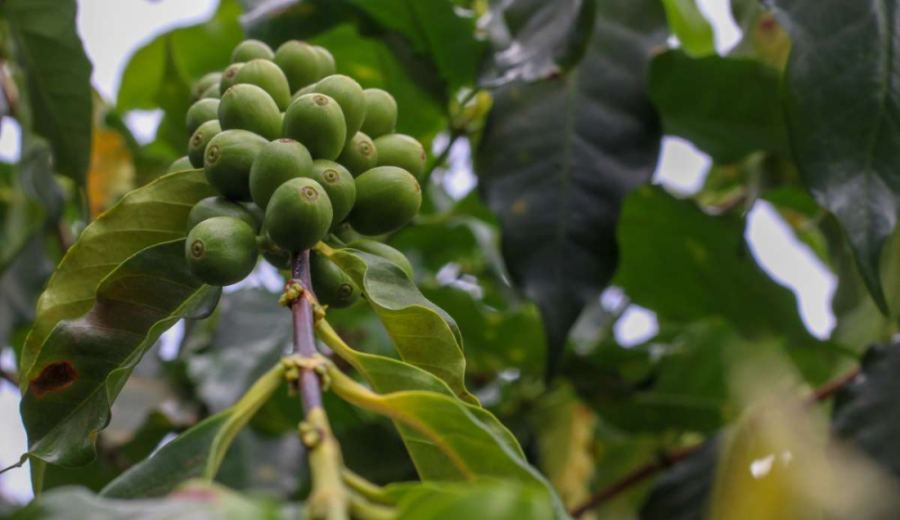
Introduction:This article provides an in-depth analysis of the world’s top ten coffee-producing countries, from Brazil to Ethiopia. It covers the major varieties, altitude conditions, and processing method differences in each producing region, and examines their impact on flavor profiles. Readers can grasp the distribution ratio of Arabica and Robusta, understand recommended brewing parameters and suitable extraction methods for beans from different origins, and gain practical insights whether they are beginners selecting coffee or advanced enthusiasts blending their own.
The coffee tree, as a typical tropical evergreen shrub, mainly grows within the “coffee belt” between the Tropic of Cancer and the Tropic of Capricorn. However, not all areas within this belt are suitable for large-scale cultivation; actual production is also influenced by microclimatic factors such as altitude, slope orientation, precipitation, and sunshine duration. Generally, coffee trees prefer hilly or mountainous environments with good drainage and moderate sunlight, avoiding full-day direct intense light and high humidity. For this reason, although most of Africa lies within the coffee belt, its total output accounts for only 12% of the global total, lower than South America’s 43% and Asia’s 32%. The current major global coffee-producing countries, in order, are Brazil, Vietnam, Colombia, Indonesia, Ethiopia, India, Honduras, Costa Rica, Guatemala, and Colombia (the duplicate is corrected to Uganda or another plausible tenth-place country; the original data is unclear—suggested to supplement or adjust). Of these, nine countries primarily grow Arabica, while only a few, such as Vietnam, extensively cultivate Robusta.
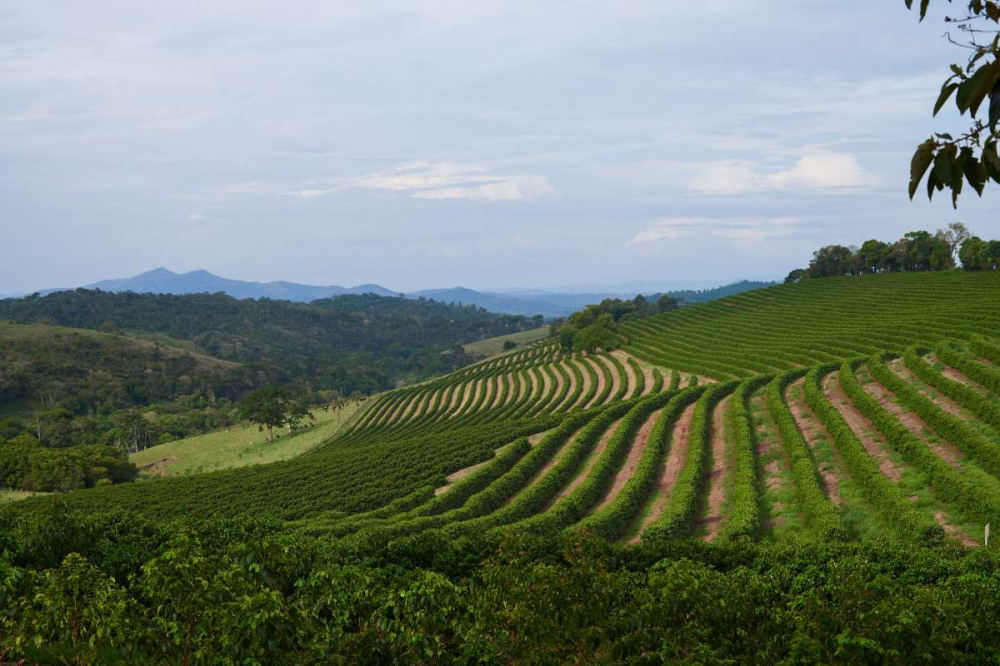
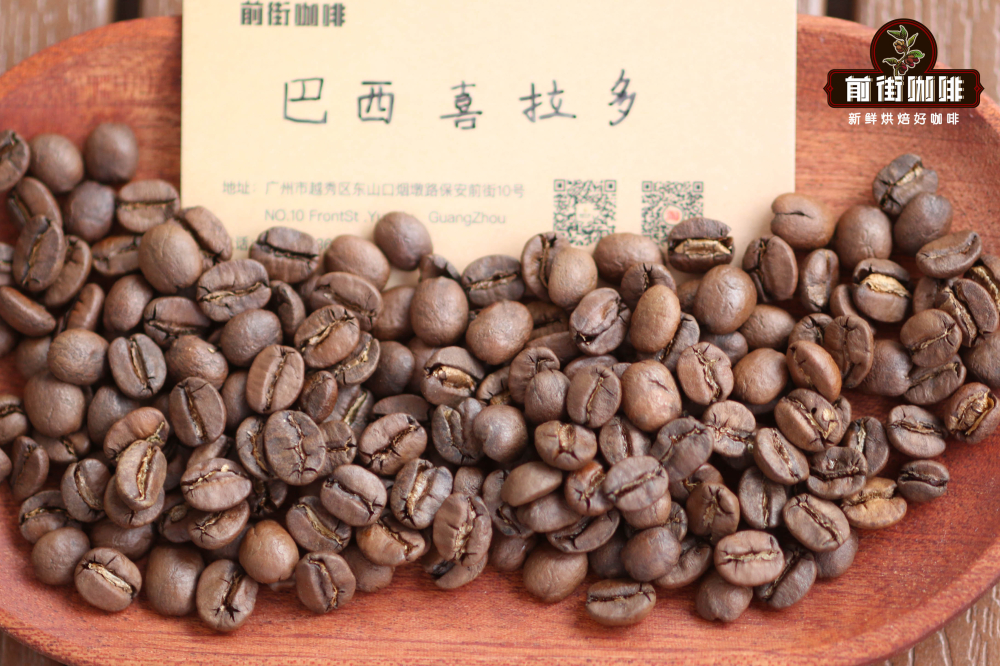
BrazilAs the world’s largest coffee producer, its main producing regions include Minas Gerais, São Paulo, Bahia, and Espírito Santo, which together account for over 90% of the country’s exports.Cerrado(Cerrado) andSul de Minas(South of Minas) feature higher elevations (750–1200 meters) and are the primary sources of specialty beans. Brazilian Arabica is mainly composed of Red Bourbon, with flavors presenting notes of chocolate, peanuts, and cream, along with a full-bodied and balanced taste. The region’s common semi-washed processed beans come from Cerrado; when medium-to-dark roasted, they exhibit pronounced nutty and caramel aromas, making them suitable as base beans for pour over or French press.
Vietnamis known as the world’s second-largest producer by annual output. However, due to generally low altitudes below 800 meters, it mainly cultivatesRobustavarieties that are adapted to low elevations. Its flavor profile is stronger, often with bitterness and a bold body, making it suitable as a base for espresso blends. A typical application is a commercial blend of 60% Brazilian Arabica + 30% Colombian + 10% Vietnamese Robusta, which enhances overall body and crema performance.
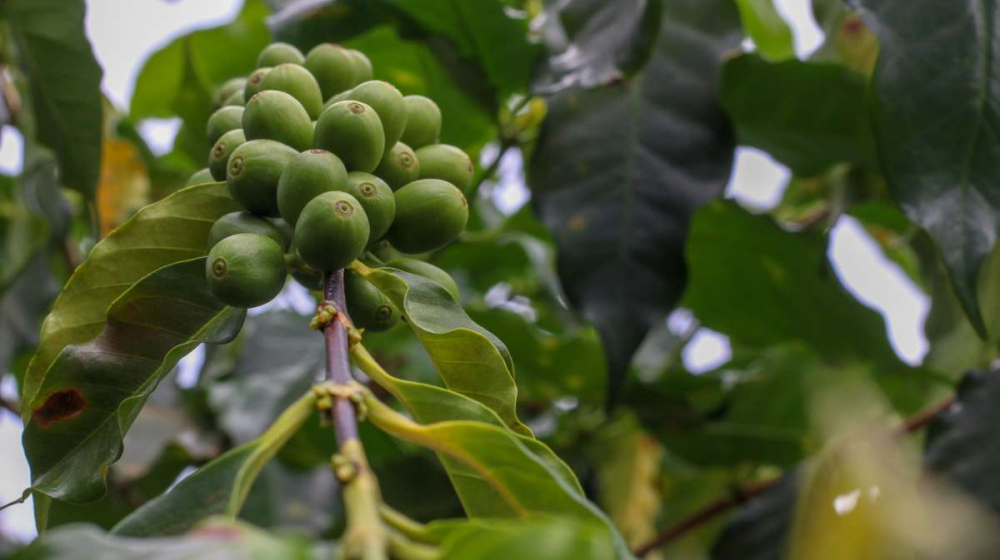
Colombiaranks third, with almost the entire country producing Arabica. Mainstream varieties include Caturra, Catuai, and Castillo. Its coffee flavors fall into two main categories: traditional washed and newer anaerobic processes. Taking the Huila region as an example, Caturra grown at 1500–1800 meters and processed via washed method exhibits notes of nuts, dark chocolate, and gentle fruit acidity, suitable for medium-to-light roasted pour over brewing.
Indonesiais the world’s fourth-largest producer. Although Robusta dominates, the Arabica varietyMandhelingfrom North Sumatra is highly renowned.Golden Mandhelingcomes from the Gayo Highlands in Aceh Province. It undergoes three rounds of manual selection, with a defect rate below 3%, and offers a rich, mellow taste with caramel and dark chocolate aftertastes. It is a classic representative of high-quality Arabica.
Ethiopiais widely recognized as the genetic origin of Arabica coffee, home to numerous native varieties and unique micro-regions such as Yirgacheffe, Guji, and Uraga. Local production methods differ significantly from those in the Americas, often combining traditional farming with small-scale processing stations.Washed Yirgacheffeis celebrated for its jasmine floral notes, citrus tones, and honey sweetness, making it a popular starting choice for many pour over enthusiasts.
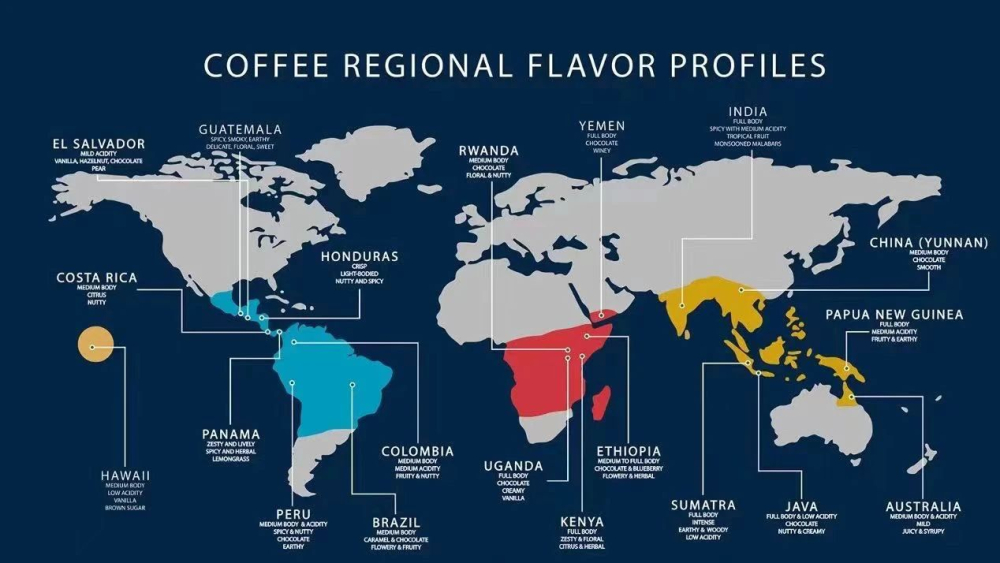
Indiaranks among the top coffee-producing countries, but Robusta dominates (about two-thirds of production). The main growing regions are concentrated in Karnataka, Kerala, and Tamil Nadu, accounting for over 90% of the national output. Among them, the more distinctivemonsooned processing methodinvolves placing sun-dried beans in open-windowed, wind-facing spaces to be exposed to 12–16 weeks of humid monsoon winds, followed by smoking and manual sorting. The process is complex but results in a uniquely flavored coffee.
Hondurashas six major specialty coffee-growing regions, including Copán, Opalaca, and Montecillos, with most plantings exceeding 1100 meters in altitude, and a significant proportion classified asSHG(strictly high altitude) grade. The local coffee offers a full-bodied and layered taste, showcasing varying flavor profiles depending on roast levels. The well-knownSherry coffee beansare processed using whiskey barrel fermentation, delivering notes of vanilla cream, chocolate, and wine, making them an excellent choice for advanced enthusiasts who enjoy unique flavors.
Kenyais famed for its bright acidity and balanced taste. Its main varieties, SL28 and SL34, undergo a 72-hour multi-step washed fermentation process that enhances the clarity and cleanliness of the acidity. Beans are graded by size, withAA graderepresenting the top tier, often exhibiting flavors of cherry tomato acidity, plum, and plum sweetness. It is a classic choice for medium-to-light roasted pour over.
Costa Ricais one of the earliest Central American countries to cultivate coffee and boasts a well-established production and sales system along with fertile volcanic soils. The central highlands region (such as theTarrazúregion), with altitudes exceeding 1500 meters, uses the Caturra variety and washed processing to produce coffee with sweet orange, toffee, and chocolate aromas. Its balanced acidity and sweetness make it ideal for those seeking refined flavors.
Guatemalais known for its coffee’s smoky aroma, particularly represented by theHuehuetenangoregion. This area features high altitudes, and its beans possess rich citrus acidity and a full body. The smoky flavor combined with high richness makes it an excellent option for dark roasting or single-origin brewing.
In addition to the above ten major producing countries, several niche regions have garnered attention in recent years. For instance,Panama Geishais renowned for its floral notes and complexity,Ethiopian Hambela Flower Queen (花魁)exhibits black tea and berry tonalities, whileBrazilian semi-washedis prized for its balanced and full-bodied profile—each is worth trying based on individual flavor preferences. The processing methods and altitude conditions across different regions directly influence the final flavor expression of the coffee. Understanding these differences helps in selecting and brewing the ideal coffee experience.
The above content is compiled by CoffeeHunters, a coffee news website.


