







Introduction:Mandheling coffee has carved out a niche in the specialty coffee world with its distinctive bold bitterness and herbal aroma. This article delves into the cultivation history of Sumatran Mandheling, the evolution of the Catimor and Tim Tim varieties, explores how the wet-hulling process shapes its classic flavor profile, and details the selection criteria and roasting characteristics of Golden Mandheling. It also provides practical pour-over parameters and resting advice to help you fully grasp the essence of this classic coffee from origin to cup.
As the world’s second-largest coffee producer, Indonesia’s Mandheling coffee from the island of Sumatra is renowned for its deep, bold bitterness and unique herbal and piney aromas. Unlike the currently popular high-acid, bright flavor profiles, Mandheling showcases a profound and rich complexity, making it a favorite among drinkers who prefer intense tastes. This article will comprehensively decode the flavor secrets of this classic coffee, from its planting origins and processing methods to its premium grading.
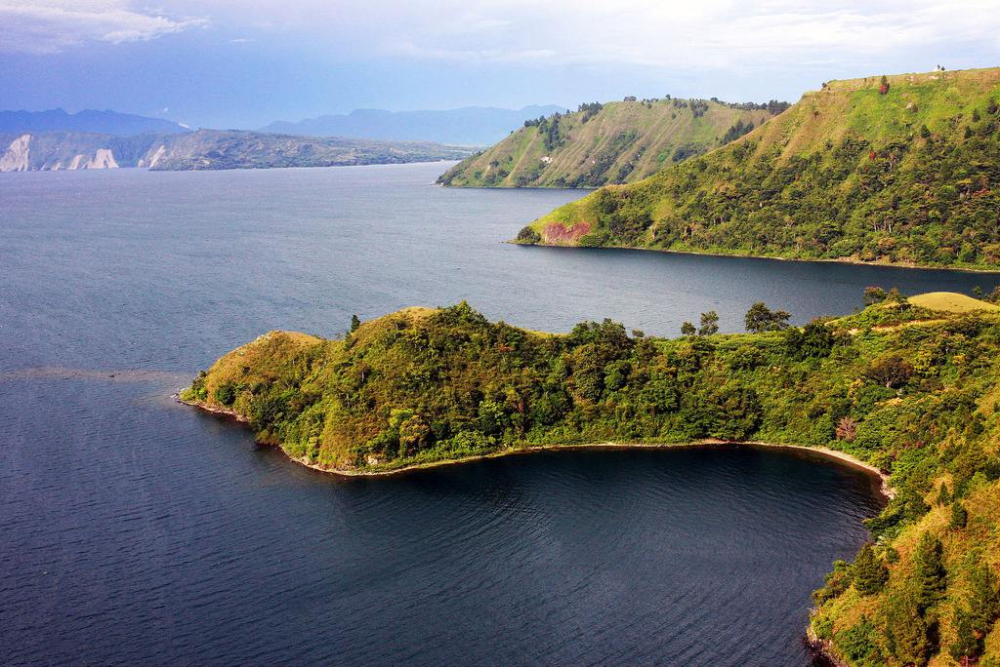
Coffee cultivation in Indonesia dates back to the late 17th century, when Dutch colonists introduced coffee to Java Island before expanding to Sumatra. After the outbreak of coffee leaf rust in the 19th century, local farmers switched to more disease-resistant varieties, including Tim Tim and Ateng, which have Robusta lineage. These varieties gradually adapted to Sumatra’s hot and humid climate, developing unique herbal and spicy notes that became a key foundation of the Mandheling flavor.
The processing method has a crucial impact on coffee flavor, and Sumatra’s uniquewet-hulling processis at the heart of what defines Mandheling’s signature flavor. Due to the region’s humid and rainy climate, traditional sun-drying or washed processing is difficult to control, so farmers developed this efficient method: first removing the fruit skin and part of the mucilage, allowing the parchment-covered beans to undergo initial fermentation in a semi-dry state (with 30–50% moisture content), then using specialized machinery to remove the still not fully dried parchment layer, and finally continuing to dry until the moisture content reaches 12%. This process, due to the high temperature, humidity, and compressed processing time, imparts Mandheling’s deep herbal notes and pronounced piney tones.
While the wet-hulling process creates unique flavors, it also brings challenges: coffee beans are forcefully hulled in a semi-dry state, which can easily lead to compression and deformation, forming cracks resembling deer hooves. Such beans are commonly known as "deer hoof beans." To improve overall quality, Indonesia’s renowned green coffee trader PWN employsone machine sort plus three manual hand sortsto strictly eliminate defective beans, ensuring they meet the highest Grade 1 (G1) standard. The meticulously selected Mandheling, with its surface glossy and translucent like gold, is thus called "Golden Mandheling."
This coffee’s selection process significantly reduces the defect rate, resulting in better cleanliness and aroma expression. Cupping results show that its flavor profile becomes clearer, with richer sweetness and aromatic layers. During roasting, amedium-dark roast levelis chosen to highlight the bold taste of dark chocolate and smokiness, while preserving the delicate notes of herbs and spices.
After roasting, coffee beans release a large amount of carbon dioxide and require an appropriate resting period to reveal their optimal flavors. Generally,medium-dark roasted coffee beans need 7–10 days of resting. Once the peak degassing period passes, the aroma and flavor will gradually stabilize. It is recommended to choose freshly roasted beans (within 5 days of roasting) for the best extraction results.
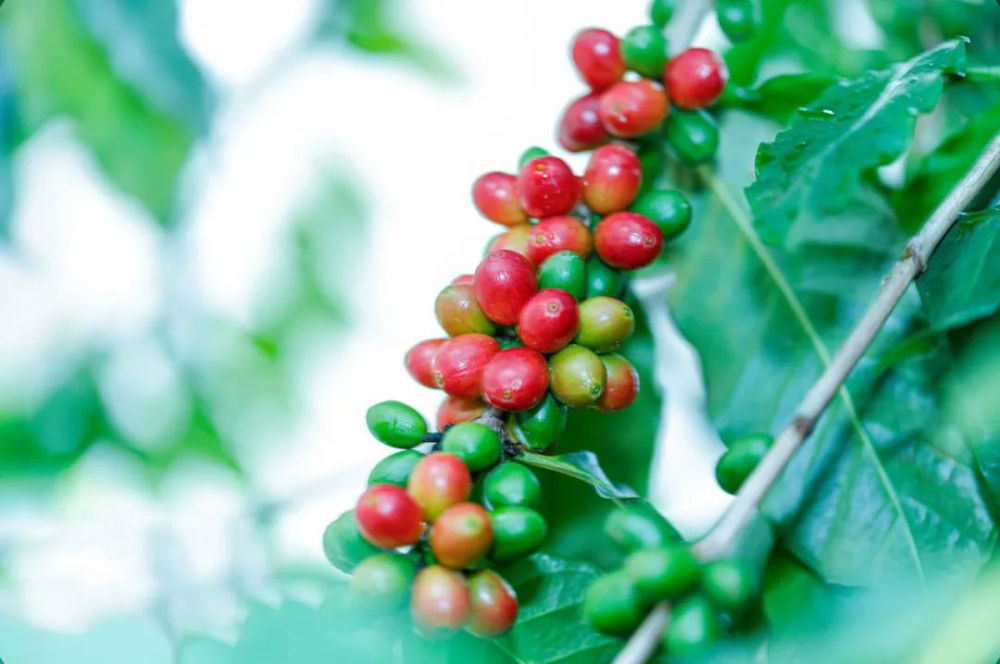
When brewing Golden Mandheling, it is recommended to usewater at 87–88°Canda medium grind size (70% passing through a #20 sieve), with a coffee-to-water ratio set at 1:15. The specific steps are as follows: first, bloom the coffee grounds with hot water twice their volume for 30 seconds, then pour water in small streams in a circular motion from the center outward until reaching 125 grams for the first pour. When the coffee bed drops to about half the height of the filter, continue pouring until reaching 225 grams, with a total extraction time of about 2 minutes. These parameters balance bold body and clear layers, presenting complex aromas of nuts, caramel, and chocolate, with a long-lasting and well-balanced aftertaste.
The above content is compiled by CoffeeHunters, a coffee news website.


