







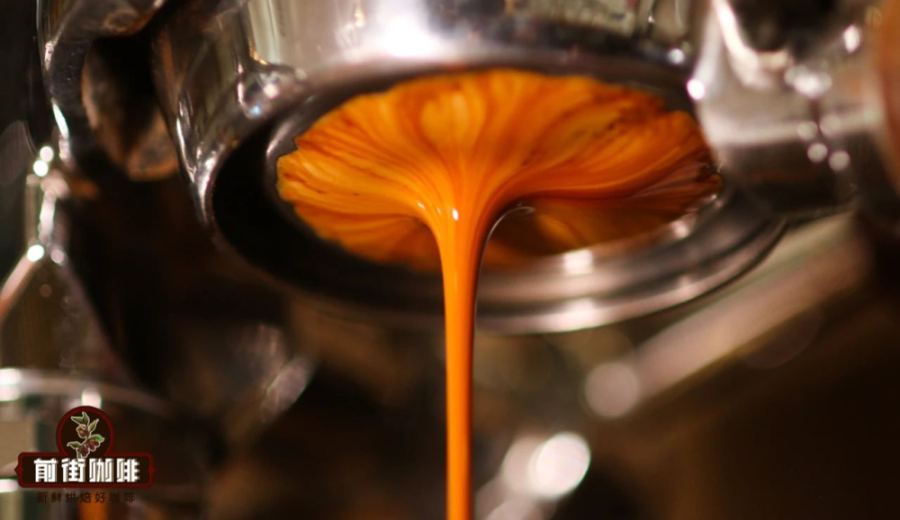
Introduction:Once espresso is over-extracted, it not only loses its aroma but also brings intense bitterness and burnt flavors, severely affecting the overall taste. This article delves into the common signs of over-extraction—such as a throat-grabbing sensation, burnt bitterness, and off-flavors—to help you quickly identify the issue. It also provides practical solutions, including advice on choosing the roast level of coffee beans, recommended coffee-to-water ratios and extraction times, and uses a classic double shot of espresso as an example to explain equipment parameters and operational details, so you can consistently pull rich and smooth espresso at home.
When making a perfect shot of espresso, over-extraction is one of the most common yet often overlooked issues. Over-extraction not only significantly weakens the coffee’s original aroma but also leads to a series of unpleasant taste experiences, such as intense bitterness, pronounced burnt notes, abrupt astringency, and even discomfort in the throat. If you find your espresso harsh on the palate, overly sour, and lacking in aroma, over-extraction is likely the culprit.
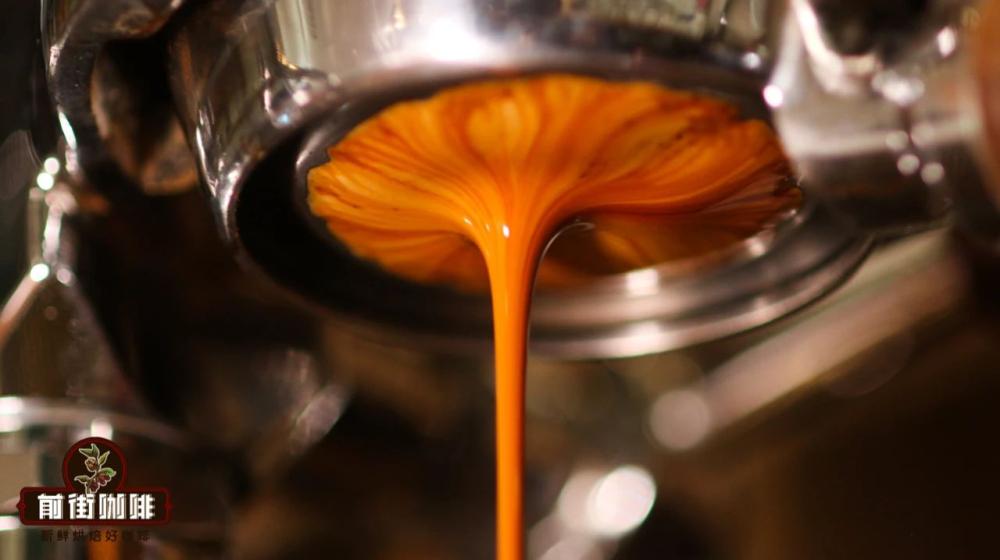
So, what are the typical flavor characteristics of over-extraction? First and foremost, there’s often a distinct burnt or charred smell, similar to scorched bread or charcoal. Next is an unpleasant bitterness—not the rich bitterness expected from dark roasts, but a sharp and lingering one. Additionally, off-flavors such as plastic, cardboard, or metallic notes may appear, all of which could be warning signs of improper extraction conditions. Moreover, over-extracted espresso often creates an unnatural astringency in the mouth and leaves a long-lasting burning or throat-catching sensation after swallowing. If your espresso exhibits several of these negative traits simultaneously, it’s almost certainly over-extracted.
To avoid over-extracting your espresso, the first priority is selecting the right coffee beans. Many people who end up with over-extracted shots at home actually have an issue with using beans that are roasted too dark. Dark-roasted beans, due to high-temperature and prolonged processing, produce a large amount of caramelized and carbonized compounds, which are extremely prone to releasing excessive bitterness and off-flavors during extraction. Therefore, it is recommended to choosemedium or medium-dark roasted espresso blends, as these beans typically achieve a better balance between acidity, sweetness, and bitterness, and are more suitable for crafting an espresso with distinct flavor layers.
For example, users who prefer mellow aromas like cream or nuts might consider medium-roasted blends with nutty profiles, such as a certain brand’s Queen Estate SOE; if you prefer fresh floral and fruity notes, blends like Strawberry Candy can showcase soft expressions reminiscent of rose petals and strawberry gummies, resulting in espresso with more complexity and variation.
Besides the beans themselves, the coffee-to-water ratio and extraction time are also key factors influencing whether over-extraction occurs. For home espresso machine users, it is recommended to usea 1:2 coffee-to-water ratio, meaning approximately 40 grams of coffee liquid extracted from 20 grams of coffee grounds, while keeping the extraction time within25 to 30 seconds. Exceeding this time range often leads to over-extraction of flavor compounds, resulting in over-extracted flavors.
In actual espresso preparation, equipment selection is equally important. By standard commercial shop measures, commercial machines like the Lelit Bianca can precisely control extraction pressure through their pressure regulation systems, reaching up to 11 bar. However, for home machines, as long as the pressure can be stably maintained around 9 bar, it is sufficient to meet basic extraction needs. Pairing with a high-quality grinder further ensures uniform grind size, which is beneficial for stable flow rate and extraction performance.
On a practical operational level, it is recommended to use a double-shot portafilter, with the coffee dose generally controlled between 18 to 20 grams. The extraction ratio is usually set within a range of 1:1.5 to 1:2.5, but the most common and stable choice is 1:2—that is, 20 grams of coffee grounds yielding 40 grams of liquid. As for extraction time, depending on the flow rate of the coffee, it is advised to fall between 20 to 35 seconds, with 28 to 30 seconds being the optimal range. If the extraction time is too short, for instance under 20 seconds, it often leads to under-extraction, resulting in weak flavor and lack of body; but if it exceeds 35 seconds, over-extracted burnt bitterness and off-flavors are very likely to occur.
During actual operation, you can start by wiping the portafilter dry to ensure there is no residual moisture, then grind the required amount of coffee beans using the grinder and precisely weigh it to 20 grams using an electronic scale. Next, use a coffee scoop or your fingers to evenly distribute the coffee grounds in the portafilter, then tamp the coffee puck with a tamper to ensure uniform density, which aids in stable subsequent extraction. Then, open the extraction switch to release a small amount of hot water—this step is called “pre-infusion” or “group head wetting”—which both cleans residual residue and improves extraction consistency. After that, securely attach the portafilter to the group head, start the extraction, and observe the weight and time changes on the electronic scale. When you reach 40 grams of coffee liquid and the time is around 30 seconds, you can stop the extraction.
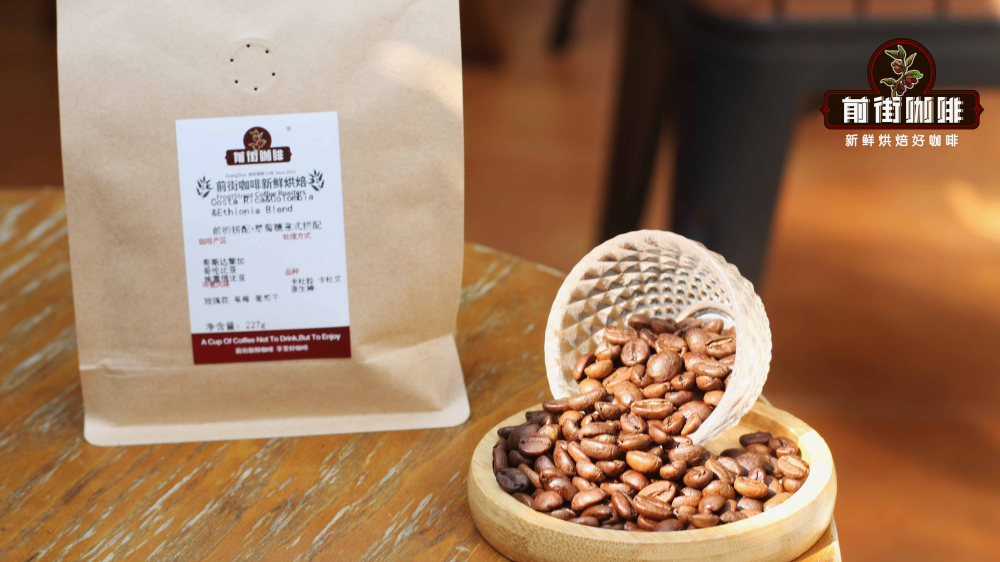
The final flavor profile of the espresso mainly comes from the selected coffee bean blend. Taking a common classic blend as an example, it is usually composed of Brazilian Red Bourbon and Indonesian Mandheling, sometimes with a small amount of Robusta added to enhance crema and body. Espresso made from such blends often features pronounced aromas of cocoa, dark chocolate, and buttery cookies, with low acidity and a full body, enveloping the entire mouth with rich and balanced flavors upon tasting.
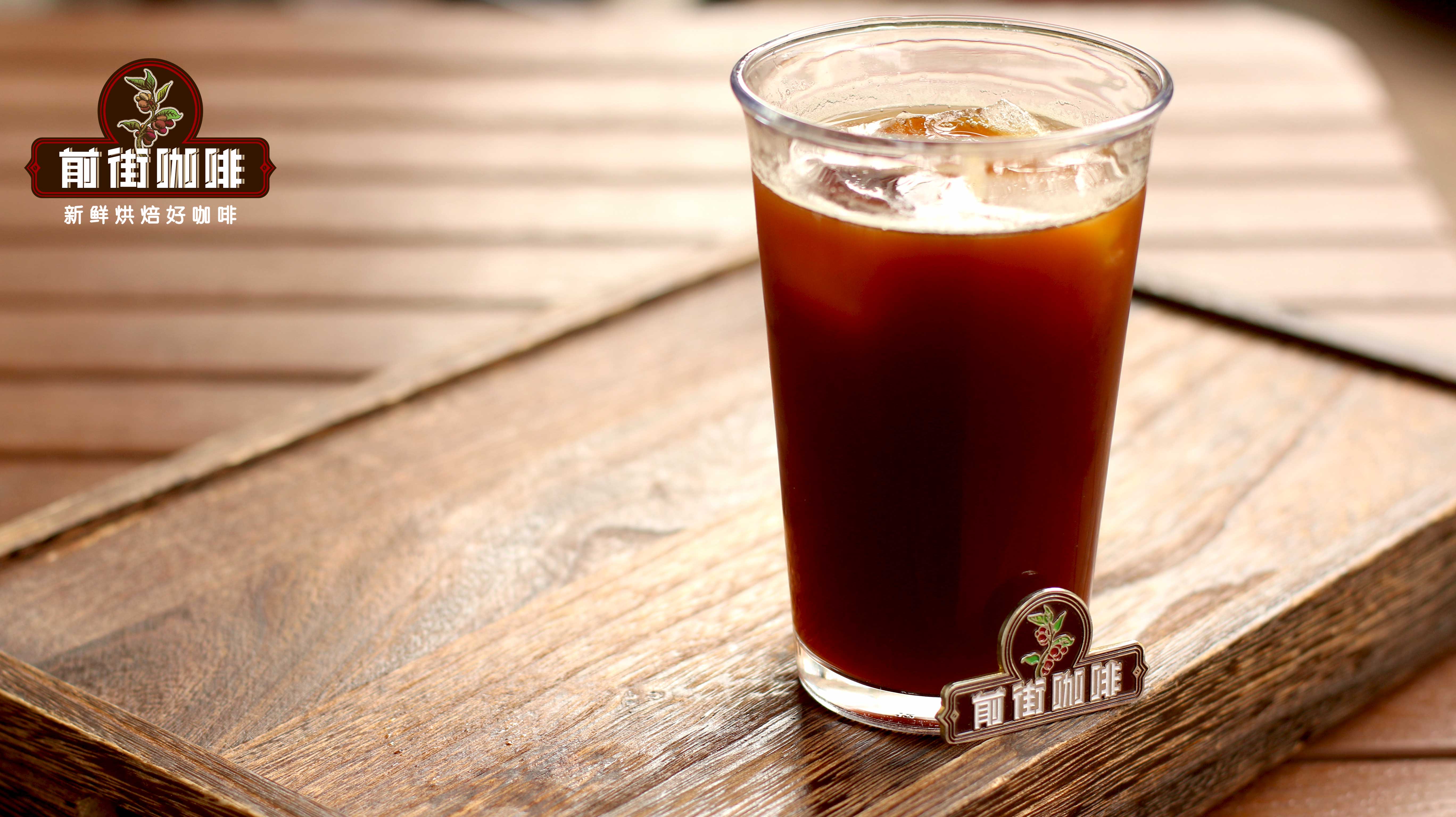
Such espresso can be enjoyed on its own or used as a base for other coffee beverages. For example, it can be diluted with water to become a refreshing and sweet Americano, or combined with milk to form a classic latte that is sweet, smooth, and carries chocolate and creamy notes, showcasing the versatile possibilities of espresso.
The above content is compiled by CoffeeHunters, a coffee news website.


