







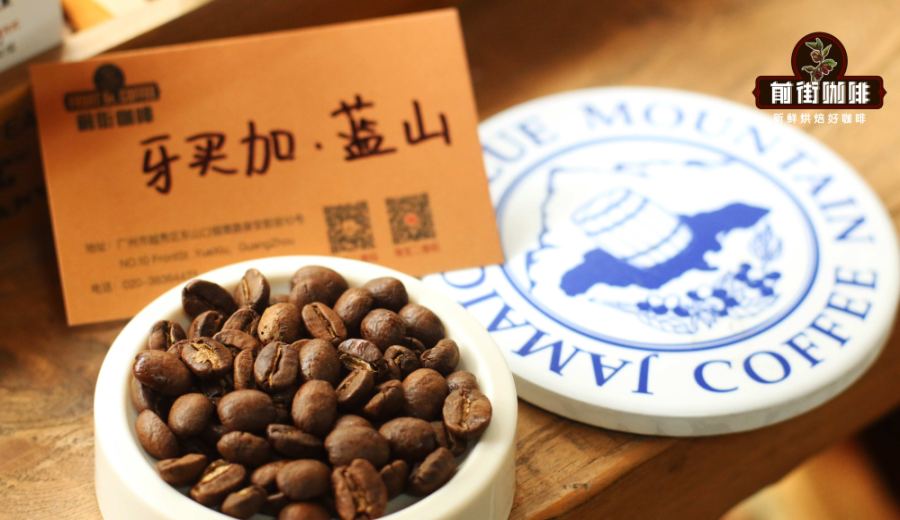
Introduction:Jamaican Blue Mountain coffee has long been regarded as one of the finest coffees in the world, known for its rich flavor and smooth, sweet aftertaste. However, many people still have questions about its acidity profile, official grade classification, and how to brew it properly. This article provides an in-depth look at the origin of Blue Mountain No. 1, the CIB official grading system, the washed processing method, roasting recommendations, along with professional pour over parameters, and explores whether it’s suitable for adding milk or sugar. Whether you’re a beginner or an advanced coffee enthusiast, you’ll find practical guidance on selection and brewing.
Jamaican Blue Mountain coffee is world-renowned for its delicate and balanced flavor, especially its rich body with a hint of acidity and a long-lasting finish, making it a dream coffee for enthusiasts globally. However, many have doubts when tasting or purchasing—about its acidity, suitable brewing methods, or even whether it can be enjoyed with milk or sugar. This article will start with the history, growing conditions, and the CIB official grading system of Blue Mountain coffee, detailing the entire process of planting, harvesting, processing, and roasting of authentic Blue Mountain No. 1. It also includes pour over parameters and practical tips for the Blue Mountain No. 1 from the well-known Clifton Estate, allowing you to master everything from bean selection to tasting in one go.
The history of coffee cultivation in Jamaica dates back to the early 18th century. According to records, in 1717, King Louis XV of France ordered the trial planting of coffee on the island of Martinique. Subsequently, Sir Nicholas Lawes, then Governor of Jamaica, introduced Arabica seeds and promoted their cultivation in the Saint Andrew area. Over time, these coffee trees gradually adapted to the high-altitude environment unique to the Blue Mountains, eventually differentiating into the three well-known grades: Blue Mountain coffee, High Mountain coffee, and regular Jamaican coffee. Among them, Blue Mountain coffee, benefiting from its altitude and terroir advantages, has become the most valuable in the market.
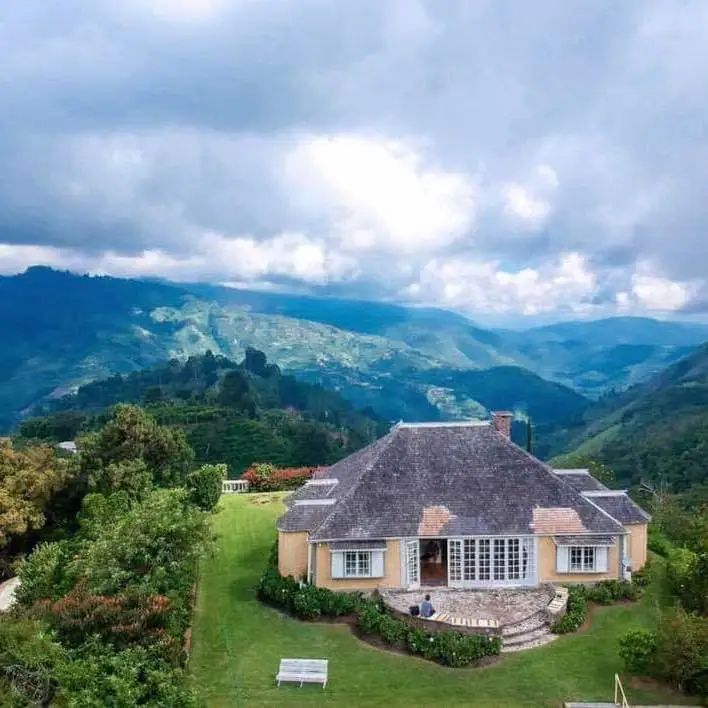
The Blue Mountains are located on the eastern coast of Jamaica, surrounded on three sides by the Caribbean Sea, with breathtaking scenery. The name comes from the fact that under sunlight, the mountaintops reflect the deep blue hues of the ocean. The main peak reaches an elevation of 2,256 meters, making it the highest point in the Caribbean region. However, the area suitable for coffee cultivation is limited to below 1,700 meters; anything above that falls within protected forest zones. The region features a foggy and rainy climate, with an average annual rainfall of about 1,980 mm, and minimal day-night temperature variation, staying around 27°C. Coupled with mineral-rich volcanic soil, these conditions create an ideal environment for coffee growing, giving Blue Mountain coffee its unique flavor layers and refined mouthfeel.
According to the strict regulations of the Jamaica Coffee Industry Board (CIB), only coffee beans grown at altitudes between approximately 910 and 1,700 meters, cultivated with the Typica variety in designated forest areas, qualify as “Jamaican Blue Mountain coffee.” The well-known Blue Mountain No. 1 introduced by the brand originates from the Clifton Estate, grown at an altitude of 1,310 meters, processed using traditional washed methods, and rigorously graded, belonging to the highest grade of Blue Mountain No. 1 (NO.1).
The processing of Blue Mountain coffee is highly meticulous. After harvesting, coffee cherries are manually sorted to remove unripe or overripe fruits, followed by quick depulping, ensuring further processing within 12 hours. Traditional washed fermentation effectively reduces impurities and undesirable flavors, after which the beans are moved to cement platforms for prolonged sun drying. This step helps refine and stabilize the flavors. Once the moisture content drops to 11–13%, the beans are stored in warehouses for 2 to 3 months of maturation. During this period, the warehouse temperature is maintained at 24–25°C, and humidity is controlled with dehumidifiers to ensure optimal flavor development.
Before shipment, green beans undergo small-batch low-temperature hulling and polishing, and are manually sorted to remove broken, discolored, or moldy beans—a process extremely time-consuming, with a skilled worker able to process only about 75 pounds of green beans per day. Throughout the process, workstations pass beans between each other using wooden basins to avoid damage. Finally, these meticulously inspected Blue Mountain coffee beans are sealed in Jamaica’s distinctive wooden barrels and undergo a final flavor and quality inspection by the CIB before air export.
So, what grade exactly is Jamaican Blue Mountain No. 1? The CIB divides Blue Mountain coffee into four main grades: NO.1, NO.2, NO.3, PB (peaberry), and mixed beans. Among them, NO.1 is the highest grade, also known as “Blue Mountain No. 1.” To be classified as NO.1, green beans must pass multiple screenings, including a bean size of 17 mesh or larger, a defect rate below 3%, a moisture content of about 13%, and must demonstrate in cupping rich aroma, full and smooth body, low and bright acidity, and a long, lingering aftertaste.
Regarding roasting recommendations, the CIB also provides guidance, emphasizing the need to highlight the unique chocolatey sweetness and gentle fruit acidity of Blue Mountain coffee. Therefore, the well-known brand from the region adopts a medium roast level, allowing Blue Mountain No. 1 to retain rich caramel and nutty aromas while maintaining a soft acidity and finely balanced mouthfeel.
Many wonder: is it suitable to add sugar or milk to Black Blue Mountain coffee? In fact, Blue Mountain No. 1 has a mild acidity and rich flavor layers, and drinking it as black coffee allows you to better experience its original characteristics, such as chocolate, nuts, and subtle almond notes. However, if you prefer a smoother taste, you may add 50–100 grams of milk according to personal taste to enhance overall drinkability and complexity.
For pour over brewing, the well-known brand recommends using a KONO filter cone. This type of dripper, with its ribs extending only halfway up the cone, allows the filter paper to adhere tightly to the walls when wet, effectively suppressing airflow and extending the water absorption time of the coffee grounds. This results in a more stable and even extraction. For actual brewing, it is suggested to use 15 grams of coffee, a 1:15 coffee-to-water ratio, with a grind size around EK43s setting 10.5 (equivalent to 75% passing rate on a Chinese Standard Sieve No. 20), and water temperature controlled at 87–88°C. The brewing technique involves a pulsed pour: start with 30 grams of water for a 30-second bloom, then pour up to 125 grams, wait for the liquid level to drop, and finally pour up to 225 grams to complete the extraction, with a total brew time of about 2 minutes.
Coffee brewed with these parameters delivers a steady and layered flavor profile. The cup opens with a deep chocolate and nut richness, clear almond notes in the mid-palate, and as the temperature cools, you can perceive subtle creaminess and soft acidity. The aftertaste is long-lasting yet delicate. Whether you prefer a pure black coffee experience or wish to adjust the flavor with milk, Blue Mountain No. 1 showcases the ultimate charm of a top-tier coffee bean.
The above content is compiled by CoffeeHunters, a coffee news website.


