







Introduction:Dive into the Gesha blend coffee from Costa Rica’s Tarrazú region and explore how its raisin honey processing enhances sweetness and aroma longevity. This article details the blend’s varietal composition, high-altitude growing environment, as well as recommended brewing parameters and techniques to help you fully unlock its floral, berry, and honey-like finish.
As a renowned specialty coffee-producing country in Central America, Costa Rica’s honey processing method has received widespread acclaim in the international market. Especially in its high-altitude regions, the coffee produced boasts distinct flavor layers and unique characteristics. Take the Tarrazú region, for example — the Gesha blend coffee “Strawberry Candy” produced here, with its unique processing method and varietal blend, showcases highly recognizable fruitiness and sweet notes, making it a top choice for many coffee enthusiasts exploring Central American beans.
Located in the high-altitude mountainous areas of Costa Rica, Tarrazú not only enjoys a cool climate with significant day-night temperature variations but also features slightly acidic soil. Coupled with widespread shade-grown cultivation practices, it helps coffee cherries ripen slowly, accumulating richer flavor compounds. Approximately 95% of the coffee beans produced in this region are Strictly Hard Bean (SHB), with firm bean bodies and a bluish-green hue, and relatively fewer pest and disease issues, providing a solid foundation for premium flavors. Generally speaking, coffee from the Tarrazú region is characterized by bright citrus acidity, rich dried fruit sweetness, and a smooth chocolatey tone, making it ideal for those who enjoy a balance of freshness and complexity.
This coffee, known as “Mirassú Gesha Blend Strawberry Candy,” features a Gesha varietal composition of up to 50%, blended with other traditional high-quality varieties such as ET47, SL28, and MAICO. Gesha is renowned for its delicate floral aromas, particularly jasmine, while ET47, SL28, and MAICO contribute intense fruity notes such as strawberry and berries. Combined with the overall raisin honey processing, the sweetness becomes even more full-bodied with a long-lasting aftertaste.
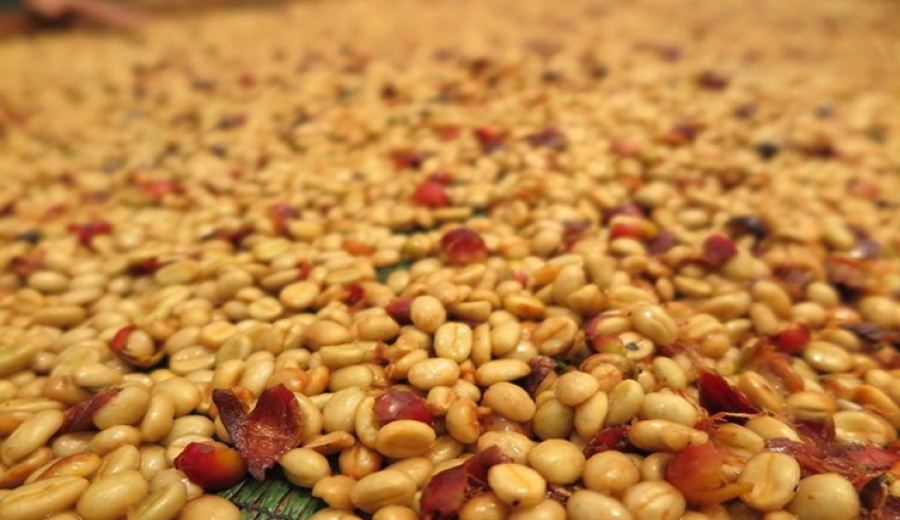
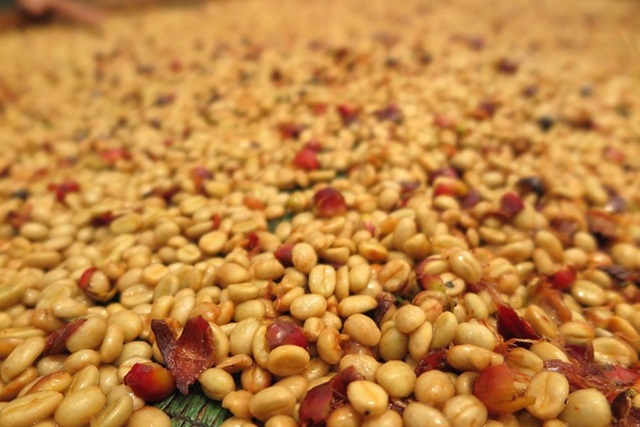
The so-called raisin honey process involves harvesting fully ripe coffee cherries, allowing them to naturally sun-dry until their surfaces wrinkle, similar to the state of raisins, before removing the outer skin and pulp but deliberately retaining the intact mucilage layer, followed by prolonged sun drying. This method effectively concentrates sugars and flavor compounds. Compared to regular honey processing, raisin honey-processed coffee often exhibits a thicker mouthfeel, longer-lasting aromatic expression, and more pronounced sweetness, making it highly suitable for consumers who favor sweet, aromatic, and full-bodied profiles.
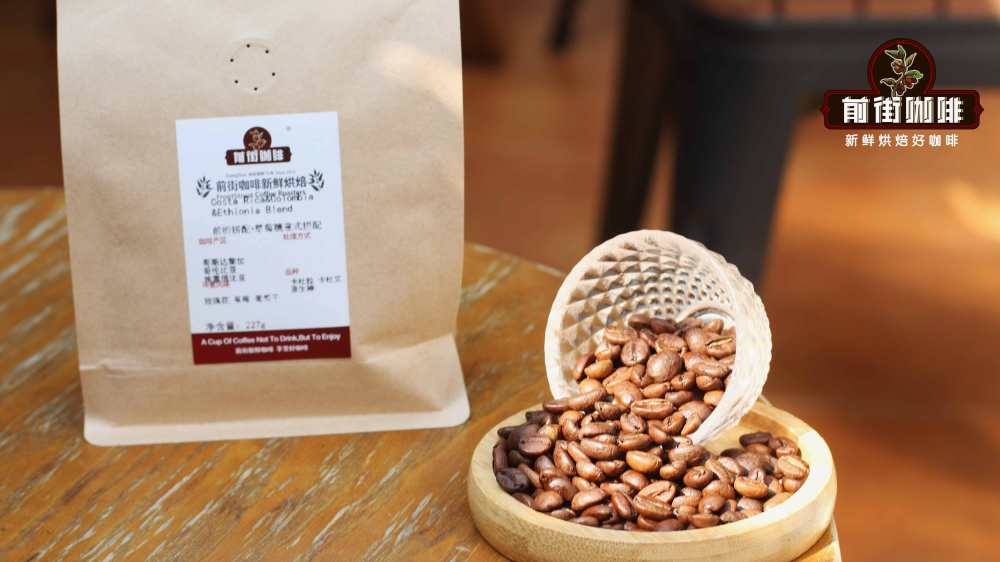
To fully showcase the blend’s floral, berry, and complex fruit notes such as grape and strawberry, roasters often adopt a medium roast strategy, preserving the beans’ inherent characteristics while allowing the sweetness brought by the honey process to fully express itself. In practice, if the roasted beans are found to be too light, brewing parameters can be adjusted — for example, by increasing water temperature or adjusting grind size — to enhance extraction efficiency and flavor performance.
It is recommended to use a Hario V60 dripper for pour over, paired with 93°C hot water and a finer grind size (using a Chinese standard No. 20 sieve, with about 80% passing rate). This combination helps to fully bring out the fruit aromas and honey-like sweetness without over-extracting. If you prefer a more stable flow rate and layered profile, you may also opt for a KONO dripper, but adjust water temperature and time according to actual extraction conditions.
Specific brewing recommendations are as follows: use 15 grams of coffee grounds with a 1:15 coffee-to-water ratio, for a total of 225 grams of water. First, pour 30 grams of hot water for a 30-second bloom to activate the coffee’s aroma release; then, slowly pour the second stage water in small circles until reaching 125 grams for the first pour; once the water level in the dripper visibly drops and is about to expose the coffee bed, gently and evenly pour the remaining 100 grams of water in a circular motion until the total reaches 225 grams. The entire extraction process should be controlled to around 2 minutes, during which attention should be paid to maintaining a stable flow rate and an even coffee bed to avoid localized over-extraction or channeling that could affect flavor balance.
The above content is compiled by CoffeeHunters, a coffee news website.


