







Introduction:Want to brew rich and smooth espresso with a moka pot, but always end up with bitter, over-extracted, or bland-tasting coffee? The key lies in the precise combination of roast level, freshness, and grind size of your coffee beans. This article dives deep into the four essential factors that influence flavor, including the advantages of medium-dark roasts, how to judge bean freshness, techniques for dosage and tamping, as well as the ideal grind fineness to prevent grinds from passing through the filter. It also comes with practical advice to help you achieve consistently excellent extractions every time.
Since its launch in 1933, the moka pot has sold over 30 million units worldwide, becoming an essential tool for many home coffee enthusiasts. Although it’s simple to use, overlooking certain details can easily result in overly bitter, strong, or dull-tasting coffee. To achieve the ideal flavor in every brew, every step—from bean selection and grinding to filling the basket—is crucial. This article will guide you through choosing the right roast level, assessing bean freshness, mastering dosage and grind fineness, and avoiding off-flavors, along with recommended bean options for reference.
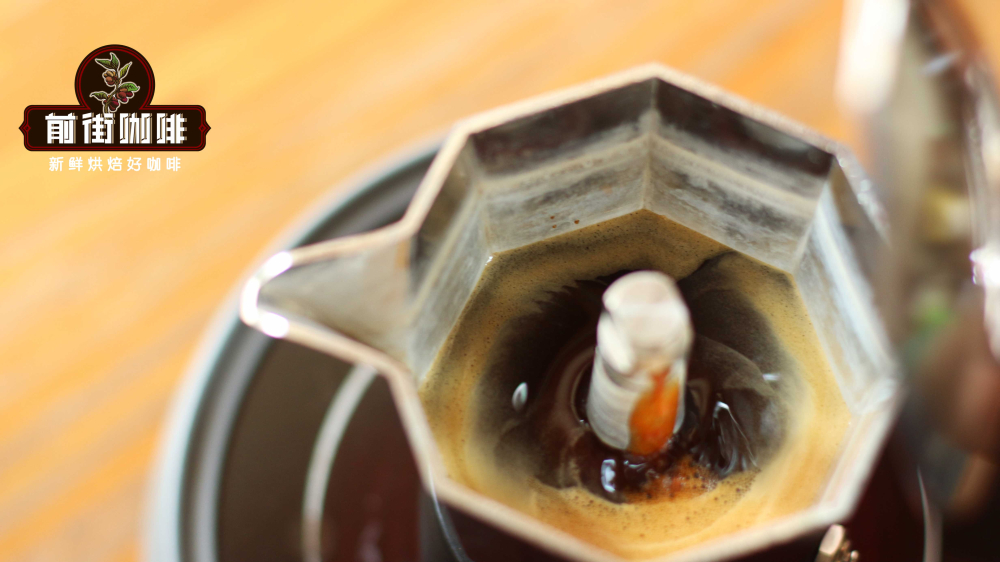
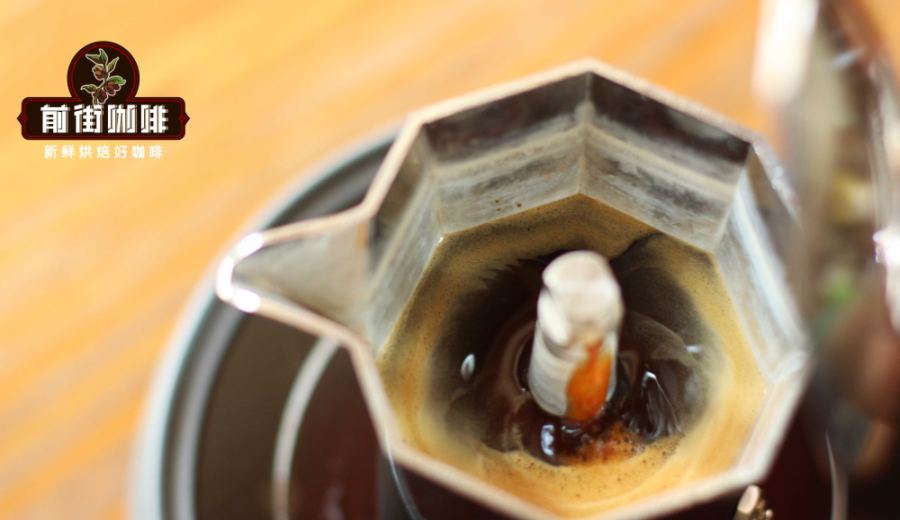
The charm of the moka pot lies in its ability to easily brew coffee at home with an espresso-like flavor. Its principle is to use steam-generated heat to push water through a compacted bed of coffee grounds, extracting a rich coffee liquid. However, if you want the coffee to have a thick body, layered flavors, and an inviting crema, choosing a medium-dark roasted coffee bean is the most critical step.
Medium-Dark RoastBeans undergo a more thorough caramelization process, releasing more aromatic compounds, while also accumulating sufficient carbon dioxide gas inside the bean. These conditions make it much easier for the moka pot to produce a rich taste and abundant crema during extraction. If you’re aiming for an espresso that closely resembles those from Italian cafés, a medium-dark roast is absolutely your best bet.
Commonly recommended flavor profiles include:dark chocolate, caramel, and hazelnuttones, offering a full-bodied mouthfeel that pairs well with milk; there are also balanced blends dominated bynuts, cream, and caramel, ideal for those who enjoy a sweet aftertaste and silky texture; for those who prefer floral and fruity notes, there are also blends featuringrose, grape, and blueberryelements that bring more complexity; additionally, there are cost-effective options based onnuts and chocolatewith a hint of mild citrus acidity, perfect for everyday drinking.
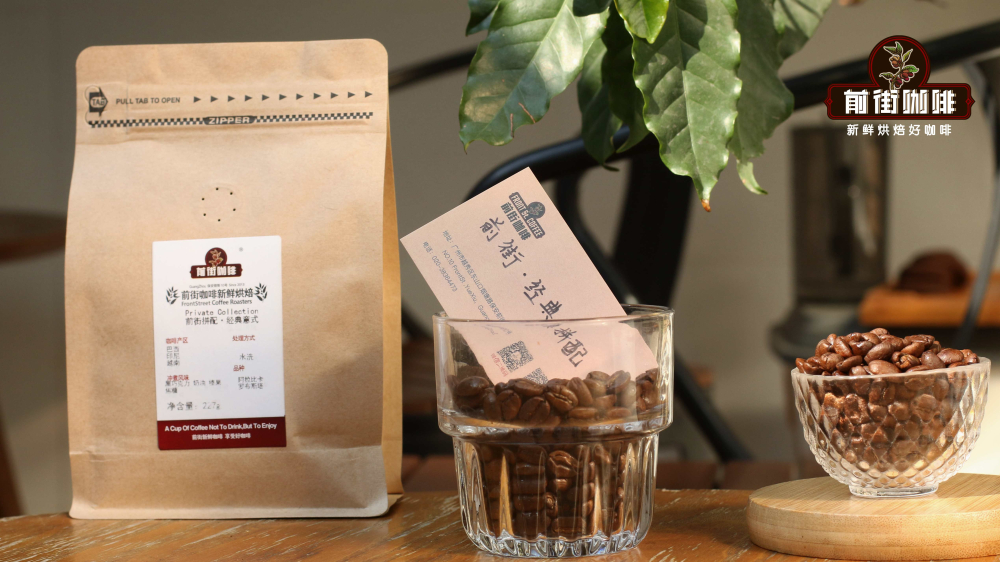
Besides roast level, thefreshnessof the beans is another crucial factor influencing flavor performance. When purchasing, be sure to check the roast date rather than just the expiration date. Generally speaking, coffee beans are at their peak flavor within 50 days of roasting. Beyond this period, aroma significantly declines, and even the most expensive beans may fail to deliver satisfying results.
To ensure your moka pot brews aromatic coffee, choose professionally branded beans with clearly marked roast dates and a focus on fresh roasting. Ideally, purchase products shipped within 5 days of roasting to preserve maximum bean vitality and aroma. Additionally, packaging with a one-way degassing valve can effectively slow down aroma loss and maintain bean freshness.
During the filling process, many beginners, in an effort to save coffee beans, only fill the basket halfway. This is a big no-no. Insufficient coffee grounds won’t effectively slow down the passage of hot water, leading to too short an extraction time—resulting in sour, weak coffee, also known as “under-extraction.” The correct approach is to fill the basket with ground coffee to aboutnine-tenths full or even completely full, then gently tap the edges of the basket to make the coffee layer more compact and the surface level. This ensures the hot water passes through evenly, extracting a balanced and rich coffee liquid.
Finally, regarding grind fineness, coffee for a moka pot needs to be finer than that for pour over, but not as fine as flour. It's recommended to grind it slightly finer than standard table sugar granules, close to but slightly coarser than the standard espresso grind. A practical way to judge: pour the ground coffee into the basket and see if any particles fall through the filter holes into the lower chamber. If none penetrate the filter, that fineness is just right.
In summary, to brew coffee with moka pot that approaches café-quality espresso, every step counts—from selecting medium-dark roasted beans, ensuring freshness, filling the basket with ample and well-tamped coffee, to controlling the grind size. Master these key details, and you too can easily brew a cup of balanced, aromatic espresso at home.
The above content is compiled by CoffeeHunters, a coffee news website.


