







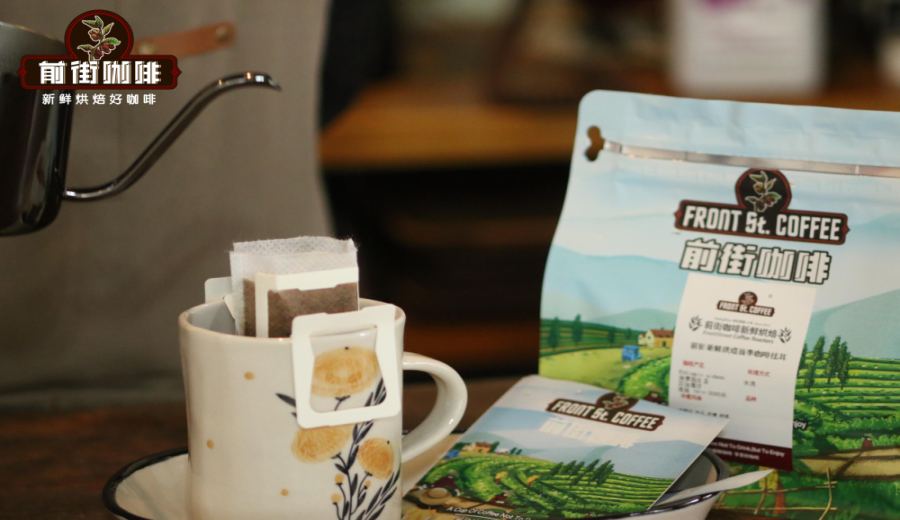
Introduction:Drip bags combine the flavor of pour over coffee with the convenience of instant brewing, making them a daily choice for many office workers. Taking Ethiopian Yirgacheffe drip bags as an example, this article delves into key parameters such as brewing time, water temperature, and coffee-to-water ratio, while debunking common brewing mistakes. From bean freshness to three-stage pouring techniques, it teaches you how to consistently brew high-quality black coffee with prominent floral notes and a sweet aftertaste using simple tools.
Thanks to its ease of use and ability to preserve flavor, drip coffee has become the go-to choice for many coffee enthusiasts at home or in the office. However, how long should you brew a single drip bag? Can it be reused? How should you pour the water to fully release the aroma? Using the highly acclaimed Yirgacheffe drip bag as an example, this article guides you from the basics, common mistakes, to the correct steps, helping you master the brewing essentials. Even with a busy schedule, you can easily enjoy a richly layered and bright black coffee with a lingering finish.
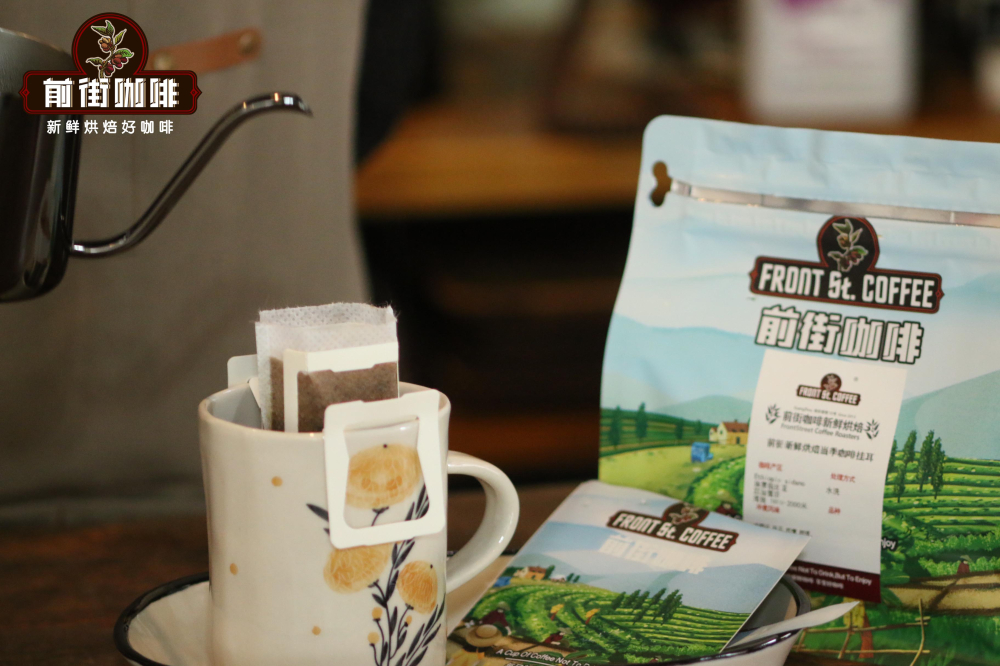
As specialty coffee culture becomes more widespread, drip coffee—products where freshly roasted beans are ground to a medium-coarse consistency and sealed—has naturally become part of many people’s daily lives. Compared to traditional pour over methods, drip bags require no complicated equipment; just hot water and the right technique can produce a cup of coffee with full flavor. Especially for those new to coffee drinking, it is an extremely approachable option.
Most drip coffee products on the market today are made from single-origin beans or beans with specific flavor profiles, which not only makes them easy to store but also allows selection based on personal taste preferences. From bright fruity acidity to rich nutty tones, a variety of flavors can be presented through drip bags, catering to different levels of coffee experience.
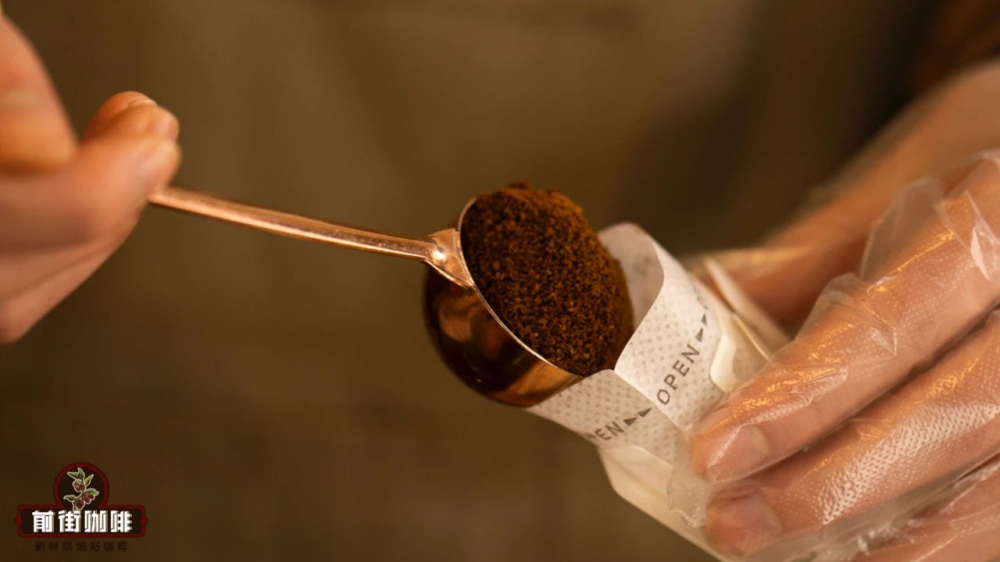
To brew a cup of drip coffee with outstanding flavor, the key lies in “freshness.” After roasting, coffee beans continuously release carbon dioxide, a process that also carries away some aromatic and flavor compounds. Therefore, it is especially important to choose drip bags that are ground and sealed shortly after roasting. Ideally, the time from roasting to brewing should be within 30 days to ensure the best flavor performance.
Yirgacheffe, a famous coffee-growing region in Ethiopia, is renowned worldwide for its unique floral and fruity aromas. This small town in the Sidamo region, situated at an altitude between 1,700 and 2,100 meters, enjoys a cool and foggy climate year-round, providing ideal growing conditions for coffee trees. Coffee produced here typically features distinct jasmine and lemon acidity, along with sweet fruit notes like peach and almond. Its refreshing taste and long-lasting aftertaste have earned it a reputation among many coffee lovers as the classic representation of “a sip of coffee, as if a hundred flowers are blooming.”
There are several common misconceptions about drip coffee brewing that need to be clarified. First, although drip bags are convenient, good flavor isn’t guaranteed just by brewing them casually. Using inappropriate water temperature, incorrect pouring methods, or even over-steeping can all lead to flavor loss or the development of unpleasant bitter and astringent notes. Additionally, drip coffee bags are absolutely not recommended for reuse, as the vast majority of flavor compounds are released during the first brew.
Here are several brewing mistakes to avoid: using excessively high water temperature for brewing, soaking the entire drip bag in the cup, taking out the coffee grounds and brewing them directly, or mistakenly thinking that drip bags can be used multiple times like tea bags. These practices not only fail to bring out the intended flavors of the coffee but may also leave you with a poor impression of drip coffee.
To brew a cup of Yirgacheffe drip coffee with balanced and layered flavors, it is recommended to master the following key parameters: control the brewing water temperature ataround 90°C(for light to medium roasts, it can be slightly increased to 91–93°C, while medium-dark to dark roasts are recommended to be reduced to 88–89°C), and use a coffee-to-water ratio of1:15(i.e., 10 grams of coffee grounds to 150 milliliters of hot water), along with a simple three-stage pouring method, which can effectively bring out the aroma and flavor layers of the coffee.
During actual brewing, it is recommended to use a straight-sided heat-resistant cup and a pouring kettle with a steady flow rate. A thermometer is helpful but not absolutely necessary. First, correctly hang the drip bag over the rim of the cup, ensuring that the brewed coffee liquid does not flow back and touch the drip bag during the process. The first step is to pour about30 milliliters of hot waterfor the bloom, for about10–15 seconds, allowing the coffee grounds to fully expand and release their aroma. Then, pour in portions of about60 milliliters each, until the water level approaches the top edge of the drip bag, keeping the total water volume around 150 milliliters.
After all the coffee liquid has dripped through, gently remove and discard the drip bag. At this point, you can lightly shake the cup to mix the coffee liquid evenly before enjoying. A special reminder: drip coffeeshould absolutely not be brewed a second time, as the vast majority of flavor compounds and essences are released during the first brew. Reusing it will only result in a bland liquid that may contain impurities.
The above content is compiled by CoffeeHunters, a coffee news website.


