







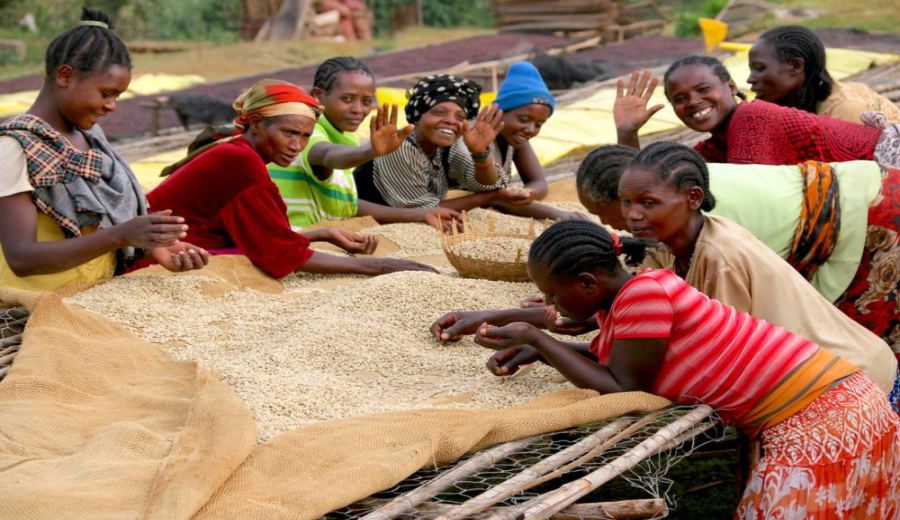
Introduction:Ethiopia’s Yirgacheffe is a classic coffee-growing region beloved by specialty coffee enthusiasts worldwide. Its washed and natural processing methods produce distinctly different flavor profiles. This article delves into the historical background of the Yirgacheffe region and the sub-region classifications under the ECX trading system, while focusing on the uniqueness of the Guji Dingding Cooperative and the Red Cherry lot. By comparing the washed and natural processing methods, roast levels, and actual flavor profiles of two representative beans, it helps readers find the coffee beans that suit their taste preferences and provides practical pour over reference parameters.
Among Africa’s many coffee-growing regions, Ethiopia stands out with its exceptional geographical environment and long-standing cultivation history, producing many specialty coffees with unique flavors. In particular, Yirgacheffe, with its bright and refreshing citrus acidity and delicate floral layers, is a top choice for many coffee beginners and a key collection item for seasoned coffee enthusiasts. This article will explore the origins and classification of the Yirgacheffe region in depth and compare the unique flavor differences brought by washed and natural processing methods.
Ethiopia’s coffee-growing regions can be roughly divided into three major geographical areas: Sidamo, Yirgacheffe, and Jimma. Among them, although Yirgacheffe was initially just a small town within the Sidamo province, its coffee is highly distinctive, eventually leading to its independence from Sidamo and becoming one of Ethiopia’s most representative specialty coffee regions. The name "Yirgacheffe" means "settling down in this wetland" in the local ancient language, reflecting its geographical environment of high-altitude hills and lakes, with a cool and humid climate—perfect for growing Arabica coffee.
To enhance transparency and fairness in the coffee industry, the Ethiopian government established the Ethiopian Commodity Exchange (ECX) in 2008, using this platform to centrally manage the buying, selling, and grading of domestic coffee. Under the ECX system, the Yirgacheffe region is further subdivided into four major sub-regions: Kochere, Gedeb, Gelana, and Wenago. Each area produces uniquely flavored coffee beans due to differences in microclimate, soil, and processing methods.
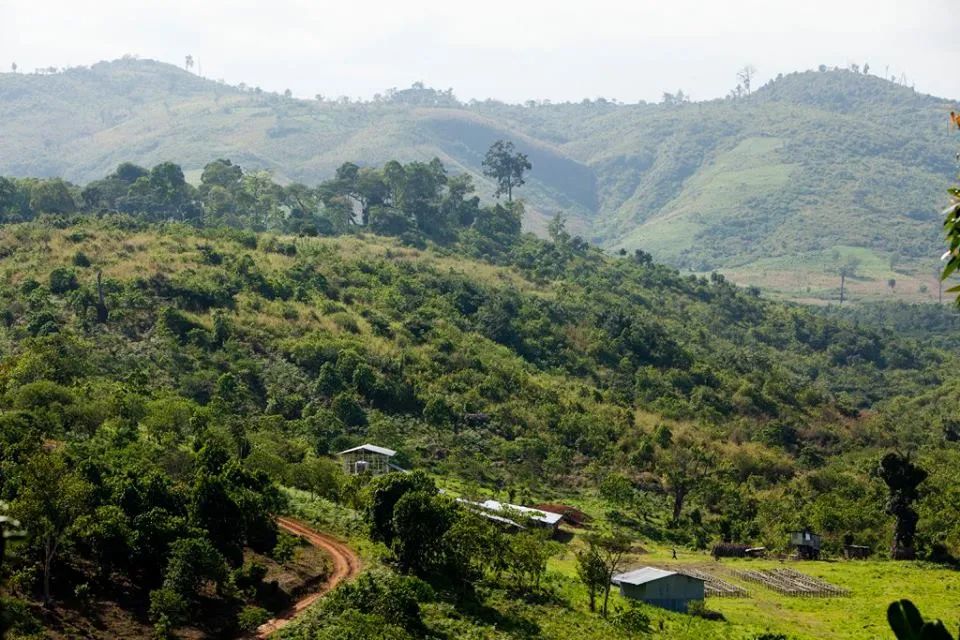
Yirgacheffe’s coffee production is primarily driven by smallholder farmers, who usually send their harvested coffee cherries to nearby processing facilities or cooperatives for post-harvest processing. These cooperatives are responsible for unified harvesting, processing, and sales, playing a key role in ensuring coffee quality and farmers’ income. The Guji Dingding Cooperative is one such representative case. Originally part of the Worka Cooperative under the Yirgacheffe Coffee Farmers Cooperative Union (YCFCU), it became independently operated in 2012. It currently has around 300 member farmers and is committed to producing high-quality, traceable coffee beans.
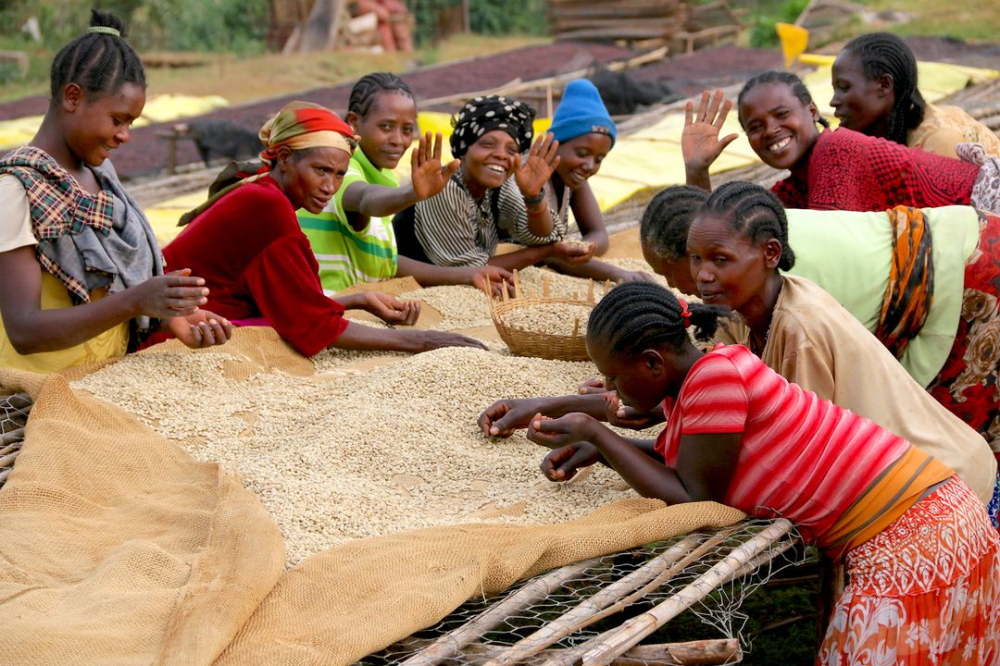
In terms of processing methods, Ethiopian coffee traditionally started with the natural (dry) method, where whole coffee cherries are directly sun-dried. While this method preserves rich fruity flavors, improper control can easily lead to impurities or off-flavors. To improve quality, Ethiopia introduced washed processing technology from Latin America in 1972. By removing the pulp, fermenting to remove mucilage, and washing with clean water, this method significantly enhances the cleanliness and consistency of the coffee. Washed Yirgacheffe typically features bright acidity, a clean mouthfeel, and elegant floral notes, making it ideal for those who enjoy refreshing and layered flavors.
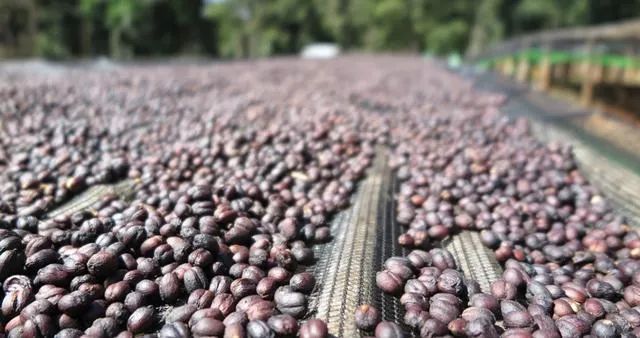
In contrast, the natural process retains the coffee cherry’s outer skin and pulp during prolonged drying, allowing the beans to absorb more sugars and flavor compounds from the fruit. This results in a richer, sweeter, and more complex fruity profile. A well-known shop’s menu features the "Red Cherry" lot as a classic example of natural Yirgacheffe. Through refined natural processing control, it showcases mature berries, honey, and the mellow aftertaste of black tea—sweet, full-bodied, and flavorful.
In roasting strategy, to highlight Yirgacheffe’s regional characteristics, a certain well-known shop typically adopts medium-light roasts. For the washed Guji Dingding Cooperative beans, a light roast is used to preserve its bright lemon, black tea, and white floral notes, with lively acidity and a clean mouthfeel. Meanwhile, the natural Red Cherry lot is medium-light roasted to balance sweetness and fruit acidity, enhancing the aroma of berries, citrus, and honey, with an aftertaste of caramel and creamy smoothness.
In summary, both washed and natural processing methods of Yirgacheffe have their own charm: the washed version suits those who prefer bright acidity and floral-tea flavors, while the natural version caters to those who enjoy rich fruitiness and sweet taste profiles. Whether you choose the washed beans from Guji Dingding Cooperative or the natural beans from the Red Cherry lot, you can experience the unique flavor charm of the Yirgacheffe region.
The above content is compiled by CoffeeHunters, a coffee news website.


