







Introduction:Golden Mandheling is often regarded as the representative of premium Indonesian coffee, but many coffee enthusiasts still have only a vague understanding of its PWN certification and wet hulling processing. This article will delve into the origin and grading standards of Golden Mandheling, with a focus on explaining the selection process by PWN and the unique techniques of wet hulling. From flavor characteristics to processing details, this guide will help you fully grasp this distinctive Sumatran coffee.
When it comes to Mandheling, many coffee lovers immediately think of a rich and full-bodied taste. However, the market offers a dizzying array of names—from Lintong Mandheling and Tiger Mandheling to Golden Mandheling. In fact, “Mandheling” is not a region or variety name, but a mispronunciation derived from the Mandailing ethnic group in Indonesia. Among the various Mandheling offerings, the PWN Golden Mandheling launched by a well-known brand stands out due to its rigorous selection and unique flavor profile, making it a top choice for many pour over enthusiasts.
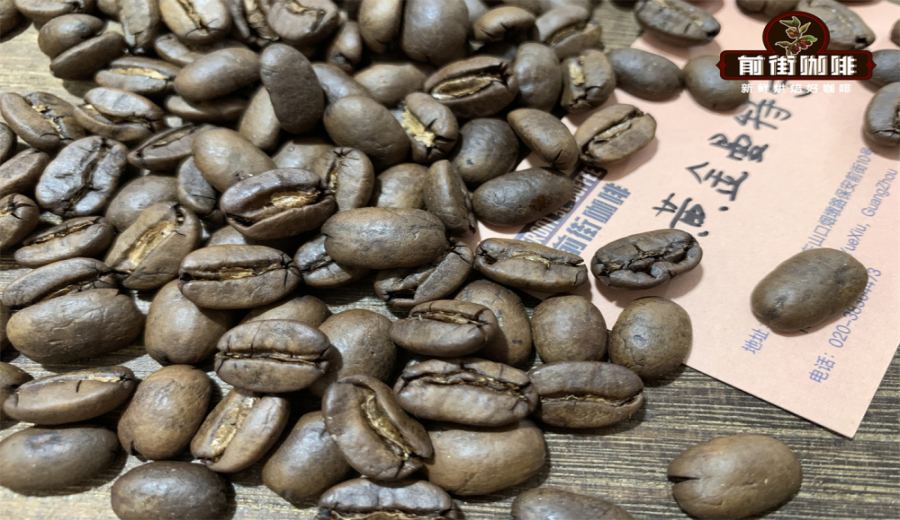
These coffee beans, grown on the island of Sumatra, are purchased and branded as “Golden Mandheling” by Pwani Coffee Company. As a result, only Mandheling beans produced by this company can be rightfully called PWN Golden Mandheling. Compared to regular Mandheling, its green beans undergo 3 to 4 rounds of manual sorting, are larger in size, and appear dark green, falling under the category of uniform flat beans. Cultivated at altitudes between 1100 and 1600 meters, this coffee exhibits intense honey and cream aromas, with a distinct flavor profile that is hard to replicate by beans from other regions.
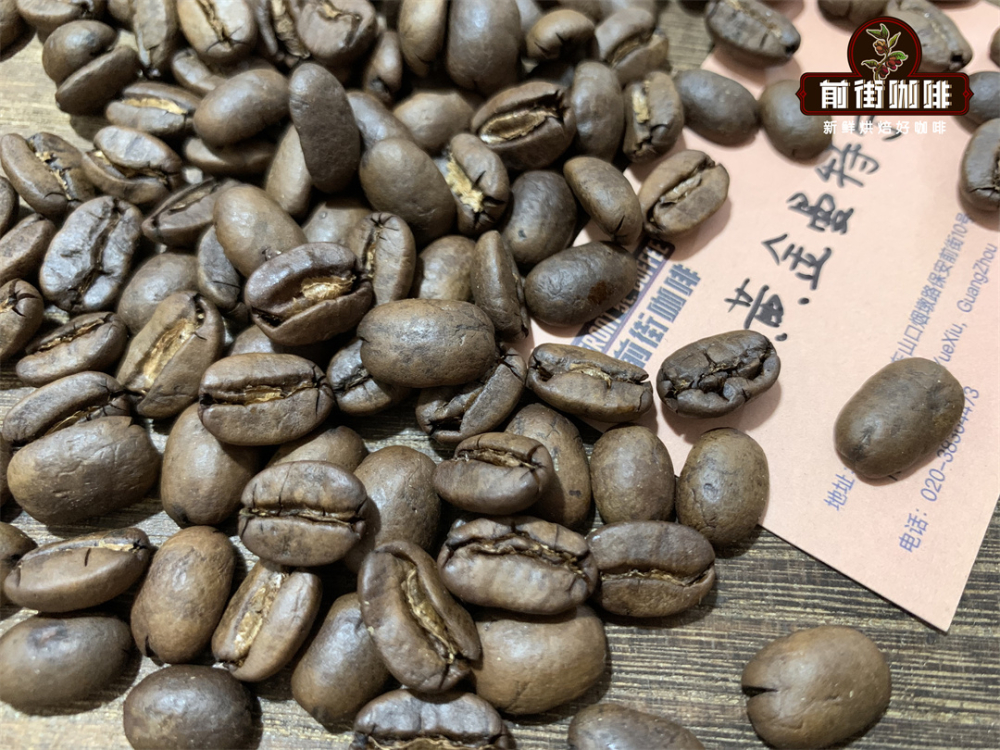
To understand the uniqueness of Golden Mandheling, one cannot overlook its use of the wet hulling (Wet Hulling) processing method. Also known as Giling Basah, this traditional Indonesian method may sound similar to washed processing, but its actual procedure and flavor outcomes are vastly different. The key feature of wet hulling is its faster processing speed: after the mucilage is removed, the beans are hulled before they are fully dried. While this improves efficiency, it also makes the beans more prone to defects. As a result, processing facilities often arrange for double (DP) or triple (TP) manual sorting by staff, with beans that undergo triple sorting demonstrating better defect control.
In terms of flavor characteristics, wet-hulled coffee often features low acidity, a full body, and complex layers. Common flavor notes include toasted bread, nuts, pine, caramel, and herbs. These flavor combinations give Golden Mandheling a rich and stable taste after brewing, especially appealing to coffee lovers who enjoy a bold body and distinctive character. However, due to the fast processing speed, some wet-hulled beans may develop earthy or smoky notes if not rigorously sorted—this is precisely why PWN Golden Mandheling emphasizes multiple rounds of hand selection.
For readers looking to try pour over with Golden Mandheling, it is recommended to use a medium-light to medium roast to highlight its nutty and caramel sweetness. Regarding grind size and water temperature, a medium-fine grind (around the size of granulated sugar) and a water temperature of 90–93°C are advisable, along with a coffee-to-water ratio of 1:15 to 2:1. This helps effectively balance its rich base notes and delicate aromas. Additionally, during the brewing of wet-hulled coffee, it is advisable to pay attention to pouring speed and blooming time to avoid over-extraction, which can lead to increased bitterness.
In summary, Golden Mandheling stands out among many Indonesian coffees not only due to its exceptional terroir and altitude conditions, but also thanks to PWN’s strict grading and multiple rounds of hand sorting. The traditional wet hulling processing method, while presenting certain flavor challenges, also endows this coffee with a unique richness and depth. Whether you’re a beginner just starting your coffee journey or a seasoned enthusiast seeking new flavor experiences, gaining a deeper understanding of the secrets behind PWN certification and wet hulling will allow you to enjoy a more enriching sensory experience when savoring this classic Sumatran coffee.
The above content is compiled by CoffeeHunters, a coffee news website.


