







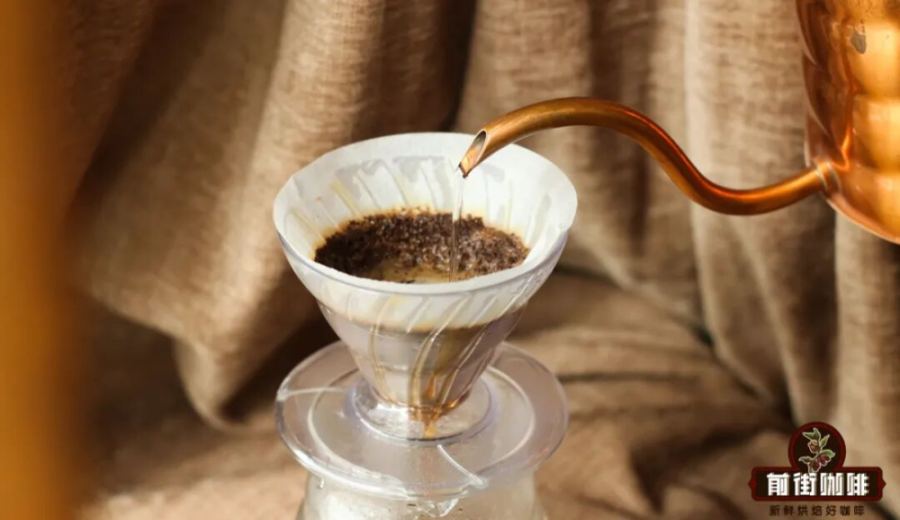
Introduction:The flow rate of pour over coffee is not only related to extraction efficiency but also directly impacts flavor expression. A flow rate that is too fast often leads to under-extraction, resulting in thin flavors, while one that is too slow can easily cause over-extraction, producing bitter and astringent off-notes. This article delves into seven key influencing factors—including filter cone and paper selection, coffee bean characteristics, roast level, grind size, pouring technique, and water level control—to help you accurately identify the causes of abnormal flow rates and provide practical adjustment suggestions. This ensures every cup of pour over coffee can showcase its ideal flavor profile.
During the pour over process, observing the dripping speed of the coffee is an important skill. The pace of the flow often reveals the current extraction status: if it drips too quickly, under-extraction is likely, leading to light flavors; conversely, a slow flow rate can easily result in over-extraction, producing noticeable bitterness and off-flavors. But what exactly are the factors affecting the flow rate of pour over coffee? This article will break down the key elements from seven aspects: the combination of filter cone and paper, the inherent characteristics of the coffee beans, roast depth, grind fineness, pouring method, and water level in the filter cone. It will help you quickly pinpoint the root cause when facing flow rate issues and make the right adjustments.
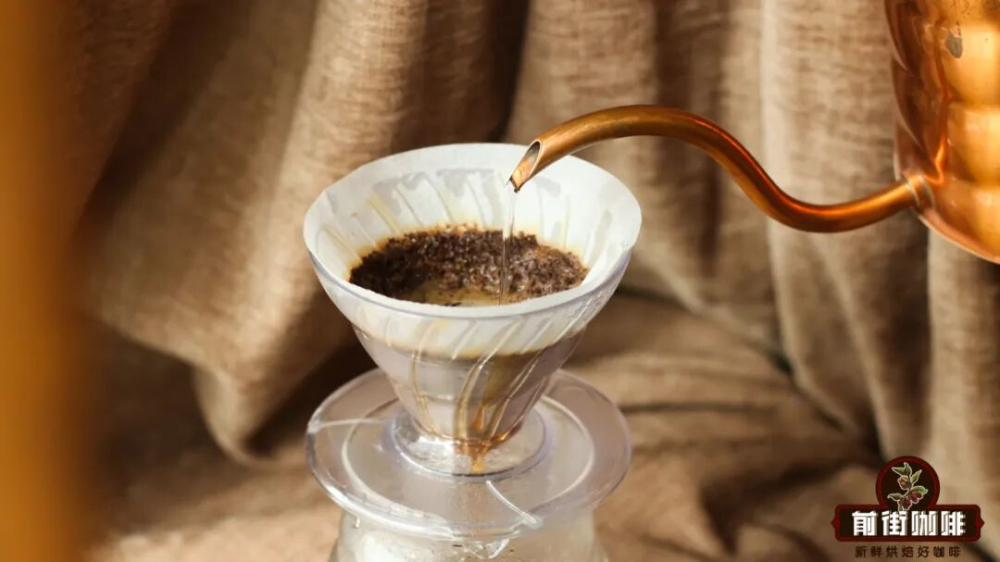
Many people watching coffee slowly drip during a pour over may feel anxious but unsure how to improve it. Some immediately suspect the grind is too fine, so they adjust to a coarser grind—but the flow rate remains unsatisfactory... Is this cup of coffee really beyond saving? In fact, pour over flow rate is influenced by multiple variables. By mastering the relationships between these factors, you can more effectively diagnose problems and adjust to achieve a better extraction state.
Impact of Filter Cone and Filter Paper
The filter cone can be considered one of the most important elements affecting pour over flow rate. Different designs of filter cones vary in the size of the bottom holes and the arrangement of the ribs, which in turn influence the speed of water flow and extraction performance.
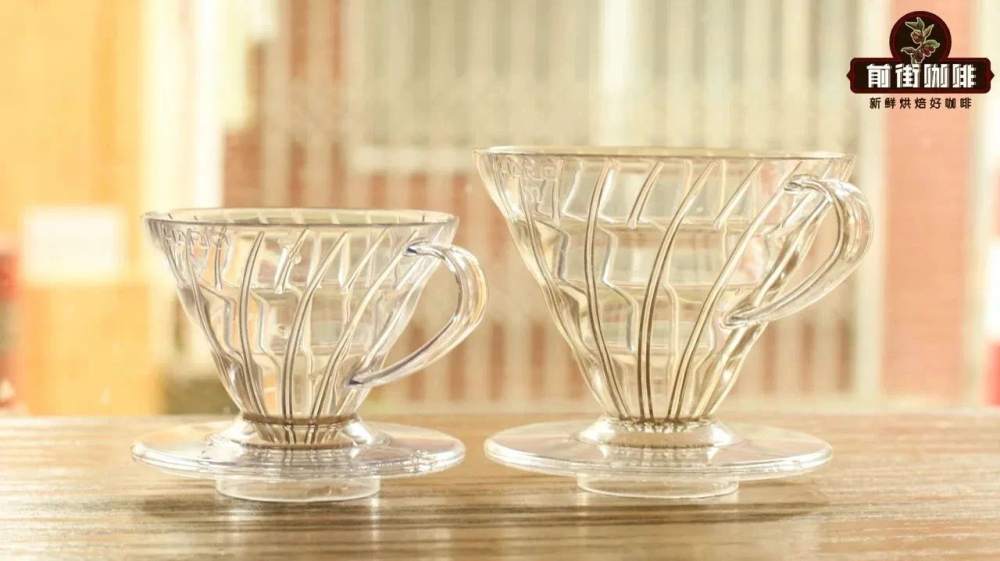
For example, fan-shaped and cake-type filter cones have relatively small drip holes at the bottom and greater water flow resistance, naturally resulting in a slower flow rate. In contrast, conical filter cones like the V60, with larger bottom openings, allow water to pass through smoothly, resulting in a noticeably faster flow rate.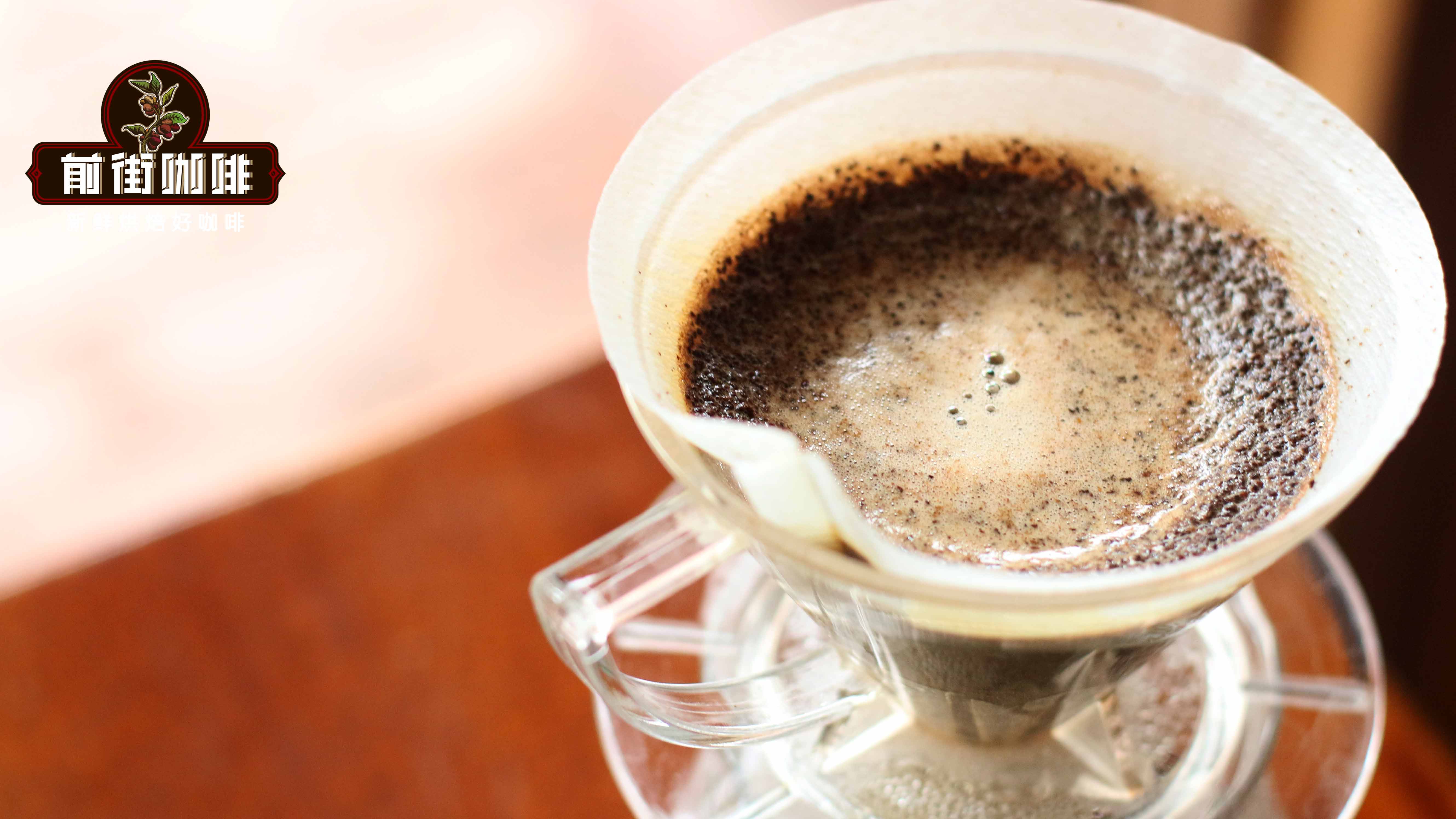
Even among conical filter cones, differences in rib design can lead to varying flow rate performances. For instance, the KONO filter cone has a smaller diameter and shorter ribs, limiting internal ventilation space and making it more akin to immersion-style extraction. Meanwhile, the Ice Pupil filter cone, although featuring vertically arranged stepped ribs, has a sealed top. If pouring is too aggressive and the water level exceeds the drainage grooves, the ventilation channels become blocked, slowing the water level drop and thus affecting the overall flow rate.
Additionally, the choice of filter paper should not be overlooked. Many people only focus on whether the filter paper is bleached, but the material thickness and fit of the paper also affect flow rate. Thicker paper slows filtration speed, and if the filter paper fits too tightly against the bottom of the filter cone, it can obstruct water flow, prolonging extraction time and easily leading to over-extraction and bitterness. Therefore, it’s recommended to choose filter paper that fits well with the filter cone but isn’t completely sealed, to maintain a stable flow rate.
Coffee Bean Processing Method and Characteristics
Beyond equipment, the inherent characteristics of the coffee beans themselves are also key to influencing flow rate. Beans processed differently—such as washed, natural, or anaerobic—have varying densities and structures, which change how quickly water flows through them.
Taking real examples, washed beans (such as Ding Ding) compared to natural beans (like Huakui), or anaerobic beans (such as Colombia Geisha), even under similar altitude and roast levels, typically exhibit a faster flow rate. Without appropriate adjustments to grind size or pouring parameters, this can lead to overly short extraction times, affecting flavor completeness. In such cases, consider using a finer grind, increasing pulse pouring, or reducing water flow speed to extend the contact time between coffee grounds and water.
Impact of Roast Level Differences
Roast depth significantly affects the density and water absorption of coffee beans, thereby altering flow rate performance. Light-roast beans usually come from high-altitude regions, with firm bean texture and high density, weaker degassing ability. The coffee bed tends to sink and press down on the filter holes after absorbing water, slowing the flow rate.
In contrast, dark-roast beans have a looser texture, faster water absorption, and vigorous degassing. The coffee bed tends to expand or even float upon contact with water, allowing water to flow through more smoothly, resulting in a naturally faster flow rate. For example, medium-dark roasted Golden Mandheling, Queen Estate, or Colombia Huila generally have a faster flow rate than light-roasted Yirgacheffe or Geisha under the same parameters. In such cases, adjusting water flow as needed helps achieve ideal extraction.
The Critical Role of Grind Size
The impact of grind size on flow rate is immediate and noticeable. Finer coffee grounds tend to clump together, increasing water flow resistance, which slows the flow rate, extends extraction time, increases extraction yield, and results in a richer-tasting coffee. Coarser grinds, on the other hand, have more gaps between particles, allowing water to flow through smoothly, resulting in a faster flow rate but a relatively lower extraction yield and lighter flavor.
It’s especially important to note that using a low-quality grinder can easily produce a large amount of fines. These fine particles tend to settle at the bottom of the filter paper and clog the holes, not only slowing the flow rate but also potentially causing over-extraction, leading to noticeable burnt bitterness, off-flavors, and astringency. Therefore, choosing a stable grinder that produces uniform grinds is crucial for maintaining both flow rate and extraction quality.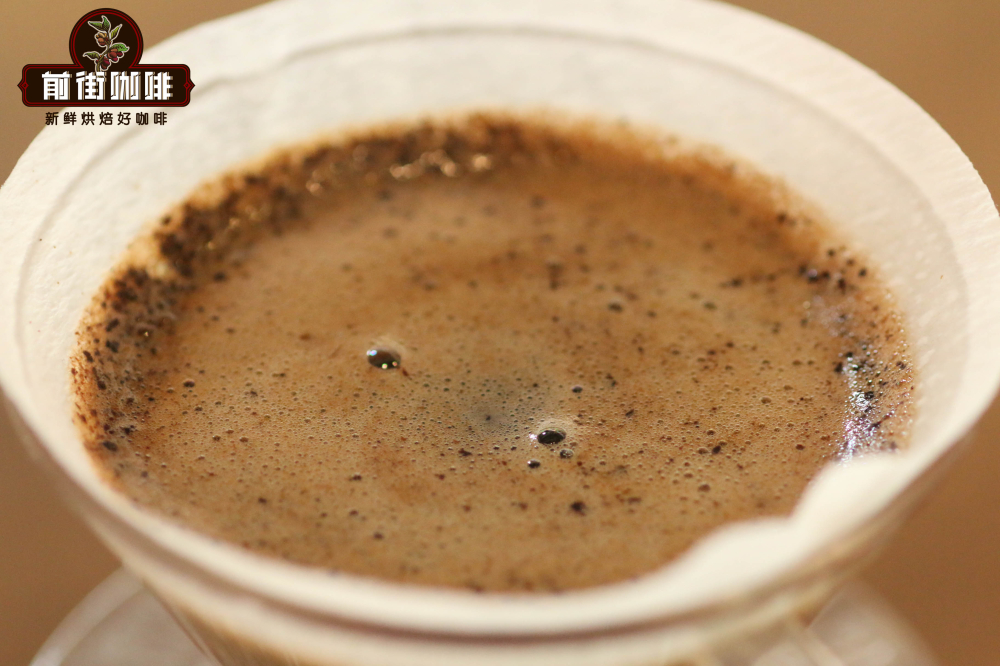
Pouring Technique and Water Flow Strength
The strength and speed of the water flow during pour over also directly influence the flow rate. The ideal water flow should have some penetration power and present a shape that is thicker at the top and narrower at the bottom—that is, wider at the spout and tapering to a sharp stream at the end.
If the pour is too gentle, lacking penetration, the water tends to repeatedly soak the same layer of coffee grounds, leading to over-extraction in that layer and producing bitter and astringent flavors. Conversely, a penetrating water flow allows water to quickly penetrate the interior of the coffee bed and spread from the inside out, reducing the chances of repeated extraction and improving overall extraction uniformity.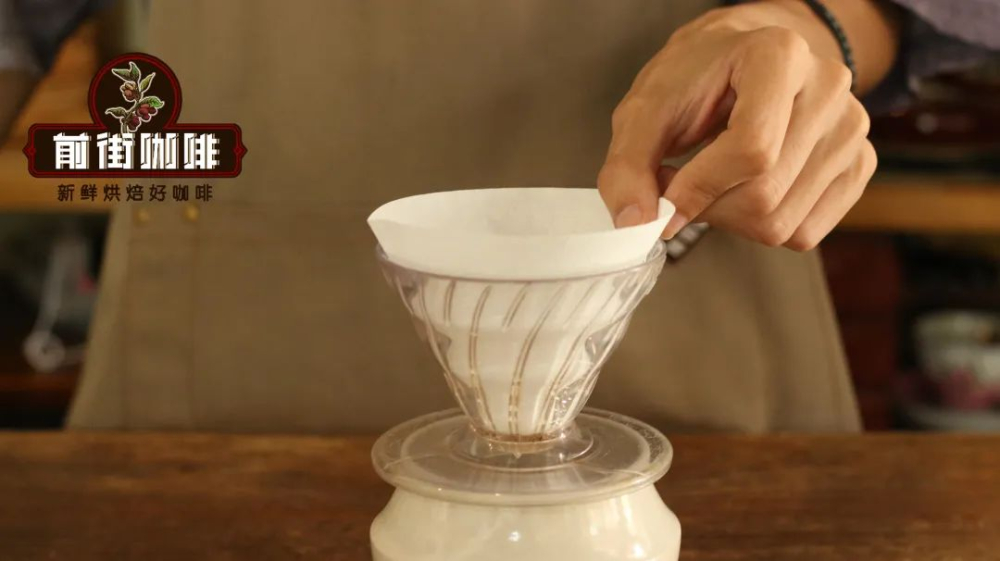
Water Level Inside the Filter Cone
Finally, the height of the water level inside the filter cone is also a factor affecting flow rate, particularly noticeable in filter cones like the V60 with widely distributed ribs. If too much water is added and the level is too high, water can easily flow down the edges of the filter cone instead of fully passing through the coffee grounds, leading to uneven extraction and abnormal flow rate.
In summary, there are many reasons for abnormal pour over coffee flow rates. From equipment selection, coffee bean characteristics, grind size, pouring method, to water level control, each step can be an influencing factor. When you next encounter a flow rate that is too fast or too slow, consider examining these seven aspects one by one, identifying the root cause, and making targeted adjustments. This ensures every cup of pour over coffee achieves its optimal flavor expression.
The above content is compiled by CoffeeHunters, a coffee news website.


