







Introduction:Although both pour over coffee and American drip machines use non-pressurized drip filtration methods for extraction, their flavor profiles and user experiences differ significantly. This article delves into the core differences between the two, analyzing everything from water temperature control and grind size selection to blooming and pouring techniques that influence the flavor of pour over coffee. It also compares the pros and cons of American drip machines to help you find the most suitable coffee brewing method.
Pour over coffee and American drip coffee machines are quite similar in extraction principle — both allow hot water to pass through the coffee grounds at a consistent rate without relying on high pressure. However, one relies on manual precision while the other is fully automated by machine, resulting in notable differences in flavor characteristics and suitable usage scenarios. Starting from practical operation and drawing on common home brewing equipment experience, this article explores the strengths and weaknesses of both brewing methods, helping coffee enthusiasts understand why pour over is more highly regarded and what key details to pay attention to when brewing at home.
In recent years, pour over coffee has gradually become the top choice for home coffee enthusiasts, with many starting to brew at home, while American drip machines are favored by many consumers for their convenience. Both methods essentially use atmospheric pressure extraction, where water slowly seeps through the coffee grounds, but the biggest difference lies in the fact that pour over relies on manual operation, whereas American drip machines complete the process automatically. Each has its advantages and limitations.
American drip coffee machines and pour over coffee share several common parameters, such as adjustable grind size and coffee-to-water ratio — these settings largely align with the basic requirements of pour over coffee. However, American drip machines typically have higher set water temperatures, and many models come with a keep-warm function. It’s important to note that coffee left in a high-temperature environment for extended periods can lead to flavor compound breakdown or deterioration.
It’s recommended to conduct a simple test at home: wait ten minutes after brewing before tasting the coffee’s aroma and acidity — you’ll usually notice significant differences. Therefore, American drip machines are better suited for making coffee for multiple people at once, while pour over coffee is naturally ideal for single servings. Of course, you can also adjust for multiple people by increasing the coffee dose.
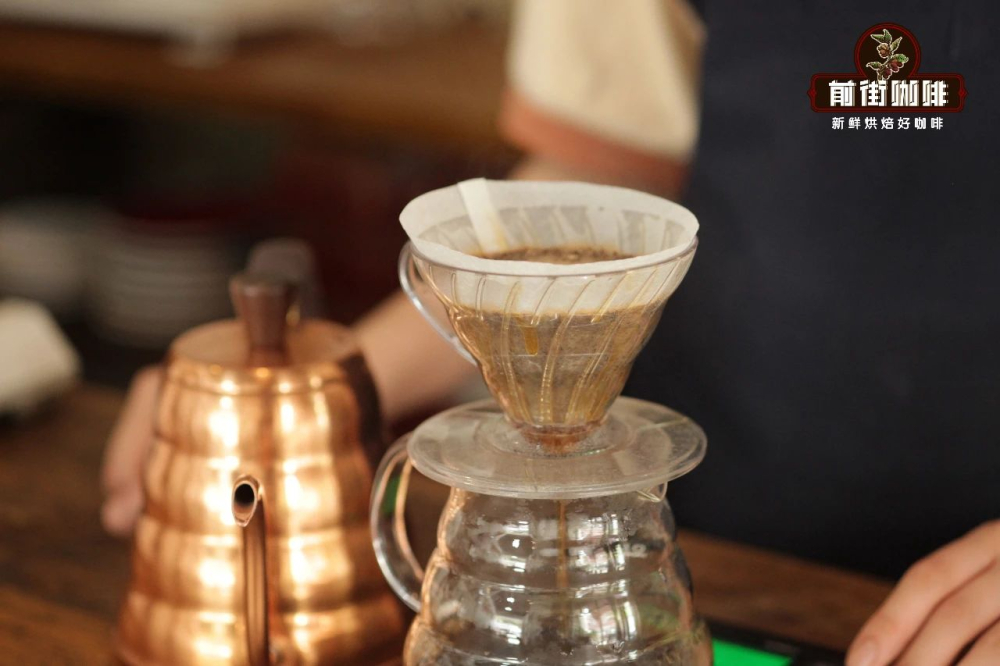
Pour over coffee may seem simple to operate, but brewing a cup with balanced flavor and rich layers is not easy — it requires considering multiple variables. The following will detail several key factors that influence the flavor of pour over coffee.
I. Warming the Cup for Pour Over Coffee
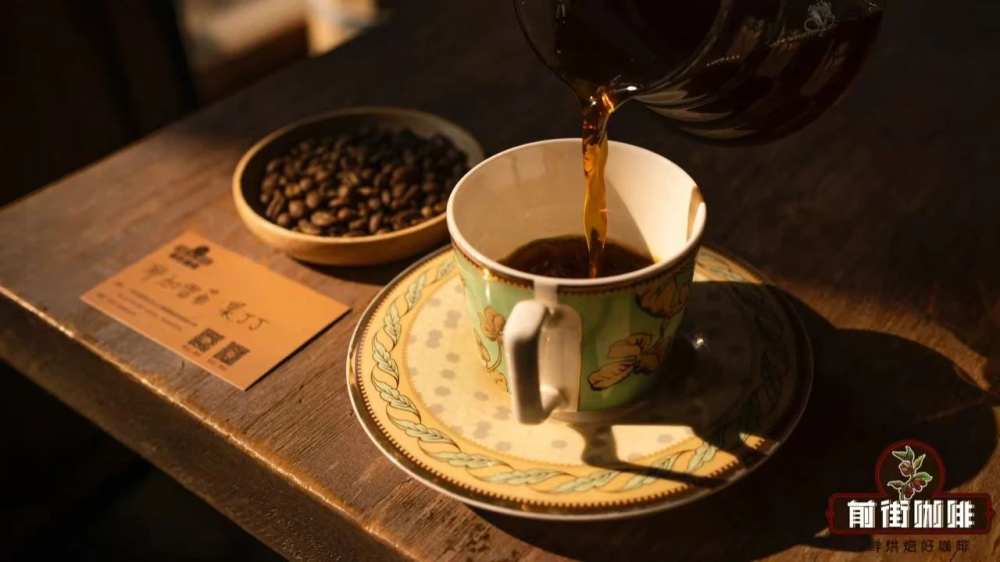
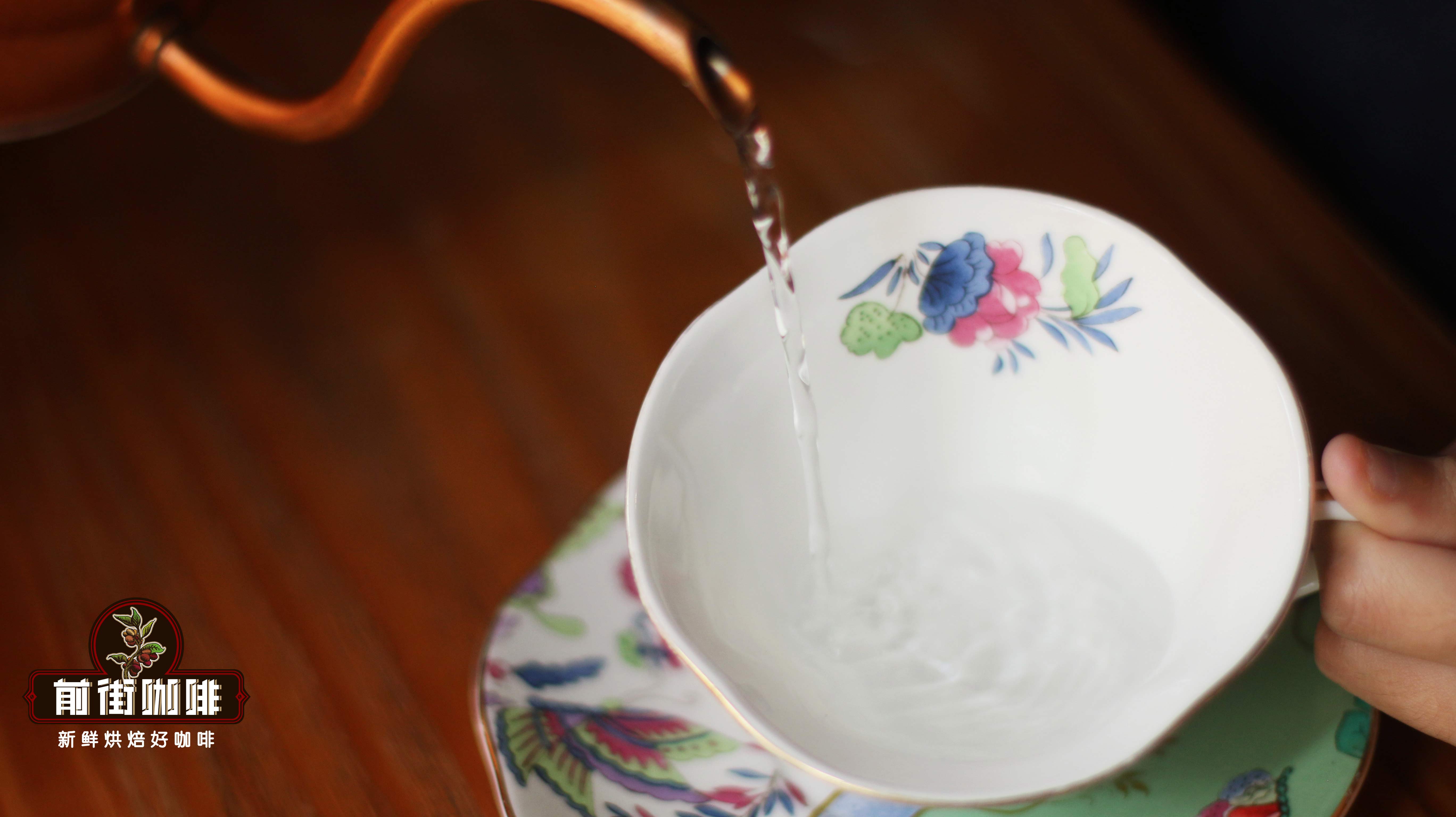
Coffee is extremely sensitive to temperature. When coffee liquid comes into contact with a cold cup, tannic acid is more likely to be extracted, resulting in a more acidic taste. Therefore, before brewing, it’s recommended to rinse the coffee cup with hot water. This not only raises the cup's temperature but also helps maintain the stability of the coffee’s temperature and flavor.
II. Grind Size for Pour Over Coffee Beans
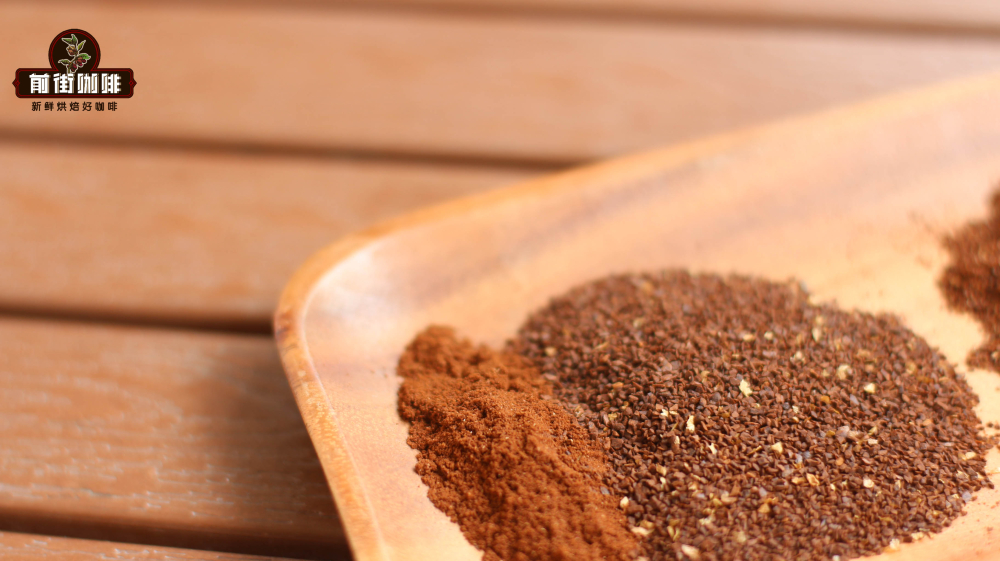
Grind size is one of the key factors affecting the flavor of pour over coffee. Different roast levels require different grind sizes: darker roasts are generally recommended to be slightly coarser than medium-dark roasts to avoid over-extraction and bitterness. Based on actual testing experience, the grind size for pour over coffee can refer to the following standards (based on standard sieve percentage): ice drip > pour over siphon > 80% > moka americano drip > 75-80% > cupping > 70-75% > French press > 65-70%. If measuring manually feels too tedious, you can simply observe the coarseness of the ground powder, but it’s best to grind fresh to retain more aroma.
III. Pour Over Coffee: Matching Equipment
A complete pour over setup mainly includes filter paper, filter cone, and server. For more stable extraction temperature, you can place a warming plate under the server to prevent the coffee from cooling during brewing. The size of the filter paper, filter cone, and server should match each other — for example, a two-cup filter paper should be used with a two-cup filter cone.
Among common filter cones, the V60 is suitable for brewing light to medium roasted beans. Its large holes and spiral ridges help regulate flow rate, thereby highlighting the coffee’s layered flavors. The Kono cone, on the other hand, is better suited for dark roasts. Its short ribs and slower flow rate enhance the coffee’s body. Choose according to your personal taste preference.
IV. Adding Grounds & Preheating the Server
After placing the ground coffee into the filter paper, gently tap the surface to flatten it, ensuring even water flow during brewing. Then, pour a small amount of hot water into the server, swirl to preheat, and discard the water. Next, place the flattened coffee grounds onto the filter paper and prepare for blooming.
V. Blooming in Pour Over Coffee
Blooming is a crucial step in pour over coffee — its purpose is to release carbon dioxide from the coffee grounds while awakening the aromas and laying the foundation for subsequent extraction. A common practice is to use 30 grams of water to bloom for 30 seconds. Pour in a small circular motion starting from the center of the coffee bed, making 2–3 rotations to ensure all grounds absorb water evenly. Ideally, 3–5 drops of water should fall during blooming. At this stage, the coffee grounds will gradually expand into a rounded shape and emit a distinct aroma.
VI. Pouring During Brew
After blooming, it’s recommended to let the pour over kettle rest on a damp cloth for 25–30 seconds to let the water temperature drop to 89–91°C. Generally, medium roasted beans are best brewed at 91°C to fully express their aroma, while dark roasts are recommended to use 89°C to avoid over-extraction and bitterness. The pour can be slightly wider than during blooming, but should remain steady. Start pouring in a circular motion from the center outward, then gradually return toward the center. Avoid directly hitting the edges of the filter paper to prevent astringent-tasting coffee. The total brew volume is recommended to be slightly above the server’s fill line to ensure enough coffee liquid.
VII. Serving & Enjoyment
Before pouring the coffee into your cup, gently swirl the server to mix the coffee liquid evenly and ensure consistent flavor in each cup. Then discard the cup-warming water and pour the coffee into a preheated cup. The entire pour over process is recommended to be completed within 2 minutes to avoid the coffee becoming overly acidic or astringent due to prolonged standing, which could negatively affect the final flavor.
The above content is compiled by CoffeeHunters, a coffee news website.


