







Introduction:The allure of dark roasted coffee lies in its rich, bold flavors and distinctive smoky aroma—but how can you adjust your brewing method according to roast level to bring out the best taste? This article provides a detailed breakdown of roast times, visual changes, and flavor profiles across roast stages from very light to Italian-style dark roast, along with practical extraction parameter recommendations to help you find your ideal deep-roasted coffee experience based on personal taste.
The roast level of coffee beans not only determines the direction of flavor but also directly affects brewing methods and final mouthfeel. The longer the roast time, acidity gradually decreases, caffeine content is also reduced, while bitterness and body are relatively enhanced. From very light roast to Italian heavy roast, each stage has its unique aromatic expression and suitable brewing equipment; understanding these differences allows you to more precisely enjoy the charm of dark roast coffee.
Very Light Roast (Light Roast) Beans at this stage are light brown in color, with pronounced acidity and strong grassy and grainy aromas, but the flavor profile is relatively thin and single-layered, generally not recommended for solo sipping. This roast stage has a short duration, with the bean core retaining many original characteristics, but it is suitable for advanced enthusiasts who seek bright acidity.
Moving on toCinnamon Roast (Light-Medium Roast), the bean surface appears light to medium brown, with prominent acidity and subtle aromas—it’s a common choice for pour over coffee. This stage preserves more of the coffee bean’s inherent flavors, and it is recommended to use pour over devices such as the V60 or Kalita Wave, paired with medium-coarse grind and water temperature of 90–93°C, to highlight clear fruity acidity and floral notes.
Medium Roast (Medium Roast) beans turn medium brown in color, with a balanced acidity and bitterness, moderate aroma, and some preservation of original characteristics—suitable for making Americano or as a blend base. This stage sees about 10–12 minutes of roasting time, during which the beans begin releasing more sugary substances. It is advised to use a cloth filter (e.g., flannel) or drip coffee machine, extracting at 88–92°C to present gentle nutty and caramel flavors.
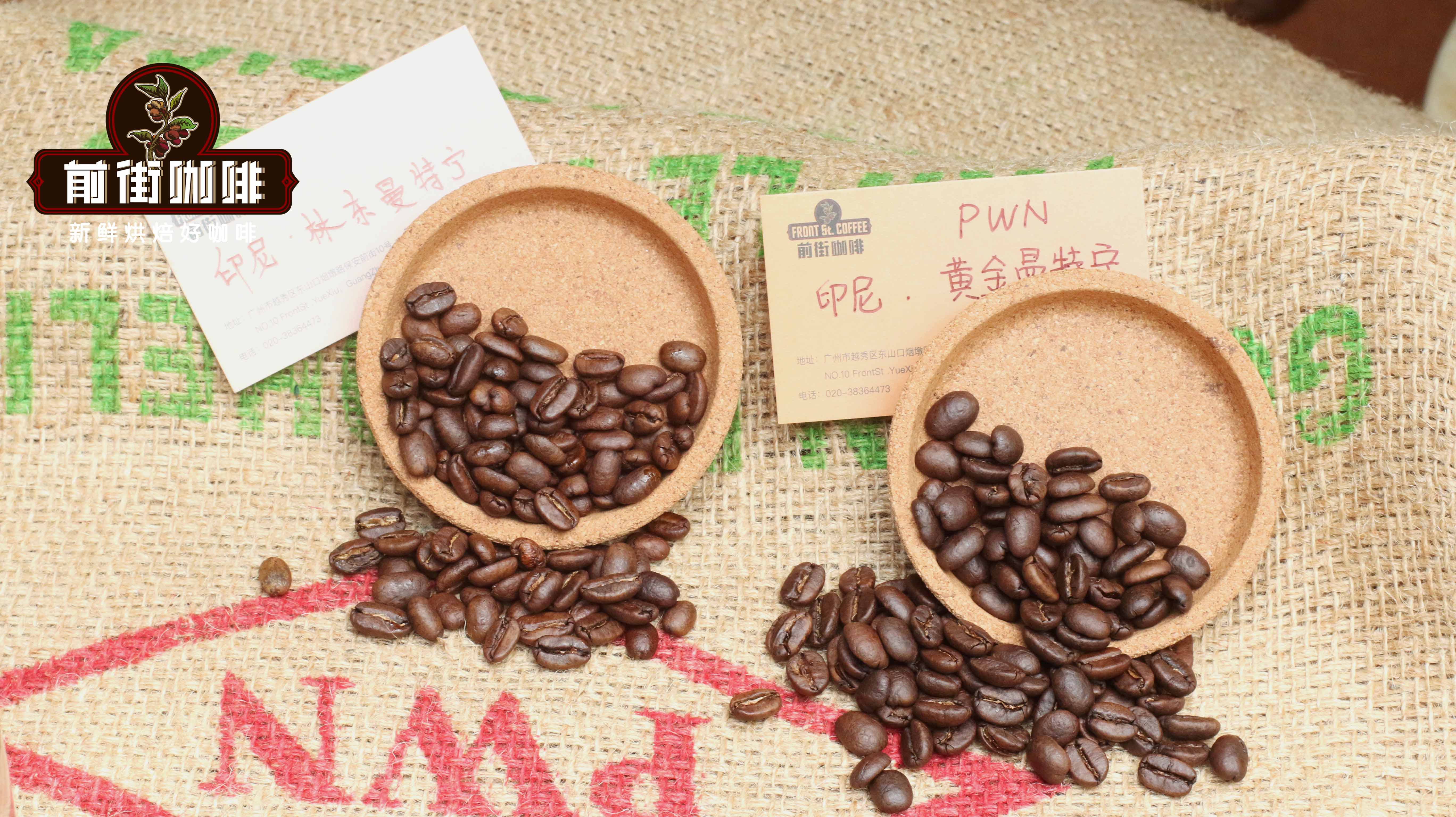
High Roast (Medium-Dark Roast) sees the bean color deepen, with acidity and bitterness achieving good balance and a hint of sweetness emerging; aroma and flavor layers are rich, making it a favorite among many specialty coffee lovers. This stage is well-suited to showcasing coffee complexity. It is recommended to use an AeroPress or clever dripper, with medium-fine grind and water temperature of 85–88°C to enhance caramel and chocolate undertones.
City Roast (City Roast) is a widely favored standard roast level, with slightly lower acidity than medium-dark roast, clearly highlighting the regional characteristics of the coffee beans. At this stage, the bean surface shows a dark-medium brown hue, suitable for making black coffee or milk coffee. It is recommended to use a moka pot or pour over tools, with medium-coarse grind and water around 90°C, balancing body and clarity of flavor.
As roasting progresses intoFull City Roast (Dark Roast), the bean color turns dark brown and begins to show oil sheen; bitterness becomes noticeably stronger than acidity, but the aftertaste carries a distinct sweetness. This stage is suitable for making iced coffee or pure black coffee. It is recommended to use a French press or AeroPress, with coarse grind and water temperature of 88–90°C to highlight rich caramel and nutty aromas.
French Roast (French Roast) andItalian Roast (Italian Roast) represent the ultimate expressions of dark roast—the bean surface is distinctly oily, nearly black in color. French roast offers intense bitterness with smoky notes, suitable for espresso bases; Italian roast features strong bitterness with a charred aroma, making it a classic choice for traditional espresso. These two stages are recommended for high-pressure extraction equipment, with grind size adjusted to very fine, and extraction time controlled within 25–30 seconds.
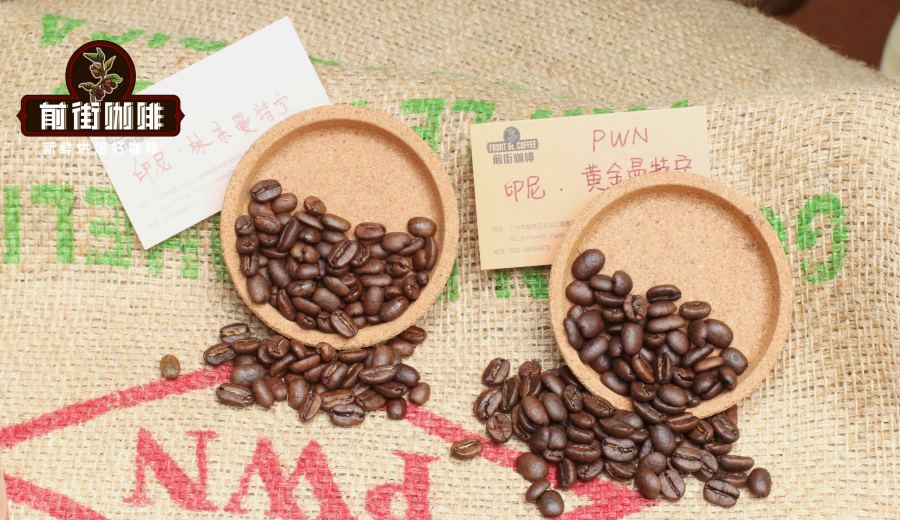
Theappearance characteristicsof dark roasted coffee beans include dark brown to near-black color with noticeable surface oil, typically roasted at temperatures around 240°C, even approaching the limit of 250°C. Be aware that over-roasting can lead to bean carbonization, producing charcoal or tar-like flavors. Common dark roast types such as French, Italian, European, and New Orleans are often used in espresso or blends, and selection can be adjusted based on individual preferences for bitterness and aroma.
Mastering the characteristics of different roast stages and the suitable brewing methods allows you to uncover more layered flavors in dark roast coffee. Whether you prefer bold bitterness or smoky aromas, by adjusting grind size, water temperature, and equipment combinations, you can find your most satisfying deep-roasted coffee experience.
The above content is compiled by CoffeeHunters, a coffee news website.


