







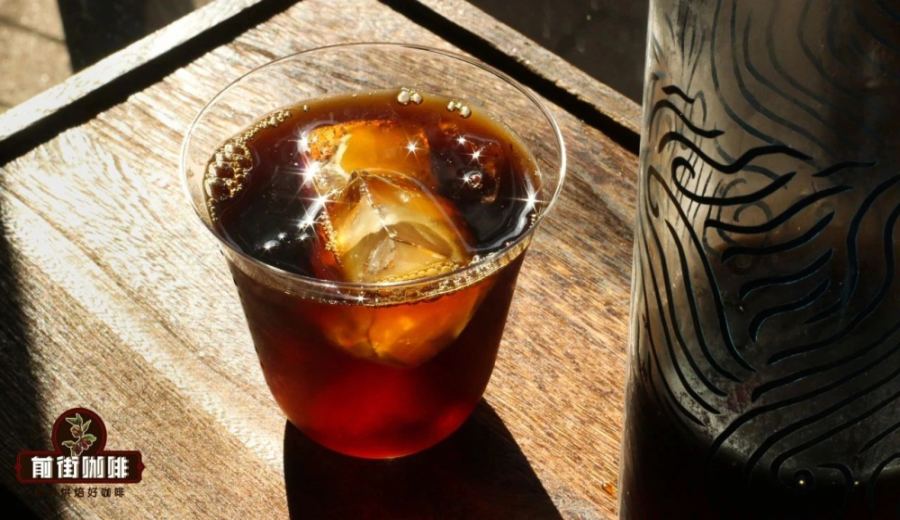
Introduction:Confused by terms like cold brew, ice drip, and iced Americano when you just want a cool coffee in summer? Though these iced coffee drinks may seem similar, they actually differ greatly in brewing methods, extraction times, and flavor profiles. This article provides a comprehensive breakdown of the various types of cold brew coffee—from definitions and brewing principles to taste details—and compares their fundamental differences with iced coffee and ice drip, helping you find your perfect match based on taste preferences.
On a hot summer day, a chilled cup of coffee can instantly refresh and invigorate. However, common iced options like cold brew, iced coffee, ice drip, and Americano iced coffee, though all served cold, vary significantly in both brewing techniques and flavor characteristics. This article will introduce the main categories of cold brew coffee in an easy-to-understand way and break down the key differences between them and other iced coffees, allowing you to better grasp the essence of each flavor whether you’re tasting or DIY-ing.
Iced Coffee: The Most Traditional Chilled Method
Iced coffee can be considered the oldest form of chilled coffee, and it’s actually very simple to make—just pour hot-brewed coffee directly into a cup filled with ice cubes. While this method cools the coffee quickly, the downside is that melting ice dilutes the coffee's flavor, and the temperature change may also cause some aromatic compounds to evaporate. Many people at home add syrups or creamers to adjust the taste, but sometimes the result ends up more like an iced latte rather than a pure black iced coffee. If you want to preserve the original flavors, it’s recommended to control the amount of ice or use pre-chilled coffee liquid.
Cold Brew Coffee: Low-Acid, Smooth Long-Extraction
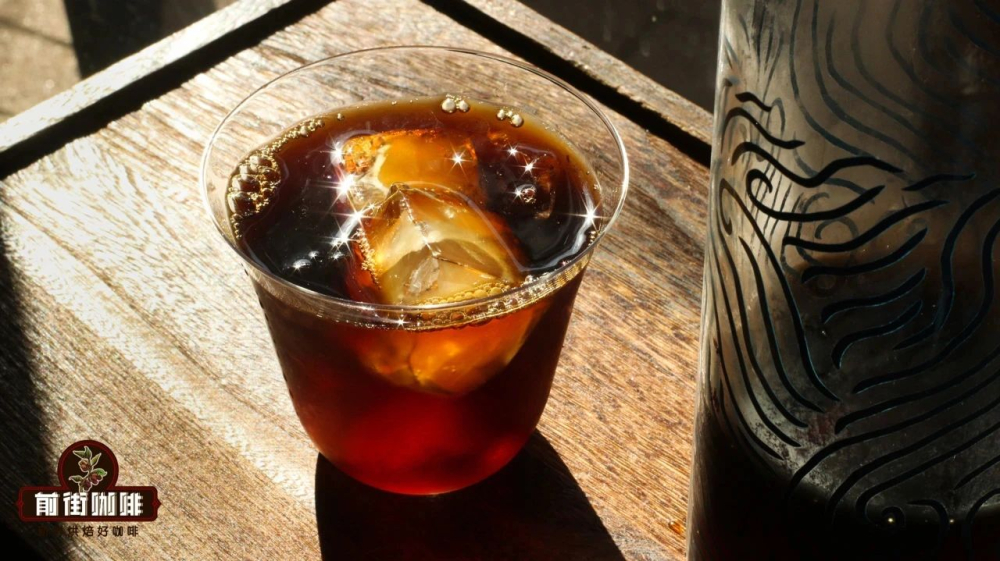
Cold brew coffee has gained global popularity in recent years, largely due to its unique brewing process and flavor profile. Unlike hot-brewed coffee, cold brew uses room temperature or cold water to slowly extract flavors from coffee grounds over a longer period (usually 12–24 hours). Without high heat, cold brew effectively reduces the release of tannins and bitter compounds, resulting in a smoother, sweeter taste with significantly lower acidity—making it ideal for those who aren’t fond of strong acidity or bitterness.
A high-quality cold brew can showcase a rich and layered flavor even without ice, and adding ice enhances the refreshing feel. Just be mindful of the type of ice used; it’s recommended to use ice made from pure water to avoid any additional flavor interference.
What’s the Difference Between Cold Brew and Iced Coffee in Brewing?
The fundamental difference lies in the brewing temperature and time. Iced coffee is hot-brewed and then cooled, whereas cold brew is extracted slowly at low temperatures throughout the entire process. For cold brew, coffee grounds and cold water are mixed at a certain ratio (commonly 1:8 to 1:12), left to steep in a fridge or at room temperature for several hours, and then filtered. This low-temperature, long-duration extraction method preserves more sweetness and complex aromas while avoiding the overly sharp flavors that can come from over-extraction.
What Are the Common Types of Cold Brew?
Depending on the brewing method and specific adjustments, cold brew coffee can generally be divided into several common types:
1. Standard Cold Brew (Cold Brew): The most basic method using cold water to steep coffee grounds for a long time, typically using coarse-ground coffee and steeping for 12–24 hours.
2. Cold Brew Concentrate: Uses a higher ratio of coffee grounds to water to produce a strong coffee concentrate, which can later be diluted with water or ice to personal taste.
3. Nitro Cold Brew: Nitrogen is infused into the cold brew coffee, creating a creamy texture and fine bubbles similar to a stout beer, usually served chilled and poured directly from a tap.
Ice Drip Coffee: The Ultimate Slow-Filtered Art
Ice drip coffee could be described as the “slow-evolved version” of cold brew. It involves melting ice that drips cold water through coffee grounds at an extremely slow rate (typically one drop per second), a process that may take several hours or even over ten hours. Due to the extremely low brewing temperature and slow speed, ice drip coffee usually features a very clean and delicate flavor profile, with subtle acidity, rich layers, and a long-lasting aftertaste. This method demands high-quality equipment and plenty of patience, but enthusiasts often describe it as “the whiskey of coffee,” perfect for savoring slowly.
Summary of Differences: Cold Brew, Ice Drip, and Americano Iced Coffee
• Cold Brew Coffee: Long cold-water steeping results in a smooth, low-acid, sweet flavor—ideal for those who prefer a silky mouthfeel.
• Ice Drip Coffee: Extremely slow dripping process leads to a refined, clean flavor with low acidity yet distinct layers. Though time-consuming to make, the result is highly rewarding.
• Iced Coffee: Hot-brewed coffee cooled with ice—flavors are vibrant but can become diluted; suitable for those wanting a quick caffeine fix.
• Americano Iced Coffee: Instant coffee or lightly brewed coffee with ice water—light-bodied and usually chosen for convenience.
Each type of iced coffee has its own unique charm. Whether you're after the crisp, low-acid profile of cold brew, the ultra-refined taste of ice drip, or the simplicity and speed of iced coffee, there’s a refreshing and flavorful experience waiting for you in the summer heat. Choose your favorite cup and enjoy the perfect blend of chill and richness.

The above content is compiled by CoffeeHunters, a coffee news website.


