







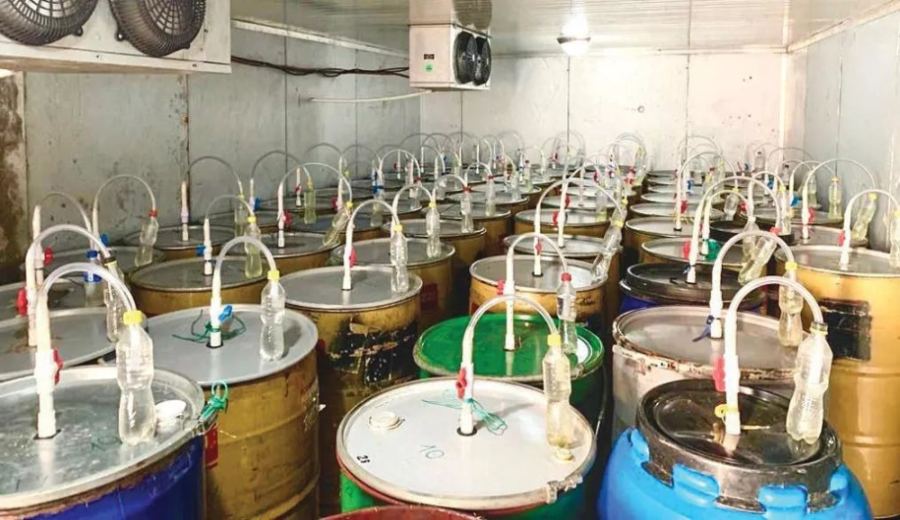
Introduction:Anaerobic fermentation is a popular innovative technique in the specialty coffee industry in recent years. By precisely controlling fermentation in an oxygen-free environment, it imparts richer sweetness and complexity to the coffee. This article delves into the steps, parameters, and flavor profiles of the three major processing methods—anaerobic natural, anaerobic washed, and double anaerobic—and explains their impact on coffee taste through real-world examples, helping readers understand the secrets of these processes and key points for selection.
Since being promoted by WBC champion Sasa Sestic in 2015, anaerobic fermentation has become a focal point in the specialty coffee field. Inspired by winemaking, this technique involves injecting carbon dioxide into a sealed container to remove oxygen and create an anaerobic environment, thereby precisely controlling the fermentation process and enhancing the sweetness and flavor complexity of the beans. As the technology has evolved, variations such as anaerobic natural, anaerobic washed, and double anaerobic have emerged, each showcasing unique flavor characteristics.
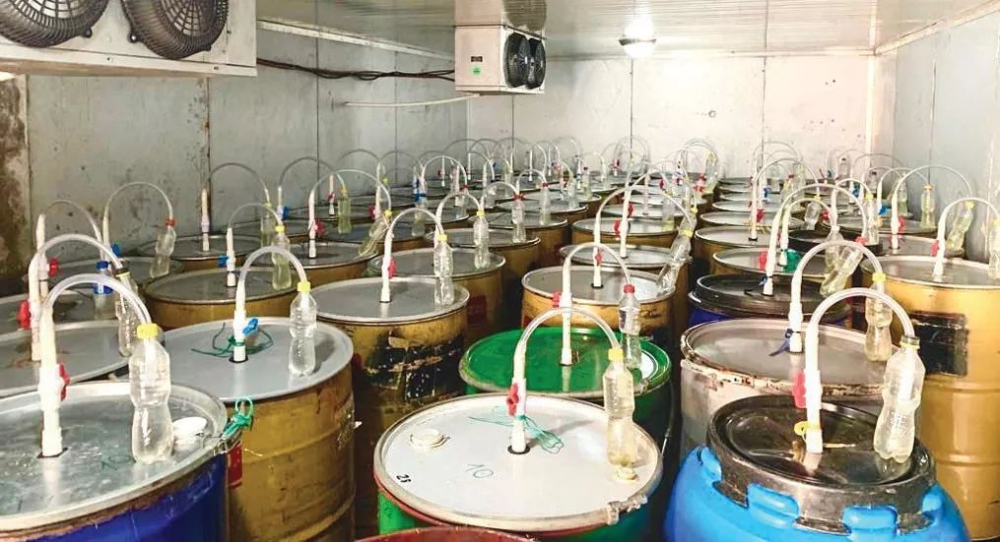
The rise of this processing method is inseparable from Sasa Sestic’s performance at the 2015 WBC. In fact, five of the top six contestants in the 2018 competition used anaerobically fermented beans, highlighting its appeal. In green coffee processing, fermentation is a key step that influences flavor, primarily categorized into aerobic and anaerobic types. Anaerobic fermentation is more stable and easier to control, delivering more consistent quality compared to traditional aerobic processing.
Also known as carbonic maceration, anaerobic fermentation draws inspiration from winemaking. In wine production, grapes are placed in a carbon dioxide environment where, even without oxygen, fructose can still be converted into alcohol, producing soft aromas and layered flavors. In coffee processing, whole coffee cherries are placed in a sealed metal tank, with carbon dioxide injected to displace oxygen and create an anaerobic environment. This slows down the breakdown of pulp sugars and the drop in pH, resulting in higher sweetness and distinctive flavors.
The coffee beans used by Sasa Sestic at the time came from the Rume Sudan variety grown at La Esperanza Estate in Colombia. He placed ripe coffee cherries in a stainless-steel sealed container, injected carbon dioxide to remove oxygen, and fermented them under anaerobic conditions. Throughout the process, he strictly controlled pH levels, gas composition, humidity, temperature, and the microorganisms involved in fermentation, ultimately achieving exceptional sweetness and balanced flavors.

It’s worth noting that there is currently no unified standard for anaerobic fermentation methods marketed today, with most being adjustments based on Sasa’s approach. Experimental techniques such as anaerobic natural, anaerobic washed, and double anaerobic are innovative attempts that incorporate anaerobic steps into traditional processing methods.
For anaerobic natural processing, freshly picked coffee cherries are placed in a sealed barrel for low-temperature fermentation. The anaerobic environment slows down the breakdown of pulp and makes the pH drop more gradual, allowing the fermentation period to be extended, which aids in the development of sweetness. The fermentation temperature is typically controlled between 10 to 15 degrees Celsius, and after fermenting for more than three days, the cherries are sun-dried before the pulp is removed to extract the beans.
This Colombian Huayueye lot employs this process. After anaerobic natural treatment, the beans exhibit a rich, ripe fruit acidity and sweet fermentation aroma. When roasted, they release notes of cranberry, strawberry jam, liqueur chocolate, and cream, with a strong fermented character.
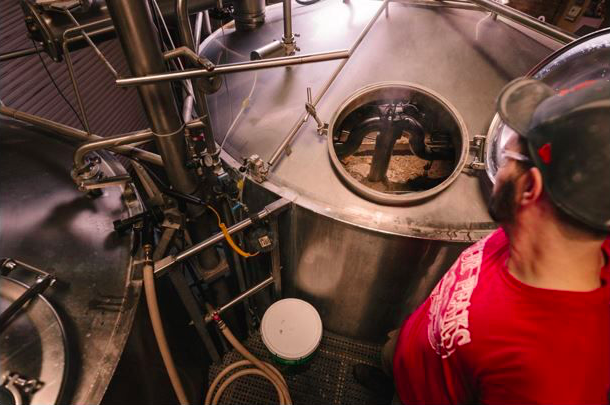
Anaerobic washed processing first involves 12 hours of dry fermentation of the coffee cherries, followed by mechanical removal of the skin and pulp. The beans are then placed in a sealed fermentation tank for 24 to 48 hours of anaerobic fermentation, and finally dried. This method gives the beans a bright, fruity sweetness. For example, a certain Colombian Rose Valley lot offers notes of peach and rose when brewed using pour over.
Double anaerobic washed involves two anaerobic steps. After harvesting, the coffee cherries undergo a first sealed anaerobic fermentation, then the pulp and skin are removed following the washed method. The beans, still coated with mucilage, are then subjected to a second anaerobic fermentation in a sealed environment, and finally sun-dried until the moisture content reaches 11%. This process earns its name from the two rounds of anaerobic treatment.

A certain Colombian Sidamo and Datubao lot both use a similar double anaerobic natural process. The Sidamo exhibits notes of grape, passionfruit, apricot preserve, and intense fermentation aromas, while the Datubao presents blackcurrant juice and citrus tones, with a balanced acidity and sweetness, offering a unique flavor profile.
The above content is compiled by CoffeeHunters, a coffee news website.


