







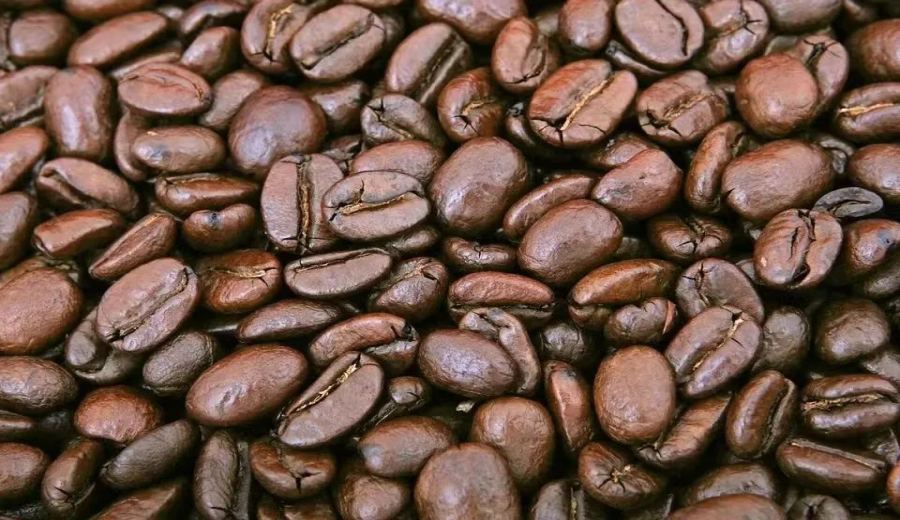
Introduction:Do you know why many specialty coffees proudly advertise “100% Arabica”? This article delves into the core differences between Arabica and Robusta, explores the history and flavor profiles of two classic varieties—Typica and Bourbon—and uses medium-dark roasted Jamaican Blue Mountain as an example to provide pour over recommendations including filter choice, water temperature, coffee-to-water ratio, grind size, and pouring technique to help you brew a smoother Arabica coffee with more pronounced sweetness.
Walking into a café or convenience store, you often see coffee packages labeled “100% Arabica.” This is not just marketing jargon but also represents the bean variety and basic quality. But what exactly is Arabica? How does it differ from the common Robusta? This article will take you through variety characteristics, historical background, and practical pour over parameters to help you fully understand how to brew better-tasting Arabica coffee.
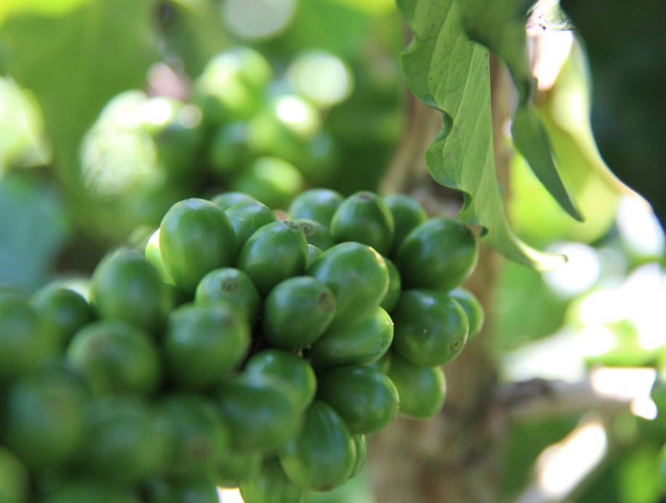
First, Arabica (Coffea Arabica) is one of the most widely cultivated coffee varieties in the world, accounting for approximately 60% to 70% of the total market. Compared to Robusta, Arabica demands much stricter growing conditions, typically requiring altitudes between 800 to 2,200 meters. The large day-night temperature variation at these elevations helps the coffee cherries ripen slowly, accumulating richer flavor compounds. Additionally, Arabica needs well-drained, organic-rich soil and has lower resistance to pests and diseases, making its cultivation more challenging and costly overall.
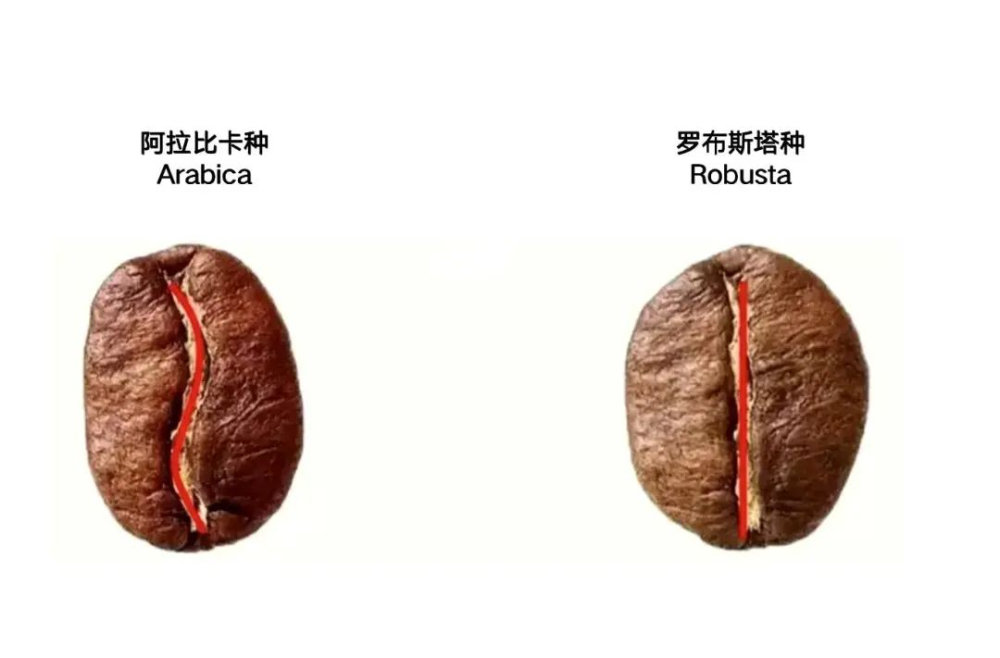
In contrast, Robusta contains caffeine levels as high as 2% to 4%—about twice that of Arabica—which gives it stronger natural resistance to diseases but also results in a bolder, deeper, and often woody or earthy taste. Robusta is mostly used in instant coffee or dark roasted espresso blends. Though more affordable, its flavor is generally less favored compared to Arabica.
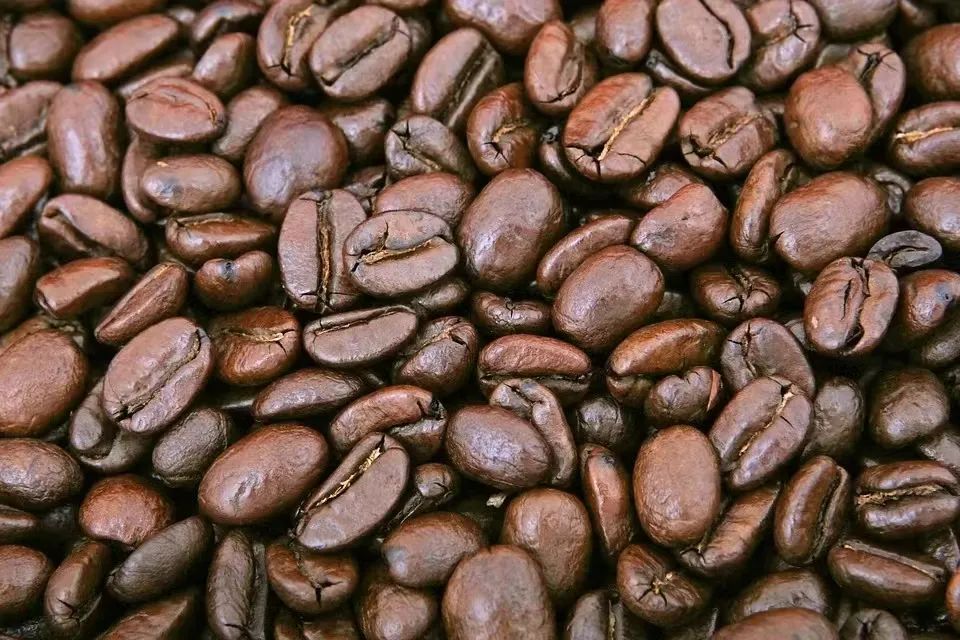
Many people mistakenly believe that “100% Arabica” guarantees high quality, but in the specialty coffee world, this is already a basic requirement. That said, the label still helps consumers quickly identify whether the product uses mainstream high-quality beans. Nowadays, almost all single-origin pour over beans on the market are Arabica varieties, which are better able to showcase unique regional and processing flavors.
So, is Arabica necessarily tastier than Robusta? The answer is: it depends on processing and roasting. Arabica has lower caffeine content, ranging from 0.9% to 1.4%, but significantly higher fat and sugar content than Robusta. Therefore, with careful processing and proper roasting, it can present richer acidity, sweetness, and aroma layers—making it the preferred choice in the specialty coffee market.
Two Classic Arabica Varieties: Typica and Bourbon
The history of Arabica can be traced back to two foundational varieties—Typica and Bourbon. Typica is one of the earliest discovered Arabica varieties, believed to have originated in Ethiopia during the 15th to 16th centuries. Its beans are slender and oval-shaped, with bronze-colored top leaves. Typica is known for its elegant acidity and clean flavor profile, but it has low yield and is susceptible to leaf rust, leading to its gradual replacement by hardier varieties. The famous Jamaican Blue Mountain coffee is made from the Typica variety, developing its unique flavor within the island’s microclimate.
Jamaican Blue Mountain, due to its special growing environment, features coffee flavors that are primarily gentle acidity, distinct sweetness, and notes of chocolate and nuts. A certain well-known coffee brand chooses a medium-dark roast to highlight its rich nutty and chocolatey aromas while preserving moderate acidity and sweetness, resulting in a more balanced overall taste. For this medium-dark roasted Typica coffee, it is recommended to use a KONO filter, paired with a water temperature of 88°C,、a coffee-to-water ratio of 1:15,,以及 and a medium grind size (approximately 75% passing through a #20 sieve, such as EK43s at setting 10.5),which can effectively prevent off-flavors caused by over-extraction.
Specific pour over suggestions are as follows: place 15 grams of coffee grounds in the filter, start with about 30 grams of water for a 30-second bloom, then pour in small streams in a circular motion from the center outward until you reach 125 grams for the first pour. Once the coffee bed drops to the middle of the filter, continue pouring with the same fine stream until you reach 225 grams to complete extraction, keeping the total brew time around 2 minutes. These parameters fully highlight the mellow and delicate qualities of Blue Mountain coffee.
Another classic variety is Bourbon, which naturally mutated from Typica. Its beans changed from the original slender shape to a rounder form. Bourbon was first discovered on the island of Bourbon (now Réunion) off the east coast of Africa, and later introduced to Brazil in the 18th century, becoming the foundation for many modern varieties. Compared to Typica, Bourbon yields about 20% to 30% more and generally offers a sweeter flavor profile with softer acidity, often featuring notes of caramel and nuts.
A well-known coffee brand once launched a semi-washed Red Bourbon from Brazil, characterized by nutty and chocolatey notes as the main profile, complemented by moderate caramel sweetness. It has a smooth mouthfeel and an overall balanced performance, making it very suitable for beginners trying coffee for the first time. For this type of Bourbon coffee, a medium-light roast is recommended, and when brewing pour over, you can choose a V60 or Kalita Wave filter, with water temperature around 90 to 92°C and a slightly finer grind to bring out more aroma and complexity.
In summary, the charm of Arabica coffee lies in its diverse flavor potential and delicate taste expression. Whether you are a beginner or an experienced coffee enthusiast, understanding variety characteristics and adjusting appropriate pour over parameters can allow you to enjoy a richer and more surprising coffee experience.
The above content is compiled by CoffeeHunters, a coffee news website.


