








Introduction:Mandheling coffee from Sumatra, Indonesia, is renowned for its rich herbal and earthy aromas, and among them, Golden Mandheling is a prized gem sought after by specialty coffee enthusiasts. This article delves into the production region characteristics of Golden Mandheling, its wet-hulling processing method, the G1 grading standard, and the four-stage manual screening process by PWN Company. It also introduces the background of the mainstream Catimor variety, and provides three practical selection tips to help readers identify high-quality Mandheling while avoiding common market pitfalls.
In recent years, Golden Mandheling has garnered increasing attention in the international specialty coffee market, with many coffee lovers curious about its unique flavor profile and rigorous grading system. Upon visiting coffee shops, it’s common to find that some Golden Mandheling green beans are not only large and uniform in appearance, but also have a high proportion of horse-eye beans and extremely low defect rates, standing in stark contrast to some lower-quality products on the market. This article will begin with the natural conditions of Sumatra’s production regions, gradually analyzing Mandheling’s wet-hulling processing method, the origin of the G1 grade system, and the four-stage manual screening process used by PWN for their Golden Mandheling. It will also explore the characteristics of the Catimor variety involved, and finally summarize practical selection advice to guide your purchasing decisions more effectively.
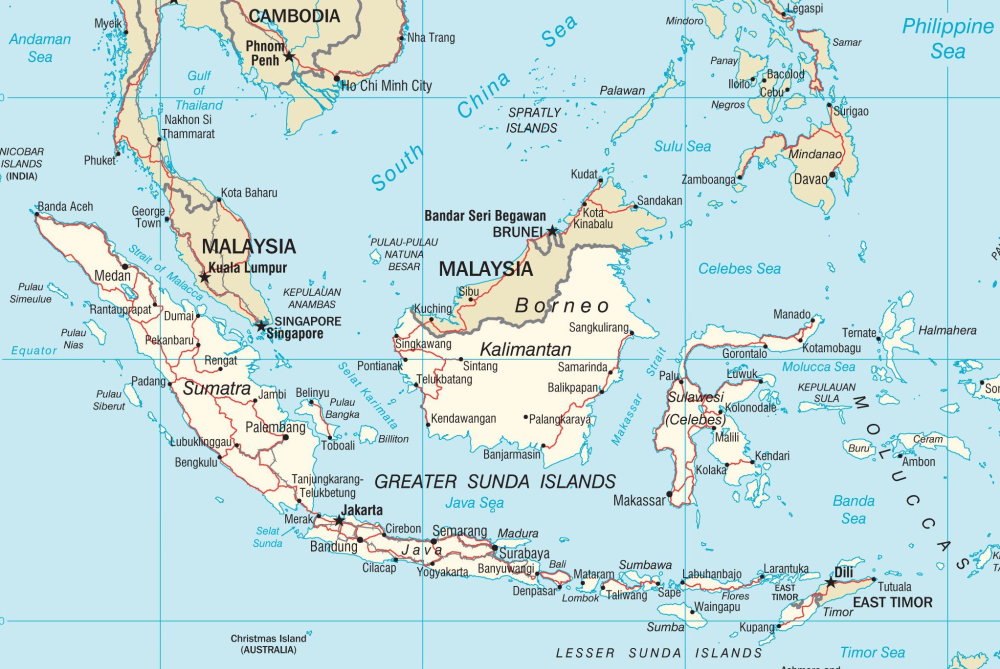
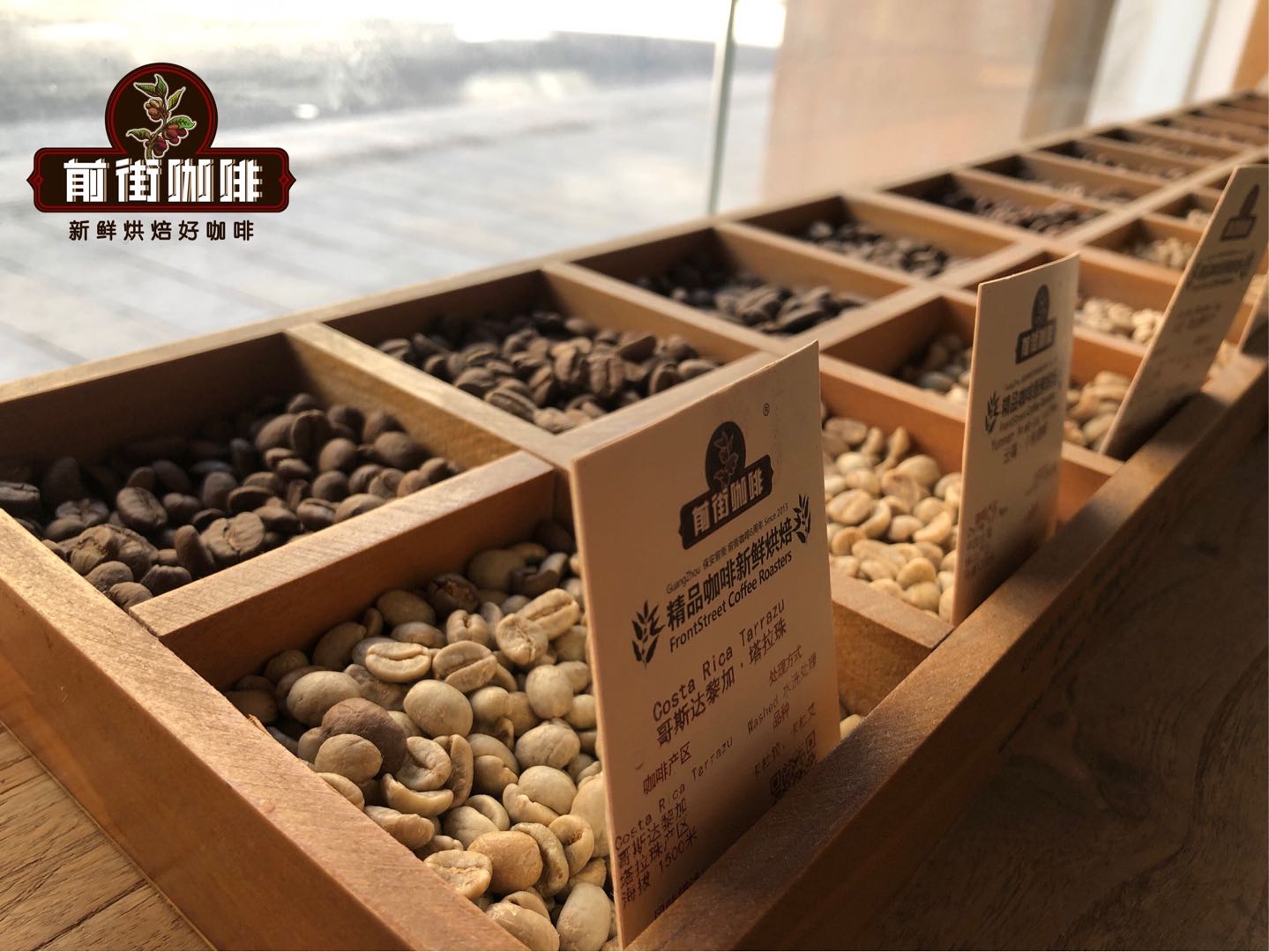 As Indonesia’s largest island, Sumatra is located near the equator and features a typical tropical rainforest climate, with high temperatures, high humidity, and abundant rainfall year-round. While such an environment is conducive to coffee cultivation, the humid climate and limited access to clean water make traditional washed or natural processing methods difficult to implement. As a result, a unique “wet-hulling” processing method was developed locally. This technique not only affects the efficiency of coffee drying, but also imparts the distinctive herbal, earthy, and spicy notes that define Sumatran coffee’s flavor profile.
On the other hand, Indonesia has relatively limited areas suitable for growing high-altitude Arabica coffee, with only about a quarter of the country’s total coffee production being Arabica, and the majority being Robusta, which is better suited to low-altitude environments. Due to differences in altitude and variety, there is a wider variance in the quality of Indonesian coffee, hence the establishment of a practical grading system based primarily on the number of defective beans, rather than solely relying on bean size.
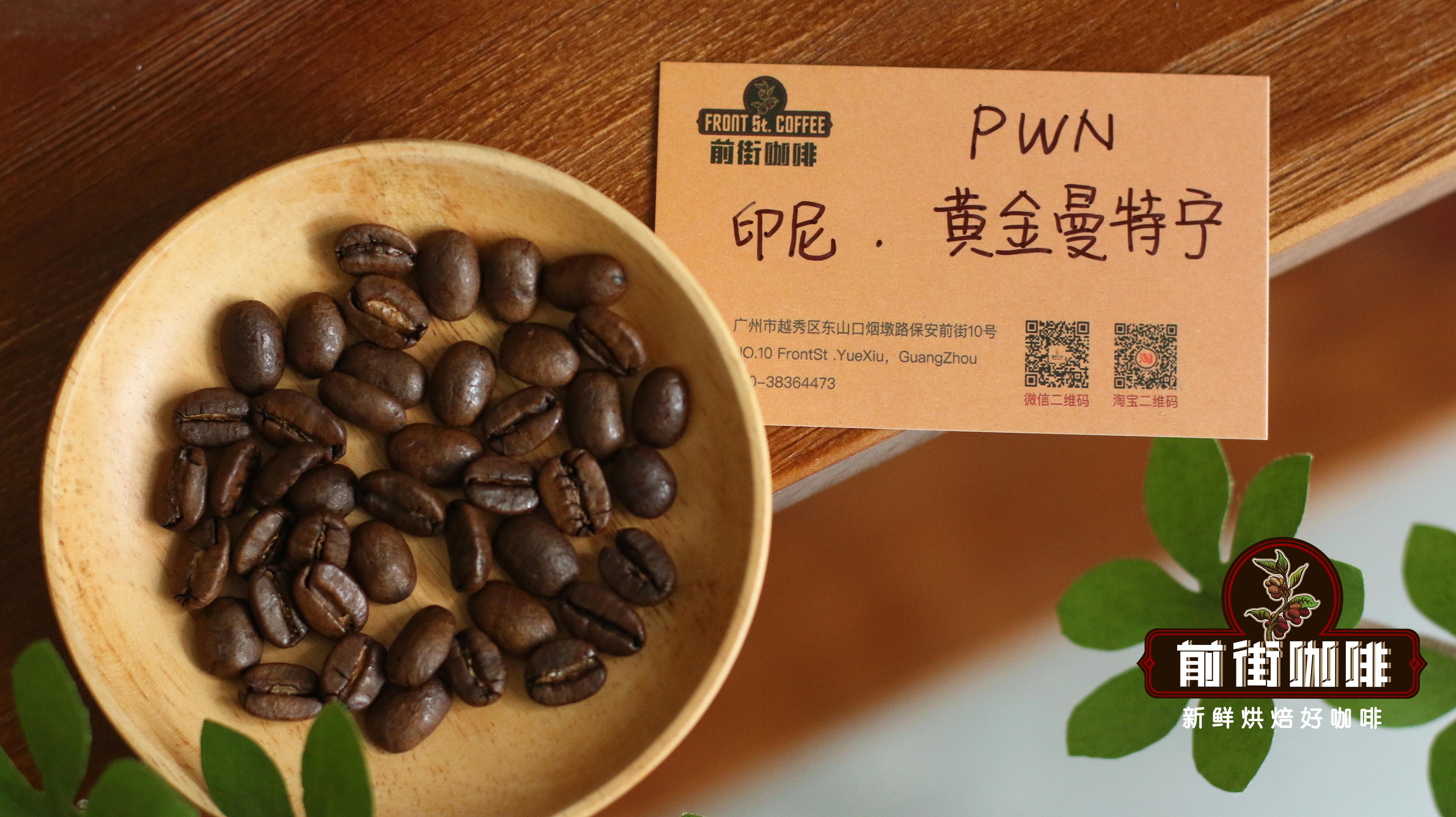 The grading system for Indonesian Mandheling is primarily determined by the number of defective beans found in a 300-gram sample of green beans, with bean size serving only as a supplementary reference. Generally, the basic requirements for commercial coffee beans in Indonesia include: no live insects, no moldy or foul-smelling beans, moisture content not exceeding 12.5%, and impurity levels below 0.5%. Based on these criteria, the grading standards are as follows:
The selected Indonesian Golden Mandheling belongs to the top-tier G1 grade. This grade is extremely rare, originally custom-developed for the Japanese market, requiring no more than 3 defective beans in a 300-gram sample—an exceptionally stringent standard.
When discussing the uniqueness of Golden Mandheling, one must mention PWN Company, which is exclusively responsible for producing this particular grade. There are many types of Sumatran Mandheling available on the market, including Lintong Mandheling, aged Mandheling, and Tiger Mandheling, but Golden Mandheling, due to its multiple layers of careful selection, commands a relatively higher price. PWN’s Golden Mandheling undergoes four rounds of manual screening to thoroughly remove defective beans, retaining only those with intact appearance and excellent internal quality. Its screening standards are even stricter than the typical G1 grade, resulting in a cleaner flavor, as well as more pronounced sweetness and aftertaste.
 Currently, the coffee variety used by PWN is no longer the original Typica, but rather the hybrid Arabica-Robusta variety—Catimor. Catimor was successfully developed in 1959 and widely promoted in Brazil during the 1970s and 1980s. This variety is highly resistant to disease and boasts high yields, making it particularly suitable for regions in Central and South America where coffee leaf rust is prevalent. As a result, it quickly became the dominant variety. Catimor plants are relatively short and ideal for dense planting. Their new leaves are reddish-brown, but rapid growth also means higher demands for nutrients and shade, with an average lifespan of only about ten years.
Due to Catimor’s Robusta genetic makeup, Golden Mandheling based on this variety not only retains the traditional richness and earthy tones of Mandheling, but also exhibits more pronounced roasted toast aromas and higher body, becoming a hallmark of its unique flavor profile.
Finally, to help coffee enthusiasts avoid common pitfalls when purchasing Mandheling, here are three practical suggestions: First, since Indonesian coffee is predominantly Robusta—with only about 10% being Arabica—some unscrupulous merchants may try to pass off low-cost Robusta as Mandheling, so extra caution is needed. Second, if the product name includes the word “flavor,” such as “Mandheling flavor” or “Mamba flavor,” it usually indicates that the product does not contain genuine Mandheling beans. Lastly, because Sumatran production regions like Lake Toba are humid, bug-prone, and have relatively inadequate processing equipment, Mandheling green beans are prone to defects. Therefore, when purchasing, being able to inspect whole roasted beans or even green beans in person can help you assess their quality more accurately.
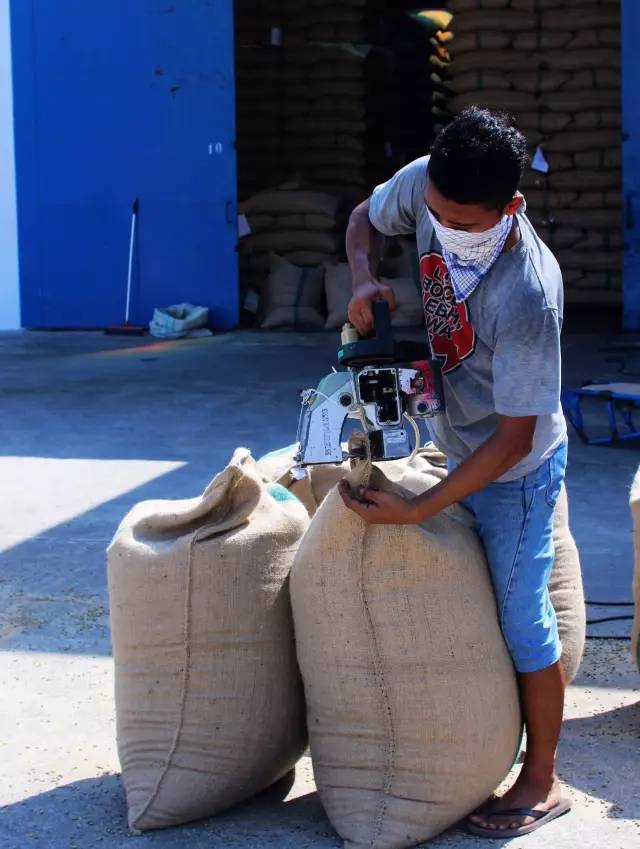
The above content is compiled by CoffeeHunters, a coffee news website.


