







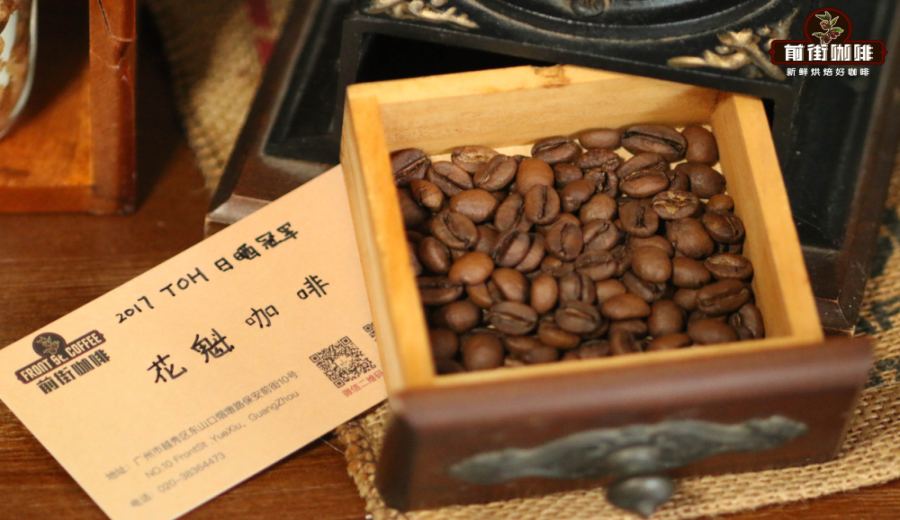
Introduction:Since winning the TOH (Taste of Harvest) Natural Category Championship in 2017, the Hua Kui coffee has captivated the hearts of many coffee enthusiasts with its rich fruity aroma and full-bodied flavor. This article delves into the historical background, version evolution, and roasting characteristics of Hua Kui coffee, and provides practical parameters and flavor comparisons for five common brewing methods—V60, clever dripper, French press, AeroPress, and cold brew—to help you find the brewing style that suits you best.
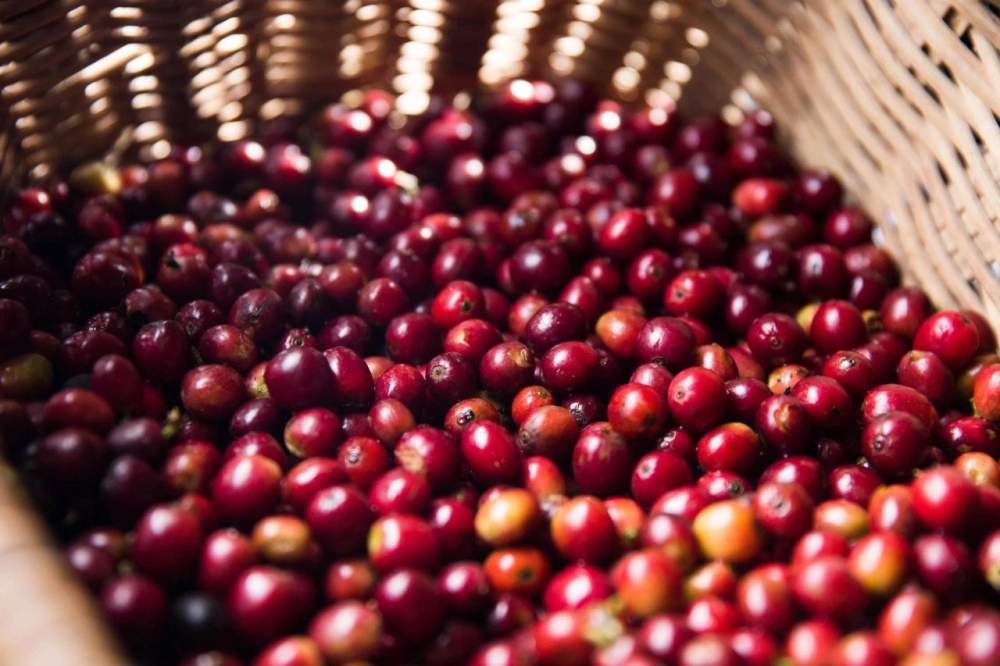
The birth of Hua Kui coffee is inseparable from the 2017 TOH (Ethiopia National Taste of Harvest Competition). That year, a Natural Process G1 coffee bean from the Buku Abel washing station in the Hambella region of Ethiopia’s Guji Zone won the Natural Category Championship with its outstanding berry aroma and creamy texture. Originally referred to simply as “Hambella,” this coffee bean was named “Hua Kui” by importers, symbolizing “the queen of all flowers,” and quickly gained popularity in the market.
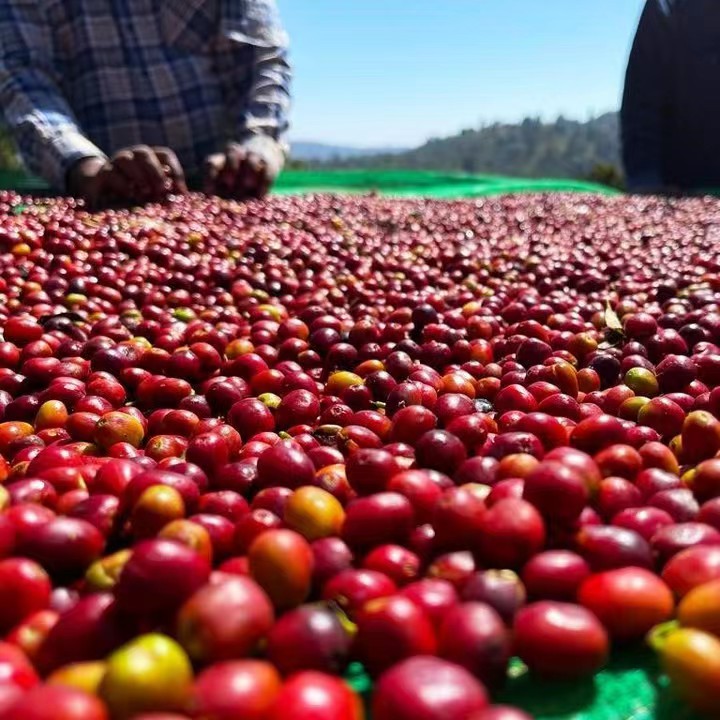
Interestingly, Hua Kui is not synonymous with a single origin or fixed batch. After winning the championship, DW added five new washing stations in Dimtu town, Wamena Wereda, Hambella—including Buku Abel, Buku Saysay, Haro Soresa, Tirtiro Goye, and Seke Bokosa—all of which produce Natural G1 beans now included under the “Hua Kui” name. However, only the coffee processed by Buku Abel most closely resembles the original championship profile.
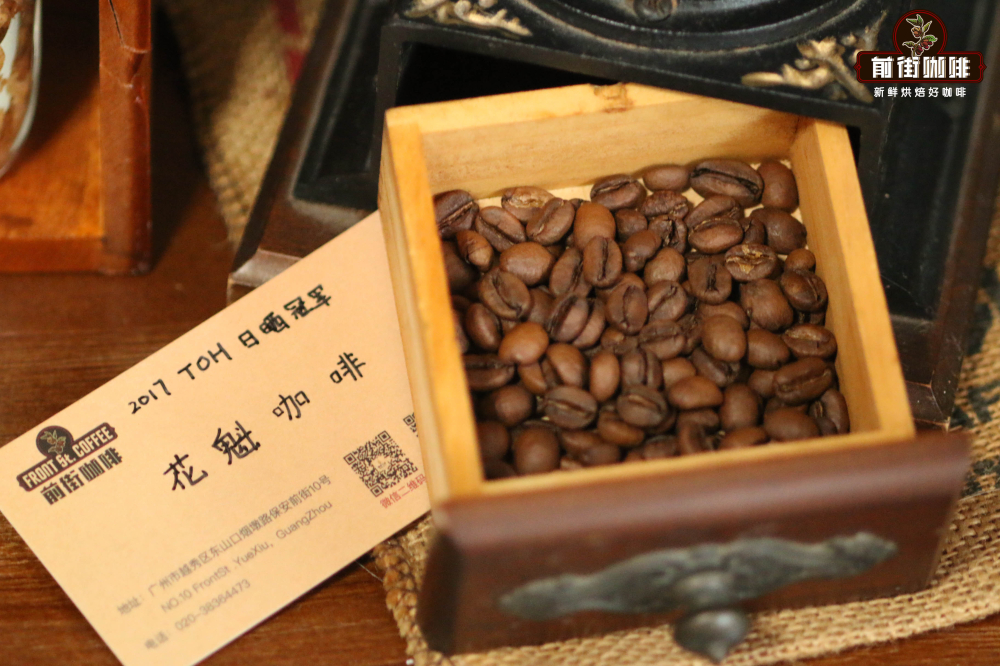
To meet growing market demand, DW has gradually expanded its harvesting areas and processing scale, resulting in subsequent batches differing in flavor from the 2017 championship beans. To differentiate them, domestic green bean merchants have introduced year-based numbering for batches after 2018—for example, 2018 was labeled “Hua Kui 2.0,” while 2019 saw the release of “Hua Kui 3.0” and “Hua Kui 3.1,” forming a series of sequentially numbered versions.
An Ethiopian Hua Kui coffee from a certain brand, roasted to a medium-light level, highlights its fruity acidity and sweetness, preserving bright berry and floral notes. The dry fragrance carries hints of nuts, honey, and light fermentation, while the cup delivers a sweet and tangy interplay of passion fruit, strawberry, and cream, with a full body and a long cocoa-toned aftertaste.
Below are five common extraction methods along with their corresponding parameters and flavor profiles:
V60 Drip Filtration
Use medium-fine grind (80% passed through a #20 sieve), a 1:15 coffee-to-water ratio, and water at approximately 91°C. Suggested dose is 15g of coffee with 225g of water, brewed in two pours: first, a 30g bloom for 30 seconds, then a circular pour up to 125g before pausing, followed by pouring the remaining water to reach 225g. Total brew time is about 2 minutes and 10 seconds. This method highlights a vibrant mix of berry aromas, creamy strawberry, and passion fruit acidity, with a full body and pronounced sweetness.
Clever Dripper Immersion Brew
Use medium grind (75% passed through a #20 sieve), also at a 1:15 ratio, with water at 90°C. Add 15g of coffee to 225g of hot water, bloom for 30 seconds, then let it steep for 1 minute and 50 seconds before releasing the coffee through the bottom valve. Total brew time is around 2 minutes and 5 seconds. The flavor presents a rich berry juice sensation, creamy smoothness, and an aftertaste reminiscent of black tea.
French Press Immersion Brew
Use medium-coarse grind (71% passed through a #20 sieve), at a 1:15 ratio, with water at 92°C. Add 15g of coffee and 225ml of hot water to the press, steep for 4 minutes, then slowly press the filter down. This method enhances fruitiness and creaminess, resulting in a bold, full-bodied flavor, though it may carry a slight sediment feel.
AeroPress Pressure Brew
Use fine grind (90% passed through a #20 sieve), at a 1:15 ratio, with water at 90°C. Wet the filter paper and add the coffee grounds, pour hot water up to the “④” mark, stir, then quickly place the plunger on top. Let it sit for 1 minute before pressing down until 1 minute and 20 seconds. The flavor is clean with bright acidity, featuring distinct berry and black tea notes, and a smooth mouthfeel.
Cold Water Immersion Brew (Cold Brew)
Use medium-fine grind (85% passed through a #20 sieve), at a 1:15 ratio. You can use room temperature or iced water. Recommended: 30g coffee with 300g water and 150g ice, or directly 450g room temperature water, steep in the fridge for 12–24 hours. Best consumed after filtering and resting for 2–3 days, and should be consumed within 7 days. This method reduces acidity and amplifies fruitiness, delivering balanced sweetness and acidity with intense berry juice flavors.
The above content is compiled by CoffeeHunters, a coffee news website.


