







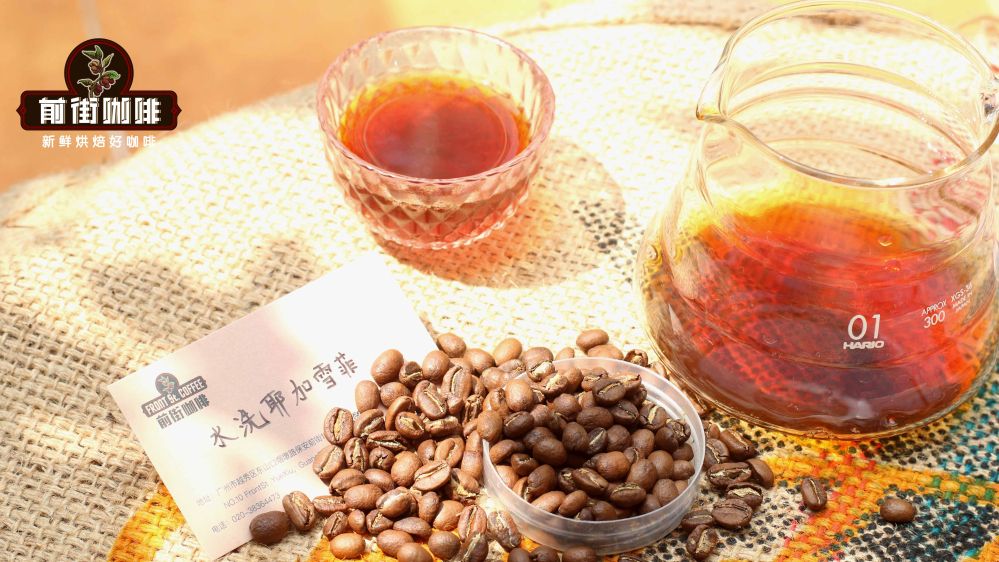
Introduction:Yirgacheffe coffee beans, with their distinctive floral and citrus notes, have become a top choice for many coffee enthusiasts just starting out. This article delves into its historical origins, the production regions under the ECX system, and why it represents not just a place name but also a flavor profile. It also introduces beginner-friendly washed-process options to help you comprehensively understand this famous region—from flavor to purchasing.
Yirgacheffe is one of the most renowned specialty coffee regions in southern Ethiopia, widely loved for its pronounced floral aromas and refreshing citrus characteristics. If you're familiar with specialty coffee, you’ve surely heard of it. But did you know? Yirgacheffe is not just a geographical name—it represents an unforgettable type of coffee flavor. This article will take you through its historical background, regional changes, and flavor features to deeply analyze this captivating coffee bean.
Many people’s first encounter with Yirgacheffe is captivated by its uniquely distinctive fruity and floral aromas. Compared to other regions, Yirgacheffe coffee beans often exude bright and refreshing scents like jasmine, lemon, and bergamot, with vibrant acidity and a clean taste—making you feel as if you’re in an alpine garden. Even when compared to the pricey Panamanian Geisha, Yirgacheffe is hailed by many coffee aficionados as a "premium quality gem" thanks to its excellent cost-performance ratio.
In fact, Yirgacheffe was originally part of the Sidama region. Due to the exceptionally unique aromatic qualities displayed by the coffee beans grown by local smallholders, it gradually stood out and eventually became an officially recognized separate production region within Ethiopia’s coffee grading system. Nowadays, if you search for “Yirgacheffe Sidama” on a search engine, you’ll find fewer accurate matches, because it has long been regarded as an independent region.
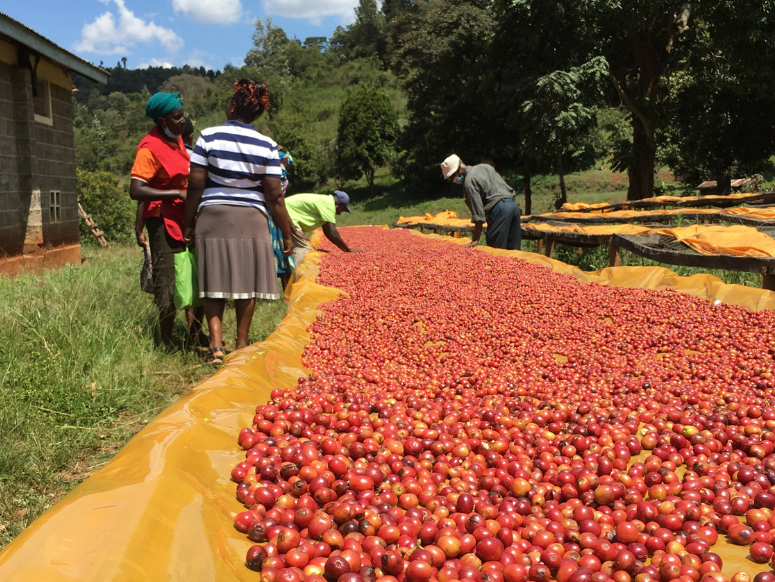
Interestingly, the name “Yirgacheffe” actually originates from the local Amharic pronunciation, later transliterated into English. As the birthplace of Arabica coffee, Ethiopia boasts the world’s most important wild coffee genetic diversity, with most of its coffee still cultivated traditionally by small family farms, with the harvest season mainly concentrated between October and December each year.
Yirgacheffe is located in the Gedeo zone in the southern part of the country. In earlier times, coffee from this area didn’t receive much attention because its beans were smaller in size, not fitting the then-market myth that “larger coffee beans = higher quality.” However, with the rise of specialty coffee—especially driven by the third wave coffee movement—washed Yirgacheffe beans introduced by well-known roasters gained fame for their delicate fruity and floral profiles and clear, bright acidity, propelling this small town into global stardom as a mecca for coffee lovers.
For those new to specialty coffee, it’s recommended to try a medium-light roasted washed Yirgacheffe, such as the commonly found Guji Dingding variety. These beans are usually processed using the washed method, offering clear flavors and bright acidity, with noticeable citrus and floral notes. They’re suitable for brewing methods such as pour over, French press, drip bags, or cold brew, making them an excellent entry point for understanding Yirgacheffe’s flavor. Moreover, these products are reasonably priced, ideal for everyday drinking.
However, what you may not know is that the “Yirgacheffe” coffee beans commonly seen in the market today don’t all come from the town of Yirgacheffe itself. Because its flavor is so iconic, under Ethiopia’s ECX (Ethiopia Commodity Exchange) system, “Yirgacheffe” has been designated as a legal production region category, encompassing areas such as Yirgacheffe town, Wanago, Kochere, and Gelena Abaya.
This means that as long as specific processing and quality conditions within this legal zone are met, even coffee not grown in Yirgacheffe town itself can be classified as “Yirgacheffe” coffee. Therefore, the term “Yirgacheffe” today is no longer just a place name but more like a specific coffee flavor label—much like how the word “oolong tea” instantly brings to mind certain aromas and taste associations.
In summary, Yirgacheffe is not just a place name but an unforgettable coffee experience. From its historical evolution and regional changes to its flavor characteristics, the uniqueness of these coffee beans makes it an indispensable part of the specialty coffee world. If you want to explore the diversity of coffee, Yirgacheffe is definitely a classic region worth savoring and discovering in detail.
The above content is compiled by CoffeeHunters, a coffee news website.


