







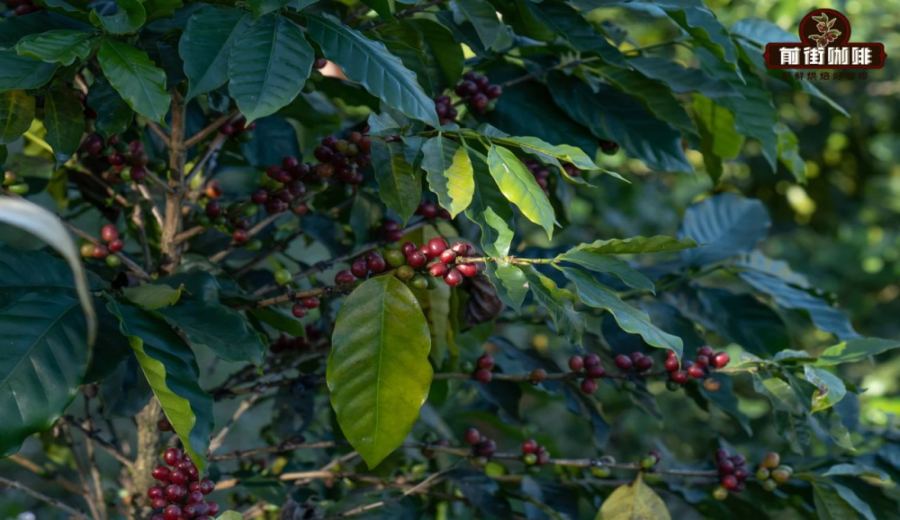
Introduction:The West Arsi region in Ethiopia shone brightly in the Cup of Excellence (COE) competition, with Typica and local heirloom coffee beans standing out for their unique flavors and exquisite processing techniques. This article provides a comprehensive analysis of these two representative coffee beans — from regional background, variety differences, processing methods, roasting profiles, to actual cupping and pour-over techniques — taking you deep into the diversity and refined potential of Ethiopian coffee.
As the birthplace of Arabica coffee, Ethiopia brings surprises to the global market every year. This year, the country made its debut in the Cup of Excellence (COE) cupping competition, where the West Arsi region gained notable attention by securing multiple high rankings with Typica varieties. A well-known coffee brand recently listed a COE-ranked #22 natural sundried Typica, along with another coffee bean from the same region processed as “heirloom” — although both originate from West Arsi, they showcase distinctly different flavor profiles. This article will take you through an in-depth comparison of the uniqueness of these two coffees, covering everything from regional environment, variety characteristics, processing techniques, roasting settings, all the way to cupping and pour-over practices.
West Arsi is located in the western part of Ethiopia’s Oromia Region, a secondary administrative zone (Zone), about 300 kilometers from the renowned Yirgacheffe region and adjacent to Sidama. In the 2020 COE competition, several farms from West Arsi had already made it to the finals, but this year it became a focal point. Notably, the competing West Arsi coffees, whether from Kokosa or Nansebo, were all of the traditional Typica variety, demonstrating the deep roots of this variety in the region. The COE #22 natural sundried Typica introduced by a certain brand, and another coffee labeled as “Arshi Heirloom,” were born in this context. Though from the same area, each has its own unique charm.
Typica is one of the oldest varieties in the Arabica family. It is believed to have been first brought from Ethiopia to Yemen, then spread via trade to India, Java, and eventually Central and South America. This variety is known for its elegant, clean, and balanced flavor profile, with soft acidity and noticeable sweetness. However, it is relatively susceptible to pests and diseases and yields lower production, which is why its cultivated area has significantly decreased. A brand’s cupping experience shows that even when grown in different regions, Typica can maintain its bright and refreshing foundation. The COE #22 natural sundried Typica in question comes from West Arsi, an important origin area for Typica, showcasing the variety’s peak expression in its local terroir.
In contrast, another coffee from Arshi is categorized as “heirloom.” Due to Ethiopia’s extremely rich coffee gene pool, with numerous varieties that have not undergone scientific classification or naming, most are collectively referred to as “heirloom.” Such coffees often possess more complex and varied acidity profiles and fruity layers, but may be slightly less clean and consistent overall compared to classic varieties like Typica. In a brand’s actual cupping comparisons, it was found that heirlooms often exhibit stronger berry and tropical fruit notes, with bold and layered flavors, making them ideal for coffee lovers who enjoy rich taste experiences.
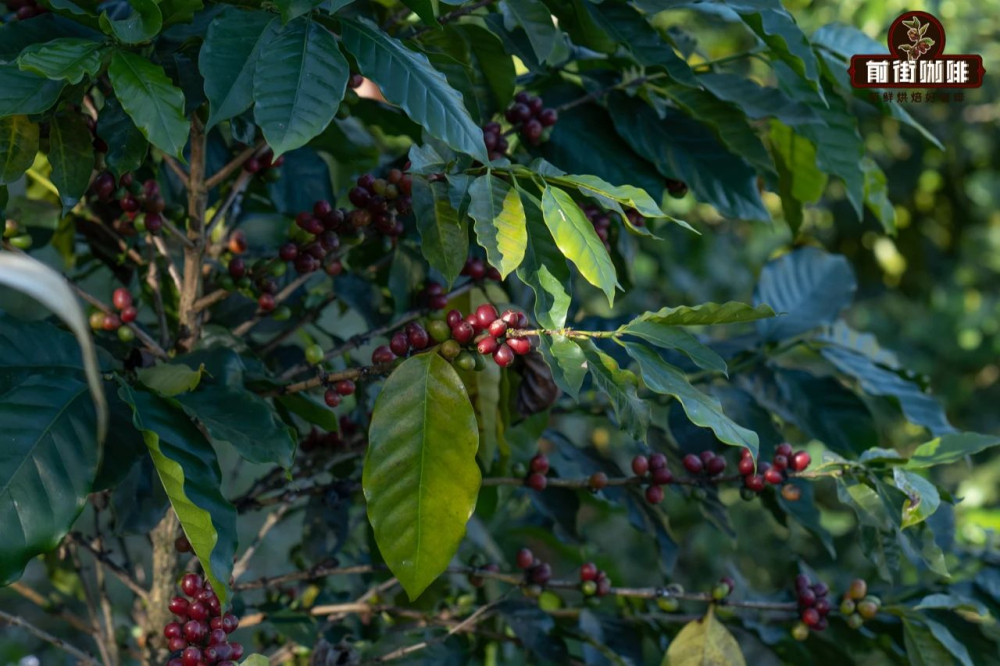
In West Arsi, coffee harvesting and processing are handled with great care. Farmers select only fully ripe red cherries, picking them by hand one by one to ensure uniform size and ripeness. During processing, defective beans and unripe cherries are first removed, after which the red cherries are evenly spread on elevated wooden frames or racks for prolonged sun drying. This method effectively prevents the beans from contacting the ground and absorbing off-flavors, while frequent turning ensures even heating and dehydration. Every three to five days, farmers re-screen the cherries to remove moldy or poor-quality beans until the skins are completely dry and hardened. Only then are the beans depulped using a hulling machine to remove the mucilage and outer husk, followed by a final selection to ensure green bean quality.
A certain brand also adjusts the roasting profiles of these two coffee beans according to their characteristics. Taking the COE #22 natural sundried Typica as an example, it is recommended to use a Yangjia 800N roaster, with a charge weight of 480g, an inlet temperature of 160°C, damper set to 3, and flame at 120. At 115°C, adjust the flame and damper; around the 6-minute mark, the bean surface turns yellow, grassy notes fade, and dehydration is complete. By the 8th minute, the bean surface shows wrinkles and dark spots, entering the pre-first crack stage, at which point close attention must be paid to the onset of first crack. First crack begins around 9’08”, with a development time of 1’20”, and the final drop temperature is 193.5°C, preserving its elegant floral-fruity tones and delicate sweetness.
As for the Arshi Heirloom, it is also recommended to use the Yangjia 800N, with the same charge weight of 480g, but the inlet temperature is set to 170°C, flame at 130, and damper at 3. The turn-around point is around 1’32”, and when the drum temperature drops to 100.2°C, maintain the flame. At 3 minutes, adjust the damper to 4, and at 4 minutes increase the flame to 140. The bean surface turns yellow at 8’36”, entering the dehydration phase, then first crack begins at 9’10”, with a development time of 1’30”, and the final drop temperature is 192.5°C, aiming to highlight its rich fruitiness and full body.
In cupping performance, the Arshi Heirloom exhibits a distinct berry-forward profile, with layers of plum, berries, cranberry jam, nectarine, and mango unfolding upon entry, followed by a honeyed sweetness in the finish. The COE #22 natural sundried Typica, on the other hand, presents a crisper citrus and camellia tone, with a flavor profile that includes citrus, lychee, honey, cream, winey notes, mango, and strawberry. Overall, it shows a more balanced and delicate expression, with soft acidity and a long-lasting aftertaste.
For pour-over recommendations, both coffees are suitable for use with a V60 #01 filter, with water temperature controlled at 90–91°C, coffee dose at 15g, water-to-coffee ratio of 1:15, and grind size medium-fine (about 80% through a Chinese standard No. 20 sieve). A brand recommends a three-stage extraction method: start with a 30-second bloom using 30g of water, then pour in a small circular motion up to 125g for the first pour. When the water level drops and is about to expose the coffee bed, pour again up to 225g before stopping. Total extraction time is around 2 minutes. This method helps fully express the unique flavor layers of both coffees, especially suited for coffee enthusiasts looking to deeply explore the nuanced variations of Ethiopian coffee.
In summary, the Typica and heirloom coffee beans from the West Arsi region, though from the same origin, present vastly different flavor directions due to varietal characteristics and processing differences. Typica showcases classic cleanliness, balance, and finesse, while the heirloom excels in rich fruitiness and vibrant acidity. Whether you prefer one style or the other, these two coffees offer different taste journeys and serve as excellent entry points for exploring the diversity of Ethiopian coffee.
The above content is compiled by CoffeeHunters, a coffee news website.


