







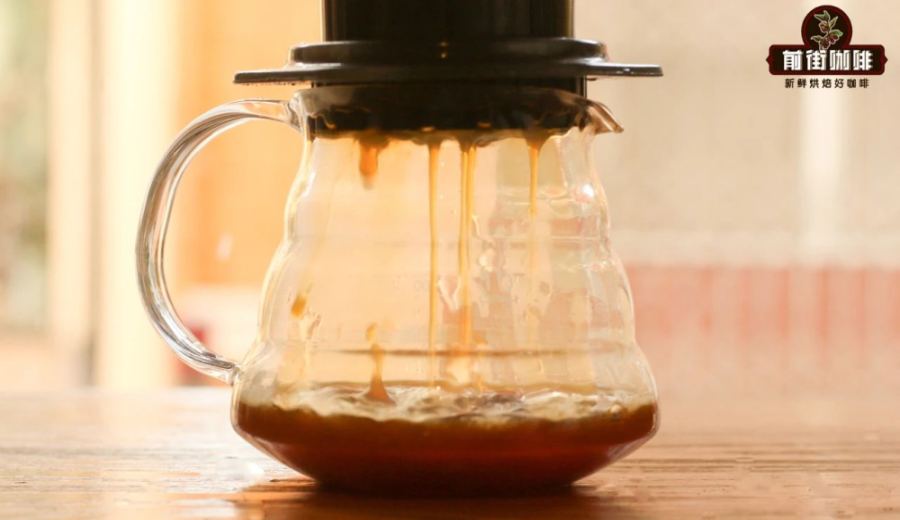
Introduction:The AeroPress, as a brewing device that combines the flexibility of pour over and the convenience of espresso, is highly favored by coffee enthusiasts. However, to extract the rich flavors of medium-to-dark roasted beans such as Mandheling, it’s essential to master key parameters and operational details. This article will delve into the grind size, water temperature range, blooming and stirring techniques for medium-to-dark roasts using the AeroPress, along with practical recommendations to help you achieve a cup of coffee with balanced acidity, sweetness, and layered complexity.
The AeroPress is a coffee brewing tool that sits between pour over and espresso, widely loved for its simplicity and stability. However, to fully showcase the bold flavors of medium-to-dark roasted beans like Indonesian Mandheling, a deep understanding of grind size, water temperature, extraction time, and stirring methods is required. This article will detail how to adjust the various parameters of the AeroPress to meet the needs of medium-to-dark roasts, and provide practical operational tips so you can brew a nuanced cup of coffee at home.
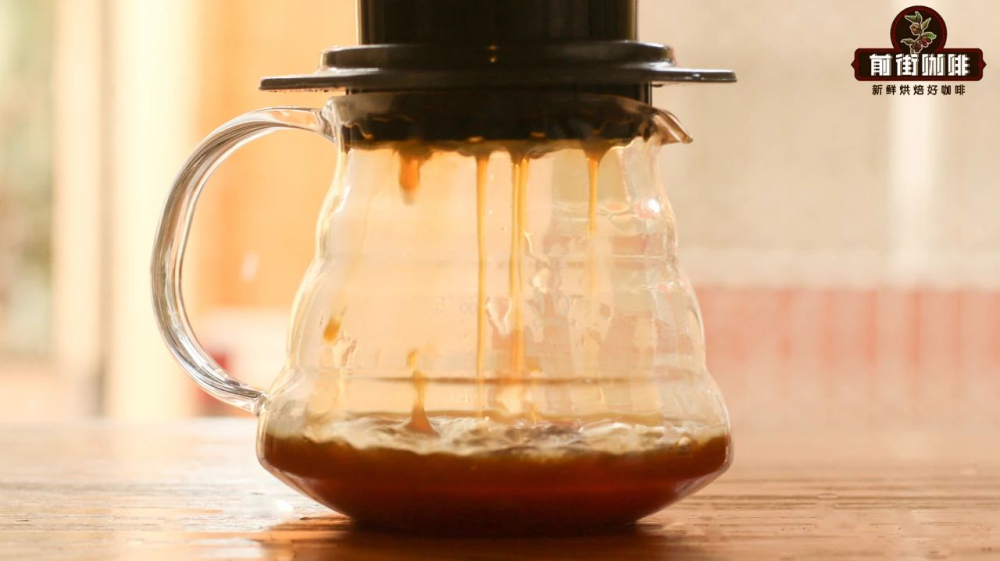
Among the many coffee brewing methods, the AeroPress holds a rather unique position. It doesn’t rely as heavily on the brewer’s technique stability as pour over does, nor does it demand the same level of equipment and skill as an espresso machine. For this reason, the AeroPress has become the first choice for many coffee beginners and everyday drinkers. However, to achieve ideal flavors with the AeroPress, there are still some key elements to master—especially when working with medium-to-dark roasted beans.
In terms of operational difficulty, the espresso machine is undoubtedly the most challenging, requiring not only familiarity with the machine’s performance but also stable control of pressure and temperature, which usually takes long-term practice to master. Pour over coffee emphasizes the stability of pouring, water flow control, timing, and the overall coordination of technique, which also requires a period of adjustment for beginners. In comparison, the AeroPress is not only easy to use but also provides relatively consistent extraction results, making it especially suitable for daily use.
When choosing coffee beans, the AeroPress typically excels at highlighting the characteristics of light-to-medium roasted beans, such as bright floral and fruity aromas and vibrant acidity. For example, certain brands’ Yirgacheffe Kochere (whether washed or natural), Kenyan coffee beans, Panamanian Geisha, and Costa Rican blackberry honey-processed beans are all excellent choices for the AeroPress. These beans often have distinct aromas and flexible acid-sweet balance, which can fully bring out the brewing strengths of the AeroPress.

However, if you prefer coffee that is bold, low in acidity, and features caramel and chocolate notes, medium-to-dark roasted beans such as Mandheling and Brazil’s Queen Estate are also well-suited for the AeroPress. In particular, Mandheling, with its unique herbal, earthy, and spicy aromas, becomes even more pronounced under medium-to-dark roasting. With the right extraction parameters adjusted, these qualities can also be highlighted through the AeroPress. In this case, it is recommended to selectAeroPress-compatible medium-to-dark roasted coffee beans, and adjust the grind size and water temperature accordingly.
In terms of grind size, if you’re using light or medium roasted beans, it’s recommended to adjust the grind to a level between pour over and espresso, slightly finer to help improve extraction efficiency and flavor expression. But for medium-to-dark roasted Mandheling, you can go slightly coarser to avoid over-extraction that could lead to bitterness. It’s recommended to fine-tune according to actual flavor performance to find the coarseness that best suits your taste.
Controlling extraction time is crucial for the AeroPress. Generally, the blooming phase is recommended to last20 to 30 seconds, allowing the hot water to fully saturate the coffee grounds and release their aromas. The subsequent pressing phase should be controlled between15 to 25 seconds, with the total extraction time ideally not exceeding two minutes. To improve extraction uniformity, you can pour water in two stages after blooming and incorporatethe cross-stirring method—stirring up, down, left, and right about three times each—helping the coffee grounds disperse evenly and avoiding channeling effects.
In terms of the coffee-to-water ratio, for a single cup, it’s recommended to use a1:15 ratio, such as using 12 to 15 grams of coffee grounds with 180 to 225 grams of hot water. For a double serving, you can adjust to a1:8 ratio, using 25 to 30 grams of coffee grounds and 200 to 240 grams of water, then adjusting the concentration further with additional water based on personal taste.
Finally, the starting water temperature for AeroPress extraction is recommended to be between80 to 90°C. For medium-to-dark roasted beans, excessively high water temperature can lead to over-extraction, resulting in burnt and bitter flavors. Therefore, it’s advised to use a slightly lower temperature than the standard pour over range to highlight the coffee’s body and sweetness while avoiding the release of undesirable flavors.
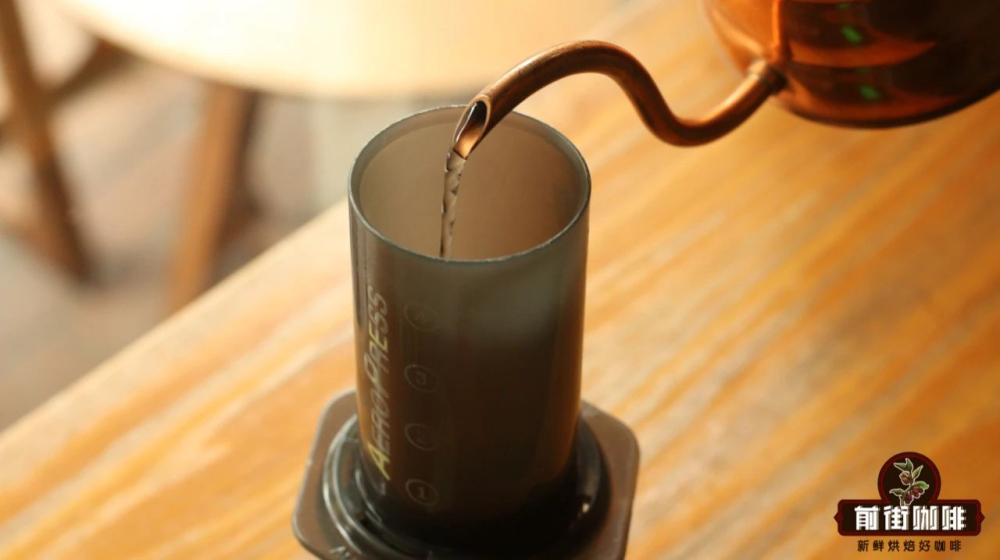
In summary, although the AeroPress has a low learning curve, brewing great medium-to-dark roasted beans like Mandheling still requires adjustments in grind size, water temperature, time, stirring, and coffee-to-water ratio. By mastering these key variables, you too can brew a cup of medium-to-dark roast coffee with balanced flavors and a rich body using the AeroPress, and enjoy the pleasure of precise home brewing.
The above content is compiled by CoffeeHunters, a coffee news website.


