







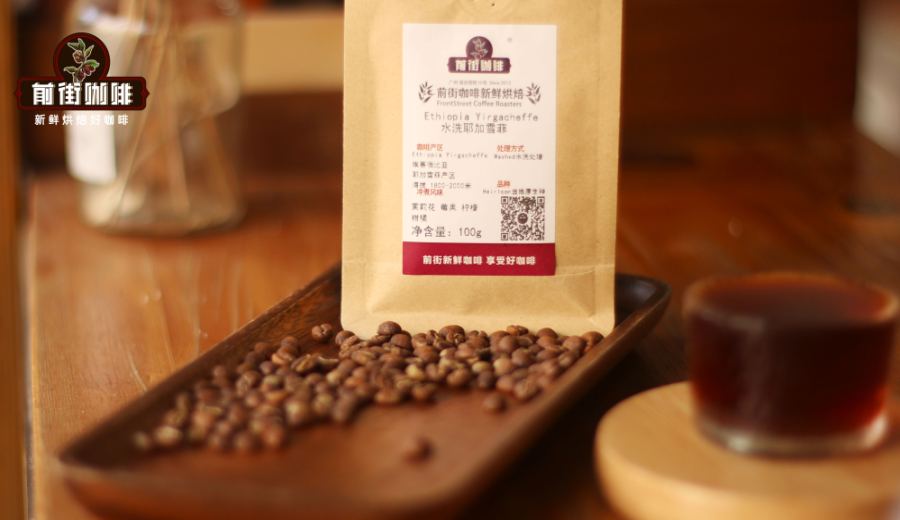
Introduction:Yirgacheffe Kochere is a well-known micro-region in Ethiopia, renowned for producing washed coffees with bright flavors and rich layers. This article delves into the geographic background, production model, and washed processing methods of the Kochere region, helping you understand the unique aromas and taste profiles of its Grade 1 coffee beans. It also provides practical V60 pour over parameters and steps to help you fully unlock the citrus, floral, and honey-like finish of this coffee.
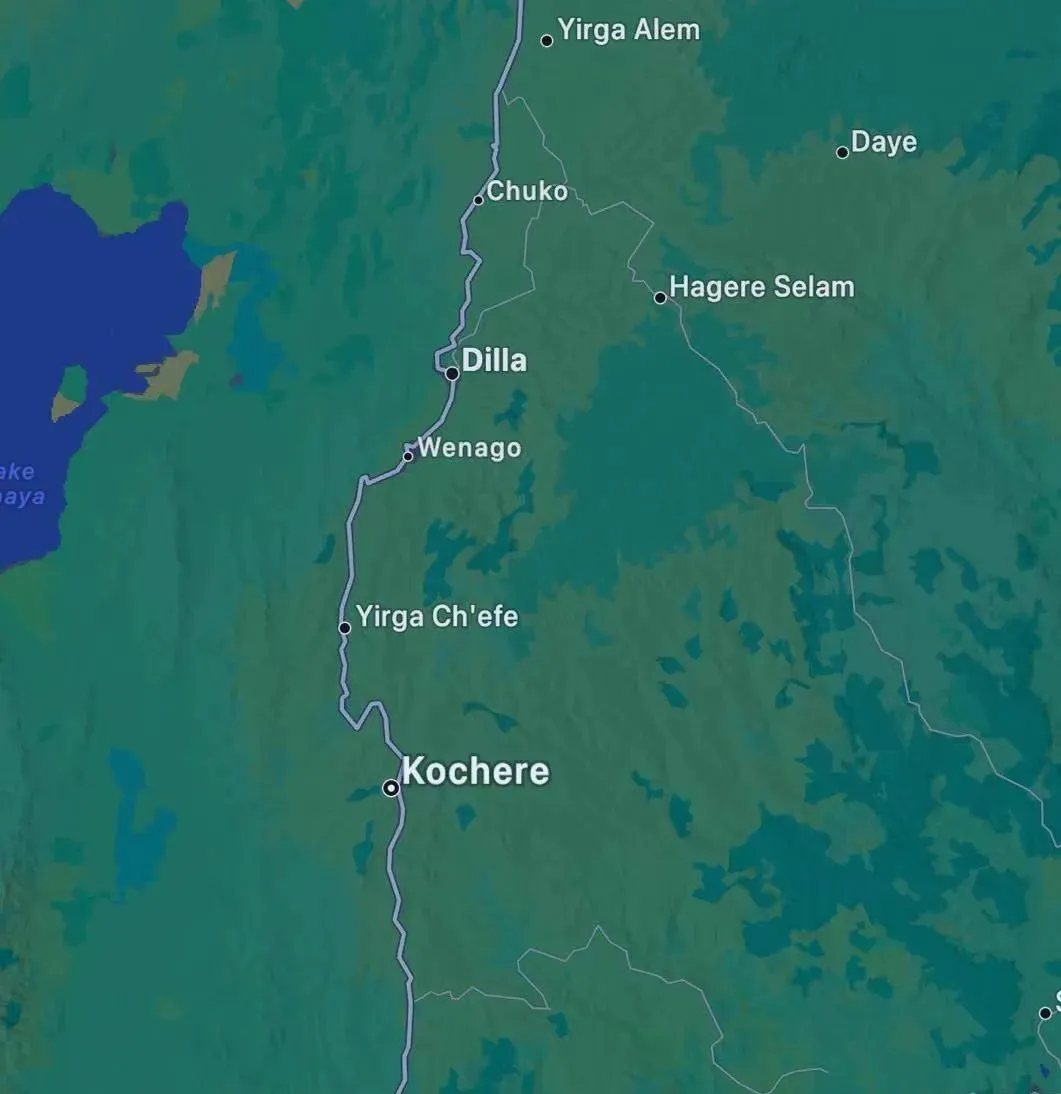
Yirgacheffe Kochere (Kochere) is located in the southern part of Ethiopia and is one of the most representative micro-regions within the larger Yirgacheffe area. Within the classification system of the Ethiopian Commodity Exchange (ECX), Kochere is recognized as an independent producing region, highlighting its distinctive status in terms of coffee quality and flavor. Nestled in the mountainous area approximately 25 kilometers southeast of Yirgacheffe, it sits at an altitude between 1650 and 1800 meters. The cool climate and significant day-night temperature variation provide an ideal growing environment for coffee trees, resulting in coffees known for their bright acidity, citrus notes, and silky sweetness.
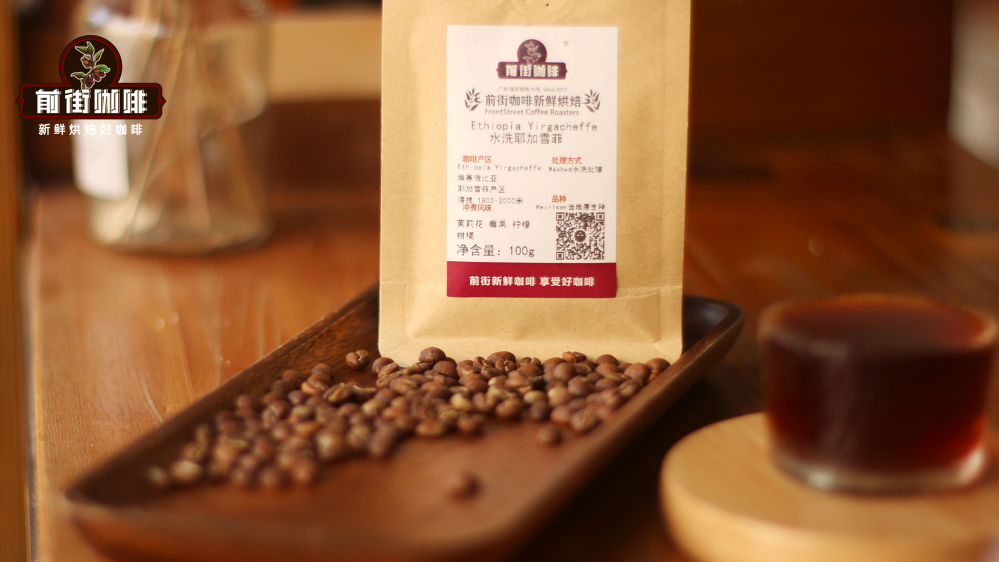
Although part of Yirgacheffe, Kochere is often discussed separately due to its distinctly consistent high quality. The region’s roughly 100,000 residents mostly rely on coffee farming as their primary source of income, with smallholder farming being the dominant model. Farmers deliver their harvests to cooperatives for unified processing, ensuring stable coffee quality and professional handling procedures. With advanced washed processing equipment, Kochere coffees excel in cleanliness and flavor complexity, once earning a remarkable score of 94 from the international coffee review website Coffee Review.

Yirgacheffe Kochere is not only a geographic micro-region but also falls under the Gediyo zone of the Southern Nations, Nationalities, and Peoples' Region (SNNPR), forming an important part of the Yirgacheffe coffee-growing area. Kochere can be further subdivided into multiple smaller micro-regions, with some lots even labeled by specific villages (such as Chelelektu or Teklu Dembel), processing stations (like the Alim Processing Station), or local area names (e.g., Banko Gutiti). This detailed classification enhances traceability and enables consumers to better understand the origin of the flavors. Typically, lots with higher traceability also demonstrate greater flavor consistency and market value.
In terms of production models, Kochere mainly relies on smallholders who deliver their coffee cherries to cooperatives for collective processing. For instance, Chalalacktu village, with a population of around 100,000 people, sustains itself through the coffee industry. The income generated not only supports household expenses but also promotes the development of local infrastructure, including healthcare and education. Thanks to modern processing facilities in the region and farmers’ focus on quality, washed coffees from here often exhibit complex flavors combining molasses and citrus, while maintaining exceptional cleanliness and aromatic expression.
The featured Yirgacheffe Kochere coffee belongs to the Grade 1 category, representing the highest-grade specification within the region. These coffee beans are cultivated from local native varieties, maturing slowly at high altitudes and accumulating a wealth of flavor compounds. During cupping, one often detects fresh lemon aroma, elegant jasmine floral notes, as well as subtle nuances such as cantaloupe, ginger, and spiced tea. The acidity is bright yet not overly sharp, with a sweet profile that is soft and layered—making it an excellent choice for in-depth tasting.
Kochere coffees commonly employ the traditional washed processing method (Washed Process). This technique requires a reliable supply of clean water and involves steps such as flotation to remove impurities, removal of the coffee pulp, fermentation to eliminate mucilage, multiple washes, and finally drying and hulling. Compared to the natural sun-dried method, washed processing effectively reduces the percentage of defective beans, enhancing the overall stability of green bean quality while imparting a cleaner acidity and a more pristine mouthfeel. As a result, washed Kochere coffees often showcase bright lemony acidity, delicate floral notes, and a sweet, tea-like finish.
Brewing this Yirgacheffe Kochere Grade 1 washed coffee using the V60 pour over method can fully highlight its bright acidity and rich layers. A medium-light roast is recommended to emphasize the bean’s vibrant flavor and fruity characteristics. Roasting can refer to the following parameters: using a Yangjia 800N roaster, with a charge weight of 550 grams, inlet temperature of 200°C, fan setting at 3, and heat at 160. As the beans dehydrate, gradually adjust the fan speed and heat. Continue development for 1’45” after the first crack begins (around 8’53”), and finally drop the beans at 195°C to preserve the optimal balance of acidity and sweetness.
For actual pour over brewing, it is recommended to use a V60 #01 filter cone, with water temperature controlled at 90–91°C, a coffee dose of 15 grams, and a brew ratio of 1:15. Grind size can be referenced as EK43s setting 10 (approximately equivalent to 80% passing through a #20 sieve, close to the coarseness of fine sugar). Begin by wetting the filter paper and preheating the equipment. The first pour is 30 grams of water for a 30-second bloom, followed by 95 grams of water (totaling about 125 grams). After about 1 minute, when the water level drops to two-thirds of the coffee bed, pour another 100 grams (totaling about 225 grams). The total brew time is approximately 2 minutes and 5 seconds. These parameters effectively bring out the coffee’s citrus, floral, and honey-like finish, delivering clear flavors and a long-lasting aftertaste.
In summary, the Yirgacheffe Kochere Grade 1 washed coffee stands out with its bright acidity, delicate fruit and floral aromas, and elegant sweetness, making it a classic favorite among many coffee enthusiasts. Whether enjoyed daily or as an entry point into exploring coffee terroirs, this premium micro-lot from Ethiopia offers a richly layered and unforgettable coffee experience. With the right brewing parameters and techniques, its full potential can be beautifully revealed.
The above content is compiled by CoffeeHunters, a coffee news website.


