








Introduction:While the world of Italian coffee may seem complex, they all stem from the same foundation — Espresso. This article takes you deep into the formulation logic, naming origins, and flavor profiles of classic drinks like lattes, cappuccinos, macchiatos, and mochas. Through practical extraction parameters, you’ll grasp the essence of brewing and be able to flexibly adjust according to your personal taste to find your perfect cup.
Walking into a café, the dizzying menu can often leave you undecided: latte, cappuccino, macchiato, mocha… What’s the difference between these Italian coffees? In fact, they all use espresso as the base, but by adjusting the proportions of milk, foam, hot water, or chocolate, they create distinctly different taste experiences. Starting with the extraction of espresso, this article will guide you step-by-step through the composition logic and naming origins of various classic Italian coffees, while comparing their subtle flavor differences. Not only that, it also shares practical extraction parameters to help you more flexibly brew a coffee tailored to your taste.

Many people feel puzzled when faced with the names of Italian coffees on café menus. In reality, the core of these drinks is espresso—the differences lie in the proportions and types of additives. Espresso itself is intense in flavor and strong in aroma, which might feel a bit overwhelming for first-timers. That’s why many variations have emerged, incorporating milk, foam, or hot water. Whether you prefer the smooth, milky taste of a latte or the bold coffee-forward profile of a cappuccino, understanding their basic makeup allows you to choose or customize your ideal cup more easily.
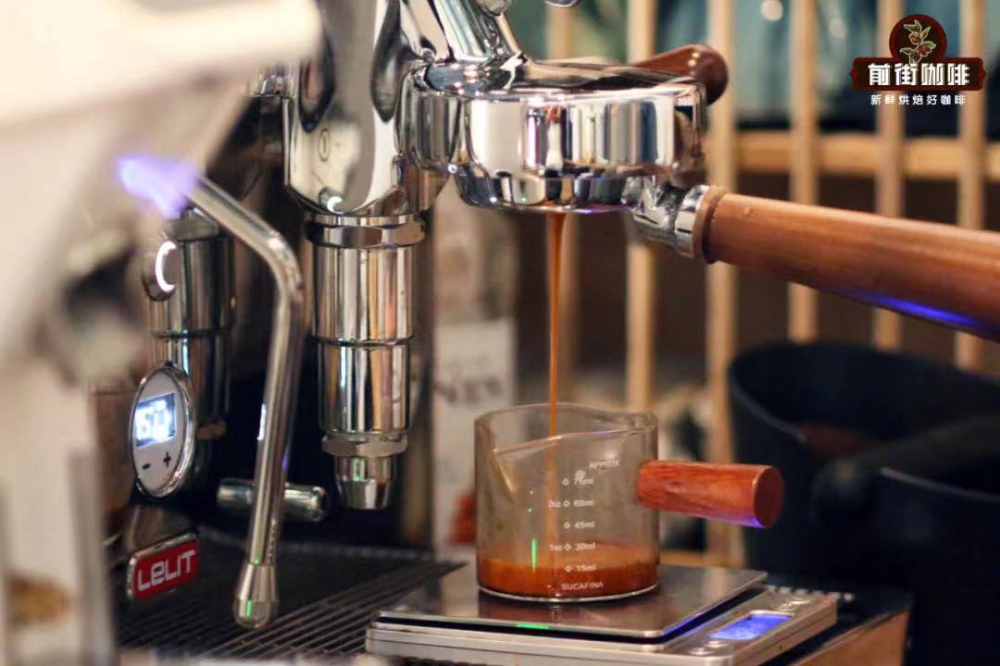
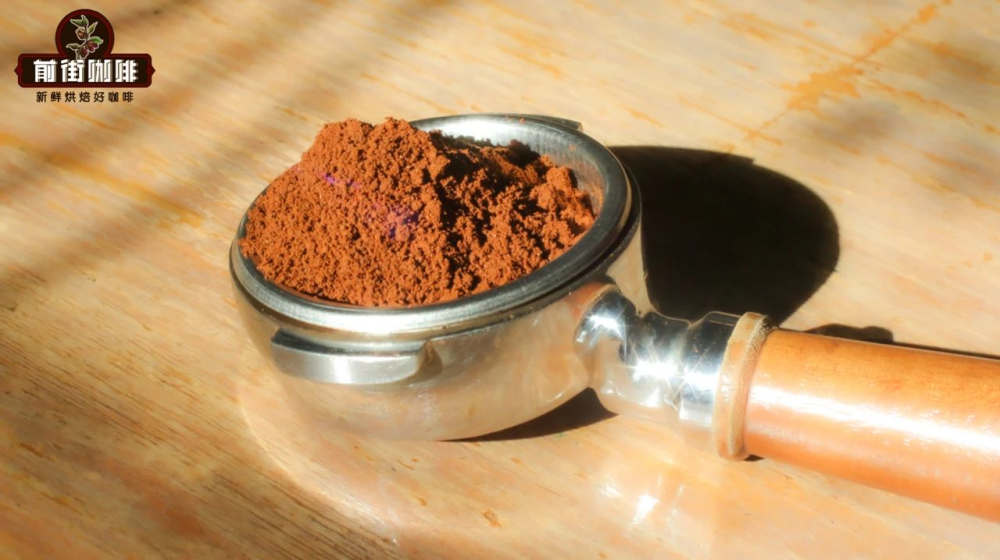
From a practical standpoint, using a medium-dark roasted blend when extracting espresso helps balance the flavor profile. For example, a blend consisting of 70% Honduran Sherry beans and 30% sun-dried Red Cherry beans, extracted with 20g of coffee grounds at an extremely fine grind, 94°C water temperature, 10 bar pressure, yielding 40g of espresso over 27 to 32 seconds, can produce layers of winey aroma, vanilla cream, berry acidity, and roasted nuttiness. This base, whether combined with hot milk, milk foam, hot water, or cold water, can showcase different characteristics: hot milk brings out a sweet berry milkshake-like flavor, cold milk emphasizes the berry acidity, hot water highlights the winey notes, and cold water accentuates the clarity of the acidity.
Latte (Caffe Latte), which in Italian means “coffee and milk,” is essentially espresso combined with a large amount of hot milk and milk foam. The standard ratio is 1/5 espresso, 2/5 hot milk, and 2/5 milk foam, with coffee and milk sharing the cup evenly to form a soft and balanced taste. It’s worth noting that in Italy, ordering just a “Latte” might get you a glass of plain milk—the correct order is “Caffe Latte.” Additionally, early Italian lattes rarely included foam; the widespread use of milk foam machines came later, influenced by American coffee culture in the 1950s and 60s. Today, the latte has become one of the most popular Italian coffees globally. Its charm lies in the harmony created by the blending of coffee and milk, making it ideal for those who enjoy milky flavors without wanting to mask the taste of the coffee itself.
In contrast, the cappuccino is a coffee-forward drink. Its name originates from the deep brown robes and white cowls worn by Capuchin monks in Italy, symbolizing the classic 1:1:1 ratio of espresso, hot milk, and thick foam. Cappuccinos have a higher proportion of espresso and thicker, fluffier foam. Common flavoring methods include sprinkling cocoa powder or cinnamon powder to add aromatic layers. This coffee puts the espresso flavor front and center, with milk and foam playing a supporting role—ideal for those seeking an intense coffee experience but still wanting a touch of creamy balance.
Mocha is the top choice for chocolate lovers. This drink draws inspiration from the coffee beans exported from Yemen’s Mocha port, which naturally carry chocolatey undertones. It evolved into a combination of espresso with hot chocolate and hot milk, in a ratio of 2/5 espresso, 2/5 hot chocolate, and 1/5 hot milk. For those who love both coffee and chocolate, mocha offers the perfect dual indulgence—sweet yet not cloying, with the aromas of coffee and chocolate complementing each other beautifully.
Macchiato is a minimalistic yet intense coffee. Its name in Italian means “stained” or “spotted”—aptly describing the practice of adding just a small dot of milk foam, usually just a few milliliters, atop a shot of espresso served in an espresso cup. This method ensures the coffee’s pure flavor remains largely undiluted, with just a hint of milky note from the tiny amount of foam. It’s perfect for those who seek the unadulterated taste of espresso. If made with a double shot of espresso (20g coffee grounds yielding 40g espresso, i.e., a double espresso), it’s called a Long Macchiato; if made with a single shot (10g coffee grounds yielding 20g espresso, i.e., a single espresso), it’s a Short Macchiato. The appeal of this coffee lies in the contrast between its bold flavor and the subtle touch of milk—truly worth savoring.
Caramel Macchiato is a creative variation of the macchiato. Built upon the macchiato base, it adds vanilla syrup and a generous drizzle of caramel sauce, and is served unstirred so each sip delivers a layered experience of coffee bitterness, vanilla fragrance, and caramel sweetness—rich and dramatically flavorful, perfect for those who enjoy dessert-like coffee drinks.
The story behind Americano has a touch of historical humor. During World War II, American soldiers visiting Italy found the local espresso too strong and diluted it with plenty of hot water themselves. The Italians jokingly called this “Americano,” meaning “the American way,” and it later became one of the globally recognized ways to prepare Italian coffee. Americano retains the aromatic core of espresso but offers a lighter, more refreshing taste—suitable for those who appreciate the essence of coffee but prefer something less intense.
It’s important to note that the ratios mentioned above are only guidelines. The boundary between lattes and cappuccinos is actually quite blurry—it’s essentially about flexibly adjusting the proportions of milk and foam based on the flavor expression of the espresso and personal preference. After familiarizing yourself with the basic recipes, it’s recommended to adapt flexibly according to the extraction conditions and aroma characteristics of your espresso to brew the cup that suits your taste best.
The above content is compiled by CoffeeHunters, a coffee news website.


