







Introduction:Delve into the evolution of coffee varieties in Yunnan, its terroir characteristics, and processing methods—from the widespread adoption of Catimor to the revival of Typica. This article analyzes the flavor profiles and suitable brewing techniques of these coffees. It also provides practical brewing parameters for both washed and natural processed beans, along with the flavor wheel of a renowned brand’s 2013 natural Typica, helping coffee enthusiasts find their own Yunnan daily drinker.
When it comes to Yunnan coffee, many people wonder: is it considered specialty coffee? The answer isn’t found in reviews, but in the cup. From its introduction over a century ago to today’s trials with diverse varieties, Yunnan’s coffee evolution is not just about increased yield, but a transformation in quality. This article will guide you through a comprehensive understanding of Yunnan’s coffee landscape from three perspectives: variety selection, growing environment, and post-harvest processing, while also analyzing the achievements of a well-known brand in the Lincang region.
Tracing back to the origins of Yunnan coffee, the earliest record dates to 1904 when French missionaries planted the first coffee trees, opening the chapter of coffee in this highland region. By the 1950s and 60s, to meet the demands of the Soviet Union and Eastern European markets, the Luguangba area established China’s first small-bean coffee production and export base. However, limited by processing technology, roasting capabilities, and farmers’ knowledge at the time, Yunnan coffee was long categorized as commercial grade, mainly supplying the instant coffee market and procured in bulk at low prices by international brands such as Nestlé and Starbucks.
A turning point came in 1988 when Nestlé officially invested in Yunnan’s coffee industry and established its Coffee Agriculture Department in 1992. This introduced international technologies and market mechanisms, guiding farmers in variety improvement and scientific cultivation. Around this time, the Catimor variety—introduced from Portugal, Costa Rica, and Thailand—gained rapid popularity in Luguangba due to its rust resistance and high yield. The planted area reached nearly 180,000 mu, making Catimor the dominant variety in Yunnan. In 1995, the Yunnan provincial government further boosted the industry by including coffee in the ‘18 Project’ for biological resources.
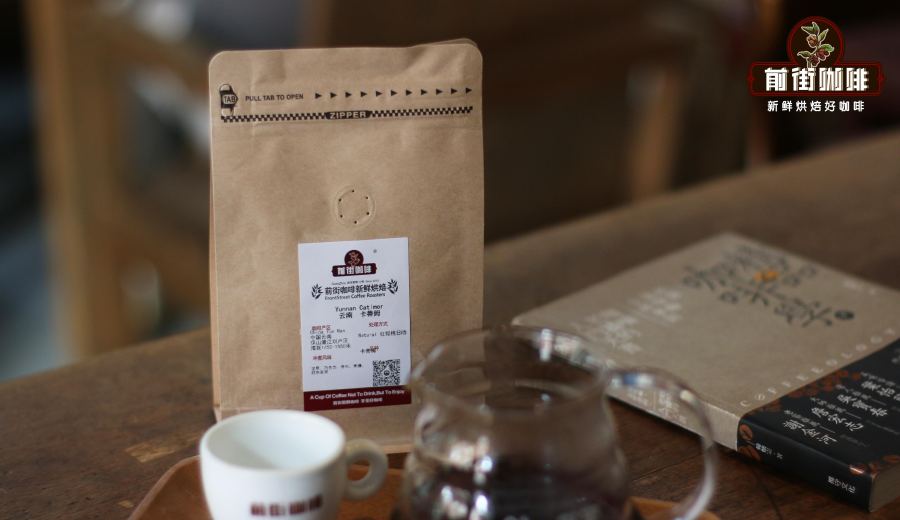
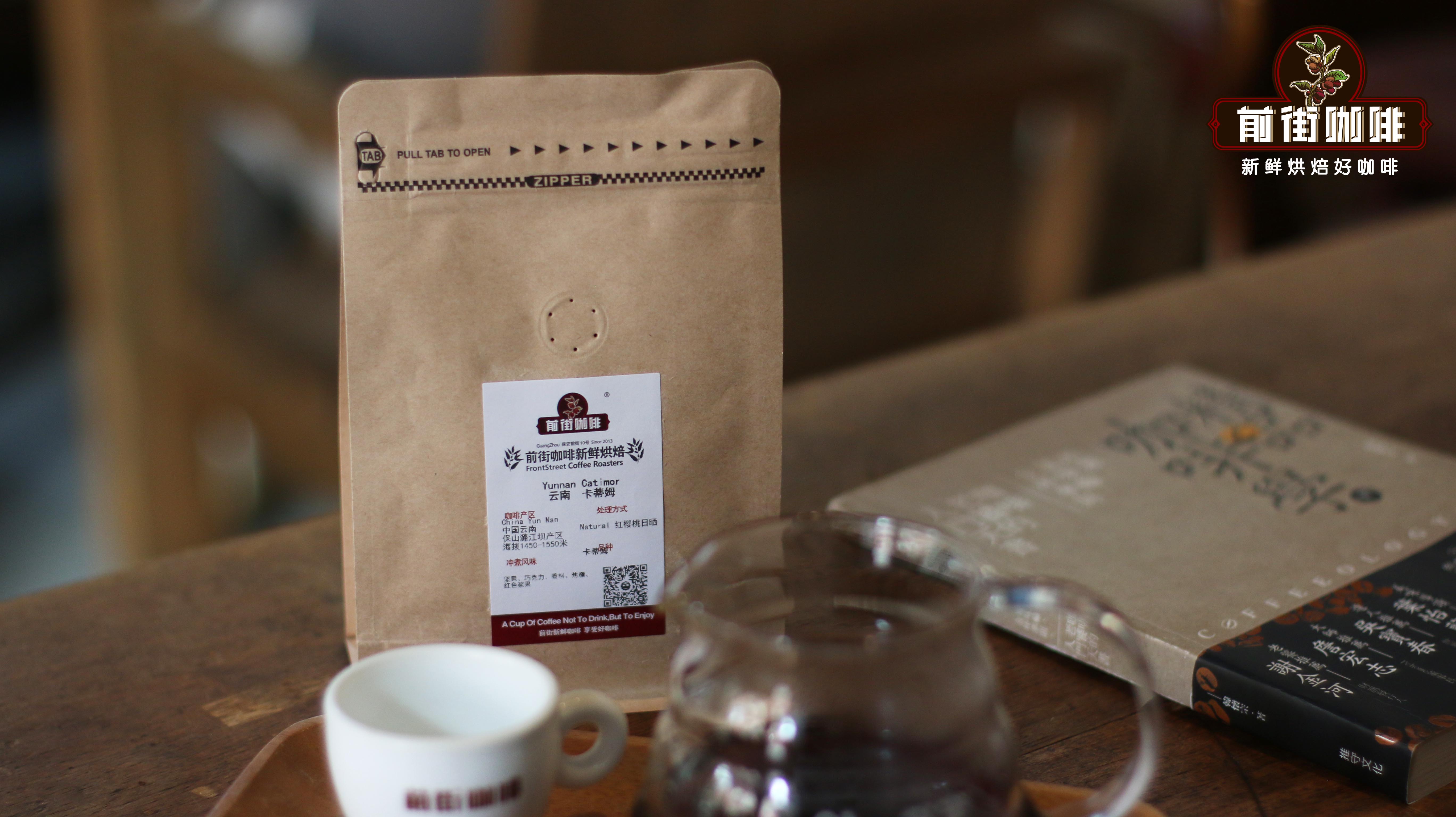
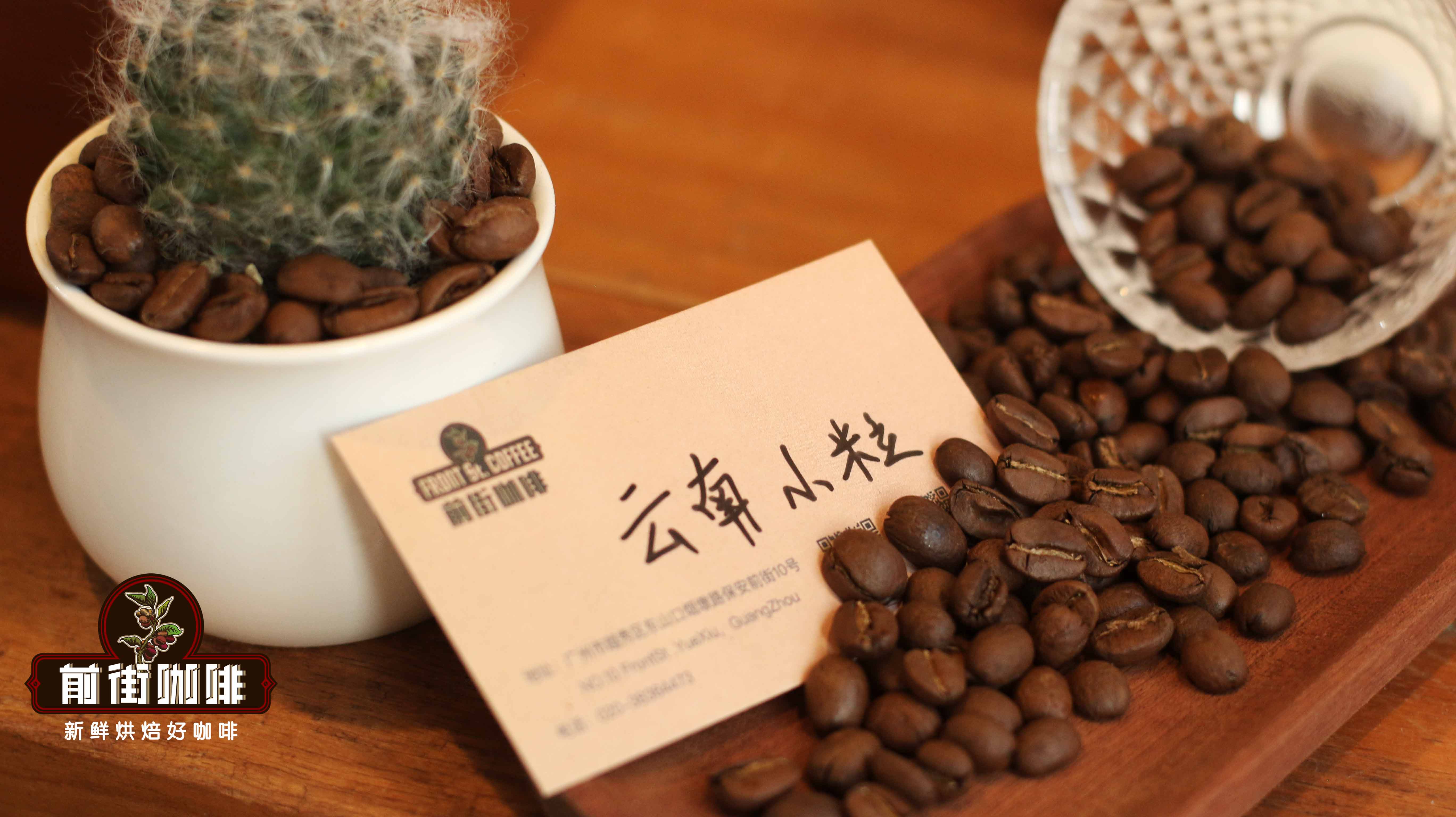
So, what exactly is Catimor? Catimor 7963 is a hybrid developed by the Portuguese Tropical Research Institute, combining the rust-resistant gene of Timor with the dwarf characteristics of Caturra. It offers stable yields and strong disease resistance. However, it’s worth noting that Catimor contains 1/4 Robusta lineage, which can result in bitter, earthy, or even ‘devil’s tail’ flavors if not finely processed. With advancements in processing techniques and varietal optimization, today’s Catimor can showcase more balanced flavors—such as nutty, chocolatey, and brown sugar base notes. For those new to Yunnan’s flavor profile, a washed, medium-roast bean like a certain well-known brand’s ‘Yunnan Small Bean’ is recommended, offering a stable and approachable taste.
Although Catimor currently accounts for over 90% of Yunnan’s coffee cultivation, its rust resistance gradually declines after 20–30 years of planting, making variety replacement a long-term challenge for the region. In fact, emerging varieties like Geisha have been trialed in Yunnan in search of richer flavor potential. As early as 2013, a renowned brand conducted variety experiments in Lincang, planting traditional Typica and a small amount of Bourbon to explore flavor possibilities in high-altitude environments. Though Typica offers elegant fruit acidity and delicate texture, it demands stringent growing conditions, is prone to disease, and yields less, requiring more intensive management. After seven years of effort, the brand finally harvested its first results in 2020, naming them ‘2013 Coffee’.
When discussing Yunnan coffee’s flavor, the market is not short of products that mask flaws with flavored processing—though aromatic, they often stray from the region’s essence. In reality, most Yunnan coffee farmers, limited by equipment and technique, still primarily use traditional washed and natural processing. Washed processing involves removing the pulp, fermenting the mucilage-covered beans in tanks where microbes break down the pulp, thoroughly washing them with clean water, and then sun-drying for 1–2 weeks. This method effectively reduces defect rates, improving cleanliness and stability, making base flavors like nuts and chocolate more pronounced.
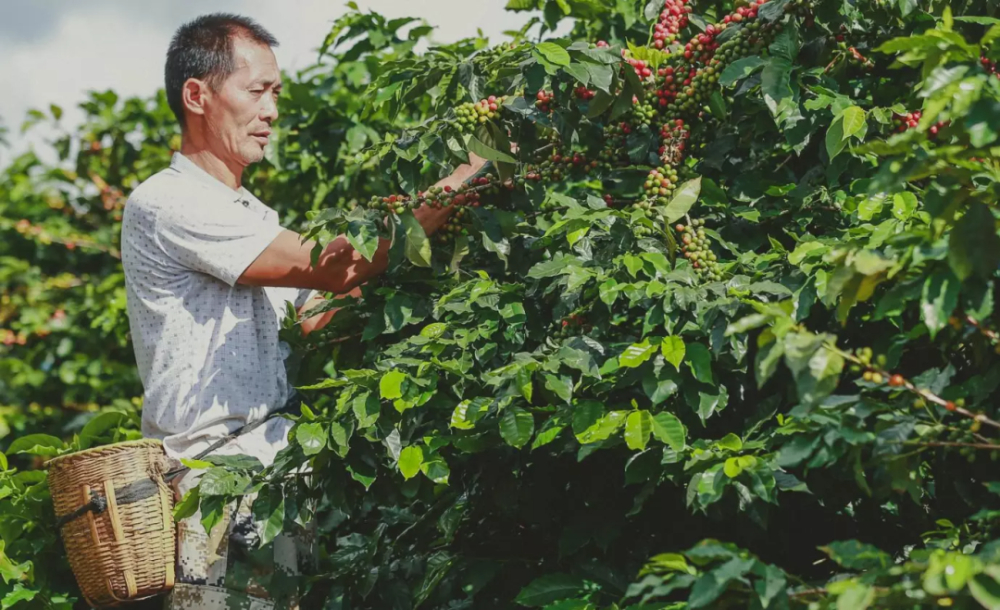
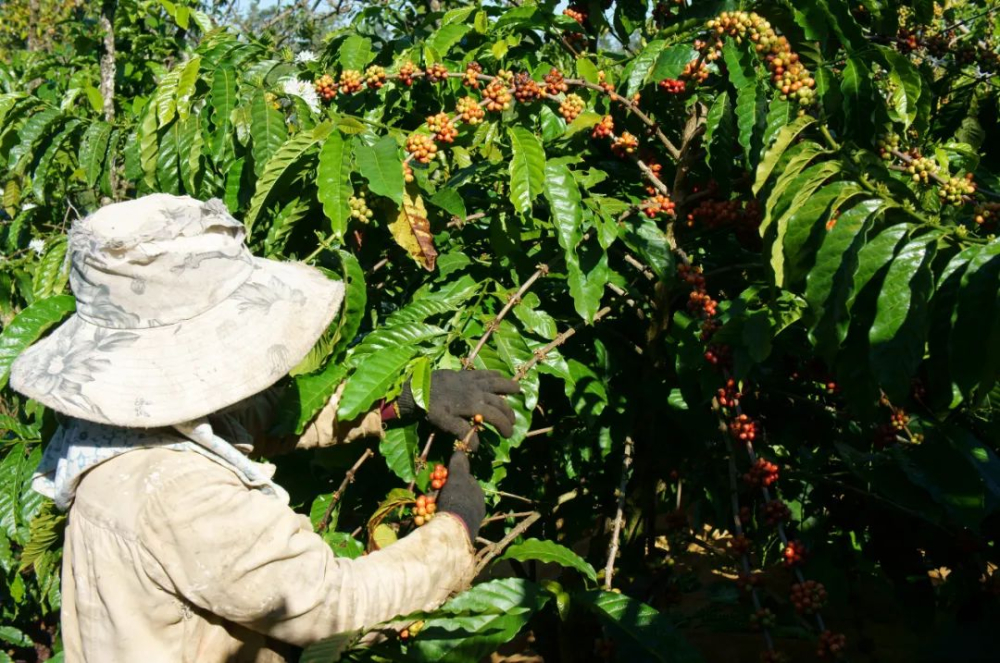
On the other hand, natural processing involves spreading whole coffee cherries directly under the sun, allowing natural dehydration to retain more fruit sugars and fermentation flavors. A certain well-known brand’s ‘2013 Natural Typica’ uses this method, sourced from high-altitude Typica grown on their own estate in Lincang. Handpicked and evenly turned, the coffee develops a richer sweetness and complex layers. Every November when the cherries ripen, farmers carefully select red cherries, spread them out, and closely monitor drying progress to ensure flavor concentration without over-fermentation.
Common flavor descriptions for Yunnan Small Bean include chocolate, sweet potato, and Chinese plum. In actual tasting, it often presents a neutral balance of sweet, sour, and bitter. A well-known brand’s ‘Yunnan Small Bean’ daily drinker, medium-roasted, highlights a base of nuts, herbs, and caramel paired with a subtle plum-like acidity, resulting in a clean and refreshing cup. Meanwhile, the ‘2013 Natural Typica’ reveals even more layered complexity: at higher temperatures, it exudes chocolate and berry aromas with a fermented sweetness; as it cools, plum acidity and the sweet finish of black tea and sugarcane emerge, with a medium-to-high body and a three-dimensional, dynamic flavor profile.
For pour-over enthusiasts, here are practical brewing parameters for two Yunnan beans: a certain well-known brand’s ‘Yunnan Small Bean’ is recommended using a Hario V60 filter, 15g coffee, 90°C water temperature, 20-mesh sieve 75% extraction, and a 1:15 coffee-to-water ratio. Use a three-stage pour: start with a bloom of double the coffee weight (about 30g) for 30 seconds, then pour in small circles from the center out to 125g, wait until the bed drops mid-way, then continue to 225g total. Total brew time is around 2 minutes. This method fully highlights its nutty and chocolatey core while maintaining a good sweet-acid balance.
In summary, Yunnan coffee’s journey—from its early days as a commercial bean to today’s pursuit of diverse varieties and refined processing—has gradually revealed its potential as a specialty origin. Whether you’re a beginner or a daily drinker looking for a reliable cup, understanding variety traits and processing differences will help you choose the perfect Yunnan flavor for your palate.
The above content is compiled by CoffeeHunters, a coffee news website.


