







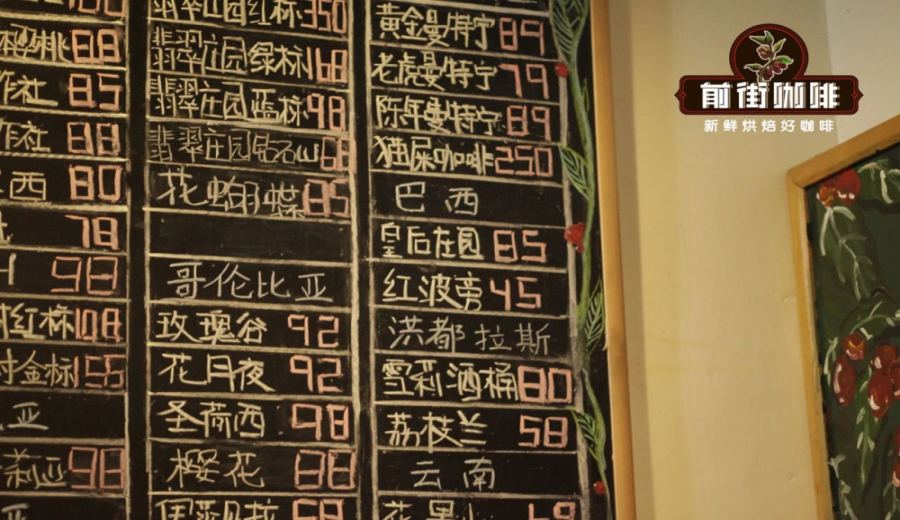
Introduction:Although not part of the auction series, Panama Geisha Green Label from Hacienda La Esmeralda has become a top choice for many coffee enthusiasts thanks to its consistently high-altitude flavors and relatively accessible price point. This article delves into the growing region background, grading logic, washed processing method of the Green Label Geisha, and details its flavor profile along with optimal pour over brewing parameters to help you better appreciate the charm of this classic bean.
In the world of specialty coffee, Geisha from Panama’s Hacienda La Esmeralda has long been one of the most celebrated star varieties. Since winning first place in the Best of Panama competition in 2004, this high-altitude coffee variety has rapidly risen to fame—not only putting Geisha on the map but also prompting the estate to establish a rigorous grading system. Among them, the Green Label Geisha, though not included in the auction lineup, stands out with its beans sourced from elevations between 1600 to 1800 meters and a washed process that delivers bright, refreshing flavors, making it a favorite among coffee drinkers worldwide.
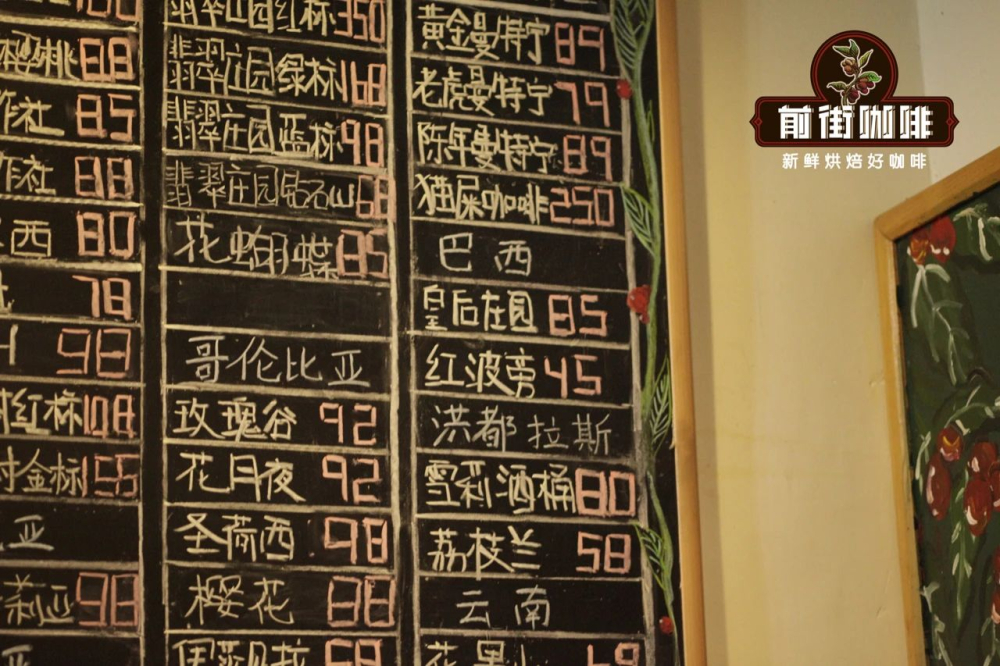
The Geisha variety at Hacienda La Esmeralda was first discovered in the Jaramillo plot, which is not only the birthplace of Geisha but also, thanks to its high altitude and cool climate, an ideal environment for nurturing the variety’s unique aromatic profile. The entire estate is mainly divided into three major growing regions: Cañas Verdes, Jaramillo, and El Velo (Veil), each further segmented into smaller cultivation units to ensure that every batch of coffee can be traced back to a specific planting location. Among them, Jaramillo is even subdivided into five smaller plots: Mario, Noria, Reina, Bosque, and Buenos Aires, with some sections having previously excelled in international competitions.
Officially named PRIVATE COLLECTION, the Green Label Geisha primarily uses coffee cherries sourced from the Jaramillo and Cañas Verdes plots, grown at elevations between 1600 and 1800 meters. Although it does not publicly indicate specific regions, its stable quality and classic high-altitude flavors have made it a long-term favorite among many coffee shops and home brewers. This bean does not participate in auctions, so its price is relatively more affordable, yet it doesn’t compromise on the refined characteristics that Geisha is known for.

In terms of processing, the Green Label Geisha employs traditional washed processing, which effectively highlights the coffee’s acidity and clarity while preserving delicate floral and fruity notes. After harvest, the coffee cherries undergo flotation to remove underripe, low-density fruit, ensuring that only the highest-quality beans proceed to subsequent processing. Then, the depulped seeds are fermented to remove the mucilage, followed by washing and sun drying until the moisture content is reduced to around 11%, stabilizing the beans and preserving their optimal flavors.
After acquiring this Green Label Geisha, it is recommended to opt for a light roast to preserve its innate floral and fruity notes, as well as the vibrant acidity brought by the high altitude. During cupping, one often detects bright lemon and berry aromas, complemented by subtle hints of pomelo and Tieguanyin tea, resulting in a clear and layered flavor profile. This expression is directly linked to the cleanliness and acidity enhanced by the washed processing method.
To fully showcase the delicate flavors of the Green Label Geisha, setting the right pour over parameters is especially crucial. It is recommended to use a V60 filter cone, whose unique spiral ridges and large central hole are designed to extend the contact time between water and coffee grounds while maintaining a stable flow rate, aiding in the full extraction of aromatic compounds from the beans. Use water at 91-92°C,a 1:16 coffee-to-water ratio, anda grind size similar to fine sugar (approximately 80% through a #20 sieve)to balance acidity, sweetness, and body, showcasing the most complete spectrum of Geisha flavors.

During actual pouring, it is suggested to use a three-stage extraction method: First, place 15 grams of coffee groundsinto the filter cone, then pour 30 grams of water for a 30-second bloom, ensuring all coffee grounds are evenly saturated during this stage. Next, in the second stage, pour a slightly larger stream of 120 grams of water, bringing the total to 150 grams, taking approximately 55 secondsto lift the coffee bed and promote even extraction. In the final stage, slowly pour 90 grams of waterusing a small stream, bringing the total brew volume to 240 grams, with the overall extraction time controlled around 2 minutes and 10 secondsto achieve the best flavor balance.
The characteristics of the V60 filter cone play an important role in this process—its large central hole and spiral ridges help minimize channeling, allowing water to evenly penetrate the coffee bed and avoid over-extraction or uneven brewing. Additionally, appropriately increasing the water temperature and adjusting the grind fineness also help bring out the Green Label Geisha’s subtle citrus tones and tea-like aftertaste, delivering a more dimensional mouthfeel.
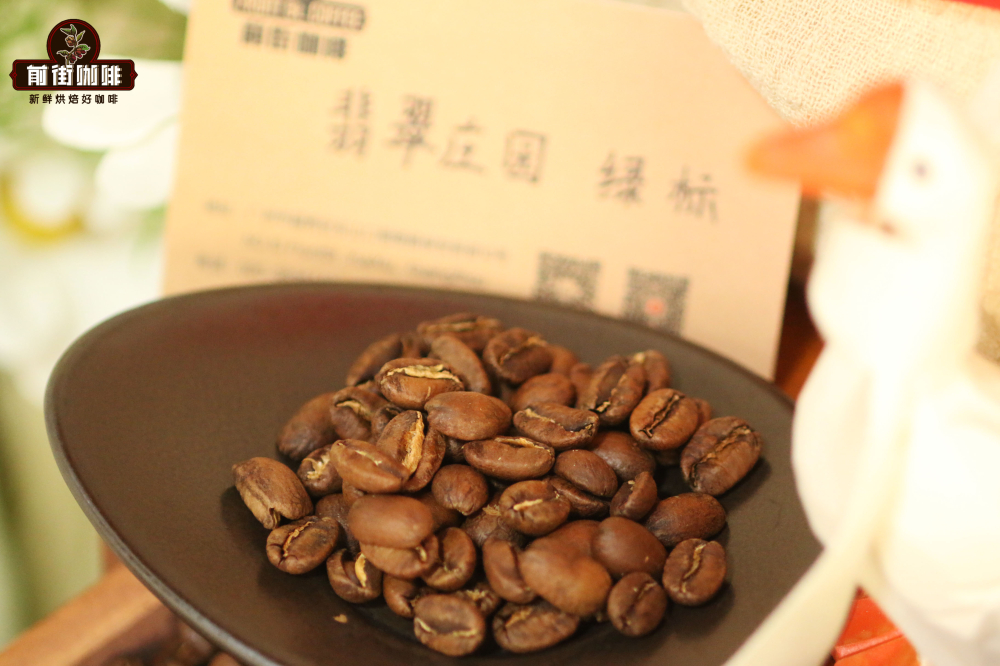
In summary, the Panama Hacienda La Esmeralda Green Label Geisha is a specialty coffee bean that combines stable quality with classic flavors. Whether as a daily brew or an entry point for exploring the flavors of Geisha, it offers bright and lively acidity, distinct floral and fruity aromas, and a memorable aftertaste. With the right roast level and precise pour over parameters, you’ll be able to fully experience the charm of this classic bean.
The above content is compiled by CoffeeHunters, a coffee news website.


